
The Tourism Disparity Matrix
The landscape of tourism in Jammu and Kashmir is deeply fractured. While certain global "hotspots" suffer under the weight of hyper-commercialized development, vast stretches of the region remain neglected with zero infrastructure. Between these extremes are pristine spaces that risk being destroyed if unregulated tourism expands.
High Funding & Overdeveloped
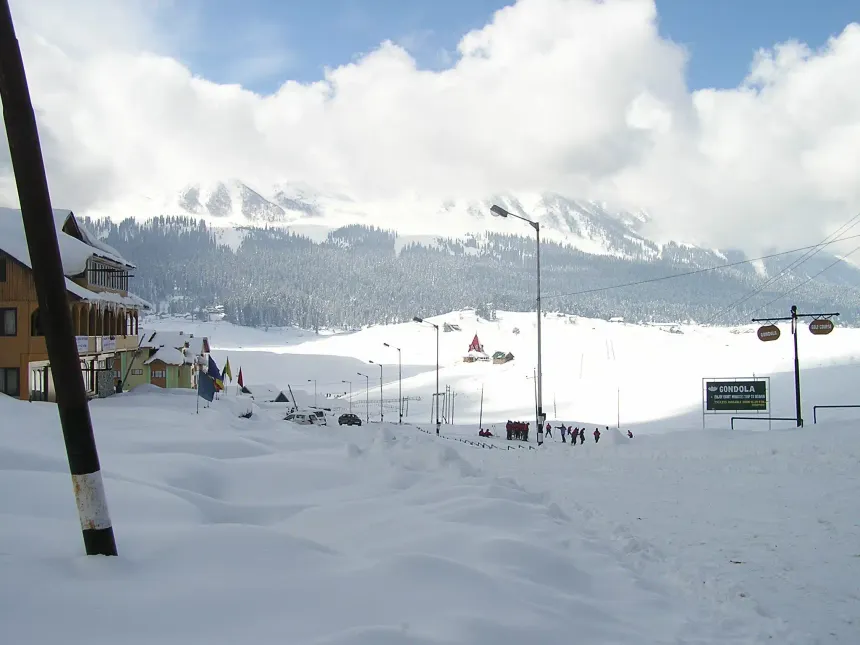
Hotspots: Srinagar (Dal Lake), Gulmarg, Pahalgam, Sonamarg, Katra
- Over 2.36 Crore annual arrivals straining municipal infrastructure.
- Heavy concrete encroachment, major plastic crisis, and glacier recession.
Zero Funding & Neglected
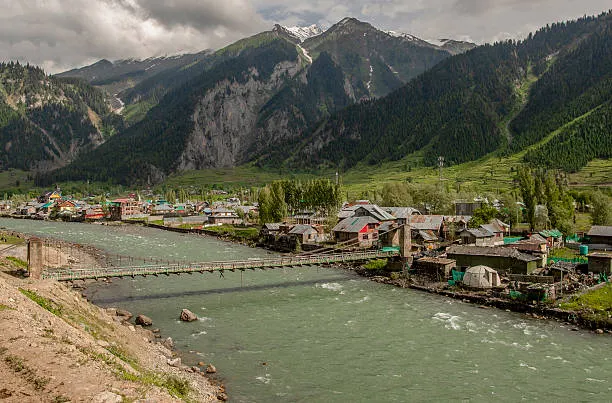
Forgotten Areas: Kishtwar, Poonch, Rajouri, Kupwara Borders, Basohli, Gurez
- Rich natural heritage but lacks basic motorable roads, sanitation, and guest houses.
- Forces local youths to migrate due to a lack of local livelihood opportunities.
Category 1: The Hyper-Developed "Cash Cows"
These areas receive the maximum share of government funding and private capital. However, this aggressive development has outpaced the land's ecological carrying capacity:
Gulmarg (The Crown Jewel)
Development Realities: Beneficiary of multi-crore infrastructure pushes, including a ₹152-crore road project and winter sport upgrades. The famous Gulmarg Gondola draws up to 7.6 Lakh visitors annually.
The Local Reality: Massive concrete encroachment onto alpine meadows. Due to a total lack of structured recycling facilities, authorities burn over 2,000 kg of tourist waste and plastic daily right next to the ski resorts, degrading pristine air quality.
Pahalgam (The Watershed Corridor)
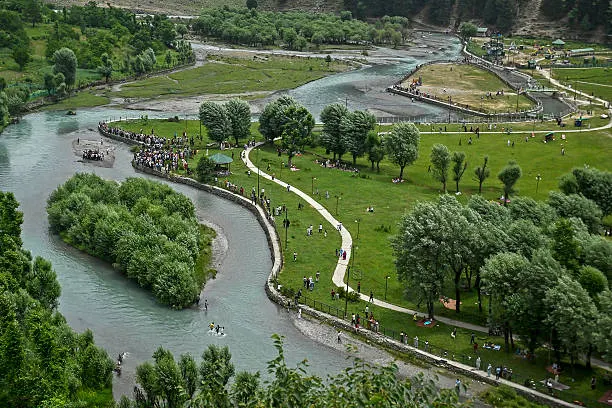
Development Realities: Receives aggressive allocations under the central Swadesh Darshan Scheme for tourist pathways, parks, and riverside viewpoints.
The Local Reality: During the peak season and the Amarnath Yatra, tourist footfall shoots up to four times the maximum carrying capacity of the valley. This has caused rapid deforestation and accelerated the melting of the nearby Kolahoi Glacier, which feeds the vital Lidder River.
Srinagar (Dal Lake Hub)
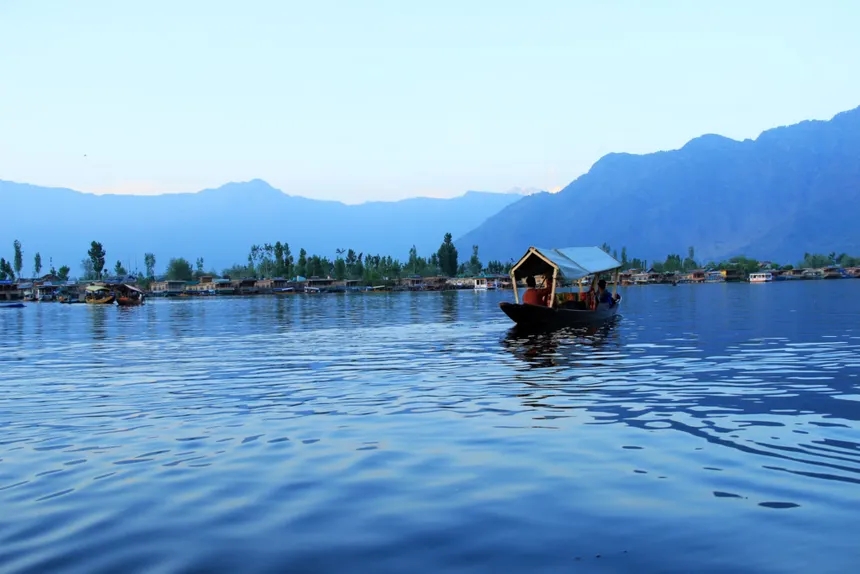
Development Realities: Transformed by "Smart City" funds, featuring neon-lit riverfronts, pedestrian walkways, and sound-and-light shows.
The Local Reality: The interior of Dal Lake faces severe ecological distress. Untreated raw sewage from commercial luxury hotels on the banks and hundreds of unregulated houseboats is dumped directly into the lake, triggering massive eutrophication and weed overgrowth.
Category 2: The Zero-Development Zones
While popular valley hubs choke on crowds, these structurally isolated districts possess massive tourism potential but receive almost zero ground-level execution, leaving local populations economically marginalized:
Kishtwar District (The Sapphire & Alpine Valley)
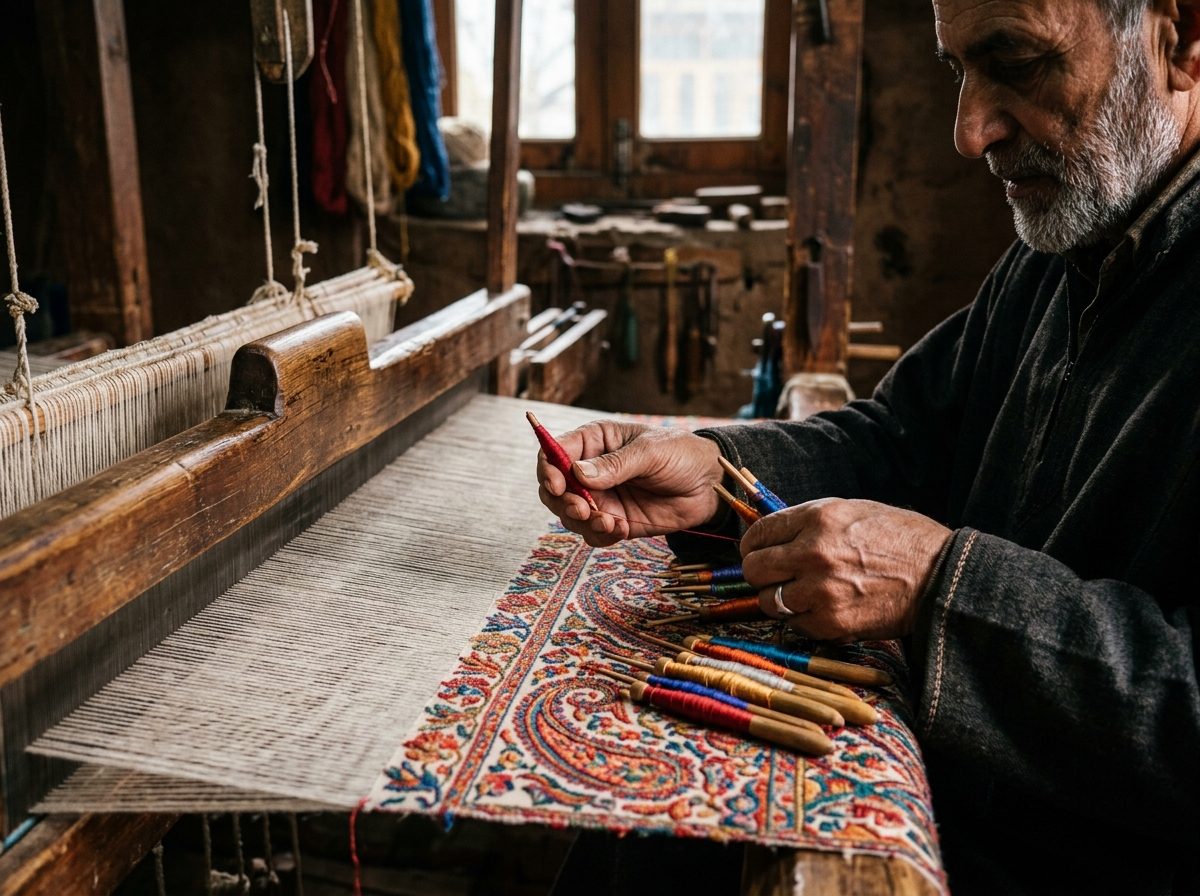
Home to stunning high-altitude blue sapphire mines and dense pine tracks. Despite immense potential for mountaineering, it suffers from poor road connectivity, zero structured tourist guest houses, and an absent hospitality economy.
Poonch & Rajouri (The Pir Panjal Circuit)
Beautiful historic spots like the Noori Chamb waterfall and high-altitude lakes are mostly ignored by mainstream tourism operators. The region lacks reliable electricity, wayside public amenities, or a digital footprint to attract travelers.
Basohli (The Water Sports Frontier)
Located on the massive Ranjit Sagar Dam reservoir, it was touted to become the "Goa of North India" with water sports funding. In reality, apart from a few boating points, there is zero luxury stay infrastructure, forcing visitors to leave within hours, which limits local income generation.
Category 3: The "Hidden Treasures" Facing an Identity Crisis
As the government promotes "Border Tourism" and offbeat escapes to ease the burden on Gulmarg, these hidden spots sit on a dangerous edge between untouched beauty and sudden, commercialization:
Gurez Valley
Botapathri
Chatpal
Local Voice: Share Your Ground-Level Account
Are you a resident, tour operator, or environmentalist in J&K? Share your first-hand experience regarding tourism infrastructure, environmental impact, or resource allocation in your town.
Recent Accounts from the Ground
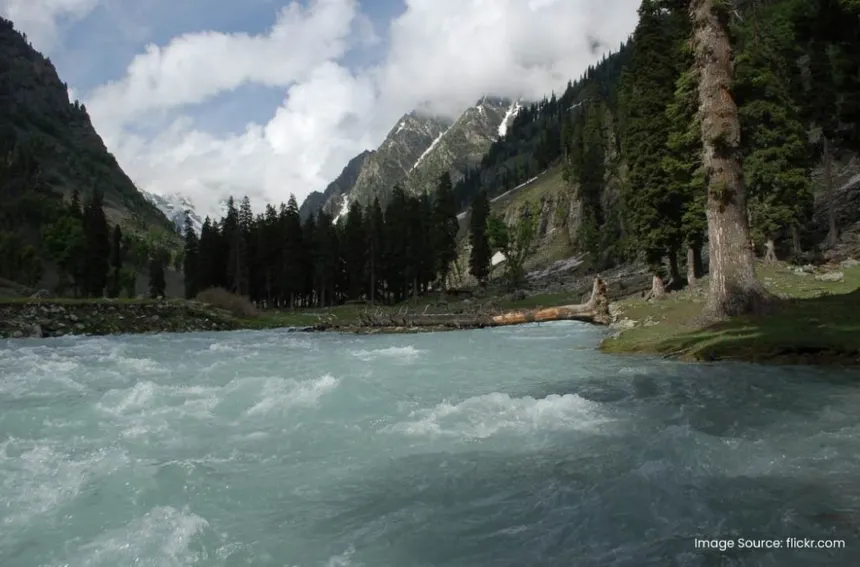
"In Sonamarg, we have massive diesel traffic jams every weekend. The black exhaust dust can be seen settling on the glacier path. We need carrying capacity caps now."
"Poonch has beautiful historic waterfalls, but we don't even have proper public toilets or signboards for tourists. All the funding goes to Gulmarg while our youth face unemployment."
Frequently Asked Questions & Critical Insights
Why does tourism footfall in Jammu & Kashmir concentrate heavily in specific corridors?
Over 80% of tourist footfall historically concentrates along the Katra-Vaishno Devi pilgrimage corridor and the Srinagar-Gulmarg-Pahalgam resort triangle due to established hospitality infrastructure, direct highway/air transit, and well-promoted circuits, leaving high-potential alpine areas like Gurez, Kishtwar, Warwan, and Bungus Valley under-visited.
What structural interventions are planned to distribute tourism revenue across offbeat circuits?
Policy initiatives focus on developing homestay infrastructure under rural tourism schemes, improving all-weather connectivity via new tunnels and the USBRL railway link, and promoting border tourism along Teetwal, Keran, and Suchetgarh.