
✍️ By J&K Administrative Archive Editorial Desk | 📅 Last reviewed: 01 September 2026

Democracy in the Highlands: Governance, Representation, and Institutional Evolution in J&K

Overview

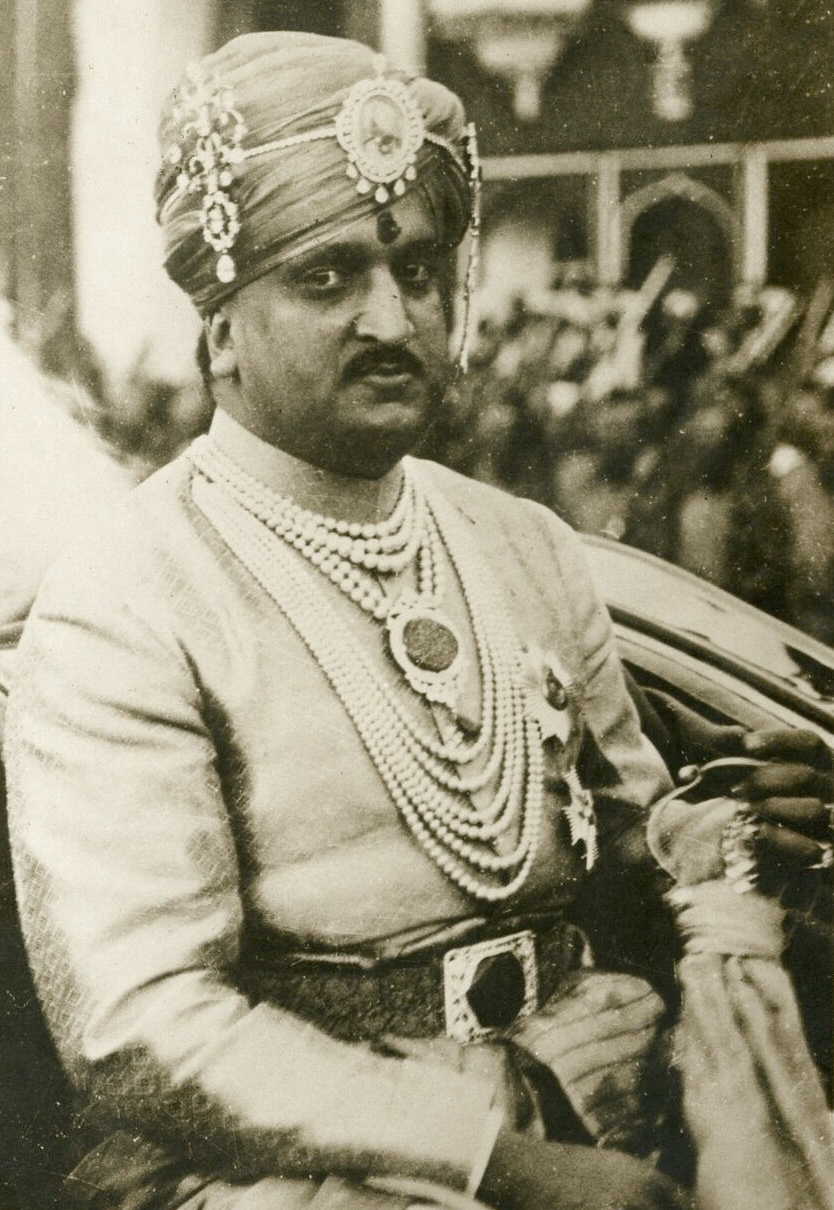
Maharaja Hari Singh (1895–1961) 📷 Maharaja Hari Singh (1895–1961)
Last ruling Maharaja of J&K who signed the 1947 Instrument of Accession.

This analysis synthesises historical facts and constitutional developments to explain how princely rule (the Dogra/Rajput lineage), the Instrument of Accession, and Article 370 are interrelated in Jammu & Kashmir's political evolution. Each section is cross-referenced with primary sources available on the Resources page.

1. Historical Foundations — Dogra Rule & Rajput Identity
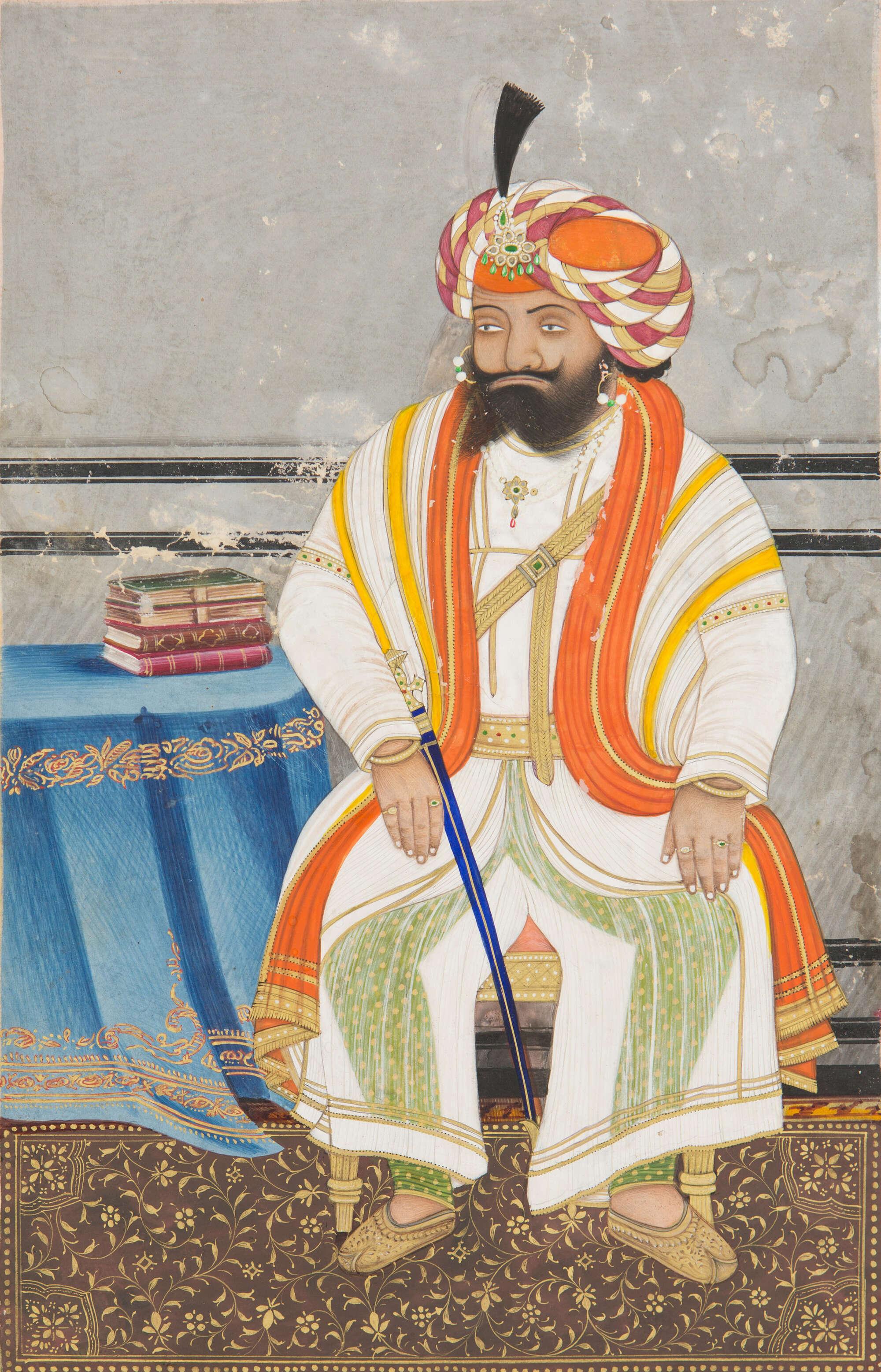
Maharaja Gulab Singh (1792–1857) 📷 Maharaja Gulab Singh (1792–1857)
Visionary founder of Jammu & Kashmir and legendary Dogra dynasty monarch.

Loading Dogra dynasty extract…

The Dogra dynasty consolidated Jammu and surrounding hill states during the 19th century. Gulab Singh's accession after the Anglo-Sikh Wars and the Treaty of Amritsar (1846) created the large princely state whose institutions and administrative culture continued into the 20th century.

Rajput Networks and Political Life

Loading Rajputana extract…

The Dogra rulers were part of broader Rajput political networks — Rajput identity, martial culture, and kinship systems influenced how the state was administered and how it related to neighbouring regions and the British Raj. See the Rajputana page for further historical context.

2. 1947 — Accession and a Distinct Legal Position

Loading Hari Singh extract…

The Instrument of Accession signed by Maharaja Hari Singh in October 1947 transferred defence, external affairs and communications to the Dominion of India while leaving other powers with the state — a legal compromise central to later constitutional arrangements.

— Primary instrument excerpt summary. Consult Resources for the full text.

Why the Accession Created Constitutional Ambiguity

Maharaja Hari Singh (1895–1961) 📷 Maharaja Hari Singh (1895–1961)
Last ruling Maharaja of J&K who signed the 1947 Instrument of Accession.

The Instrument of Accession was narrower than most: only three subjects (defence, external affairs, communications) were transferred. This limited scope — and Pakistan's immediate challenge to the accession's legitimacy — created an unusual constitutional situation that Article 370 was designed to address.

3. Article 370 — Constitutional Recognition of Difference

Loading Article 370 extract…

Article 370 functioned as a constitutional recognition of Jammu and Kashmir's distinct status, permitting the state to have its own constitution and internal autonomy. Its practical effect and the legal mechanisms around it were the subject of debate and litigation for seven decades.

Constitutional Mechanics

1949

Mechanism
Article 370 inserted (Part XXI)
Outcome
J&K given special status, temporary provision

1954

Mechanism
Presidential Order (based on CA recommendation)
Outcome
Applied limited central laws to J&K

1956–57

Mechanism
J&K Constituent Assembly adopts state Constitution
Outcome
Assembly dissolved without recommending abrogation — article became de facto permanent

1965

Mechanism
6th Amendment of J&K Constitution
Outcome
Abolished title of Prime Minister (Wazir-e-Azam) → Chief Minister (Wazir-e-Ala); Sadar-i-Riyasat → Governor

2019 (Aug)

Mechanism
New Presidential Orders; parliamentary resolutions
Outcome
All central laws extended; Article 370 rendered inoperative

2019 (Oct)

Mechanism
Reorganisation Act
Outcome
State bifurcated into 2 UTs

2023 (Dec)

Mechanism
Supreme Court 5-judge bench verdict
Outcome
Abrogation upheld as constitutionally valid

4. Recent Legal and Political Changes (2019–2026)

Leadership & Legislative Governance 📷 Leadership & Legislative Governance
Elected governance and administrative reforms in Jammu & Kashmir.

Since 31 October 2019, Jammu and Kashmir has been administered as a Union Territory with a legislature. This structure has redefined state-center relations and created distinct political challenges, especially following the 2024 elections and the return of an elected regional cabinet under Chief Minister Omar Abdullah in 2026.

5. Democratic Representation & Statehood Roadmap
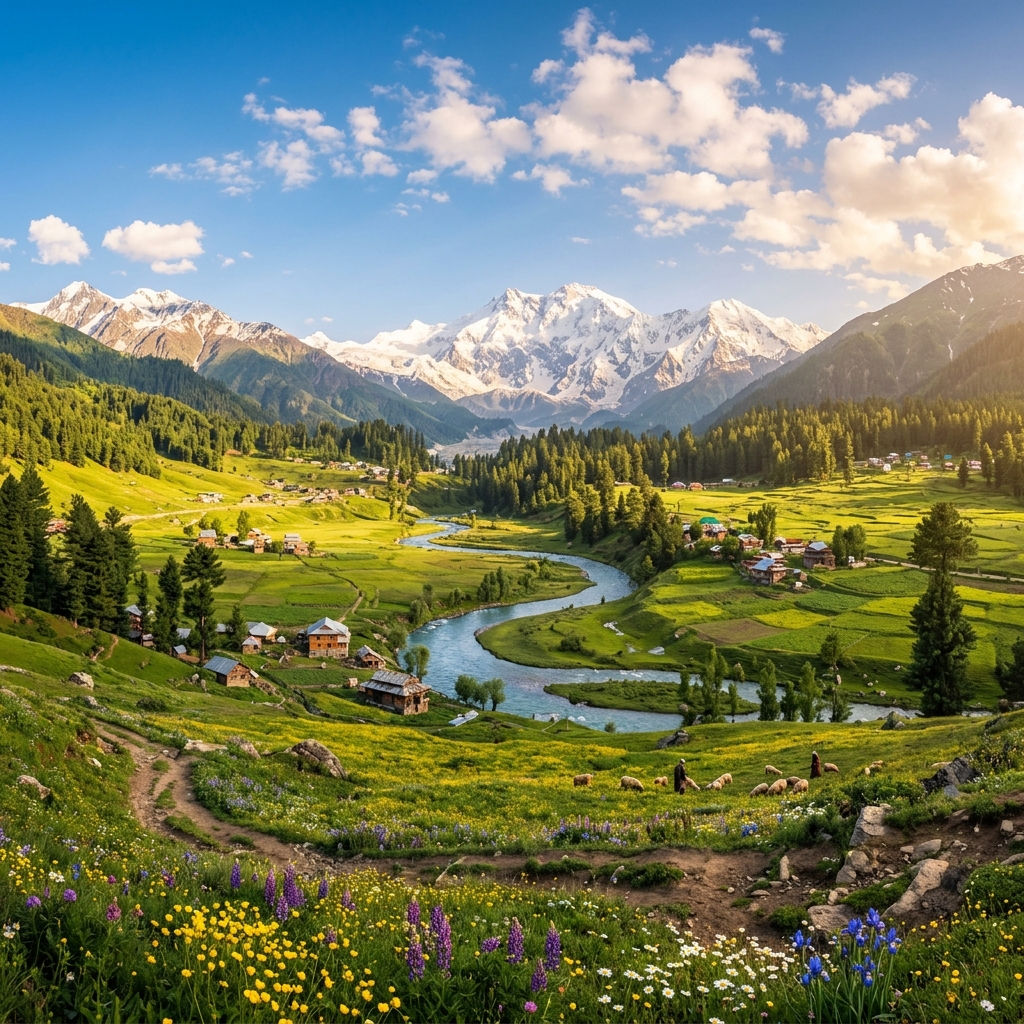
Geographical Landscape of J&K 📷 Geographical Landscape of J&K
Spanning Pir Panjal, Great Himalayas, and Zanskar mountain ranges across 20 districts.

Governance in J&K aligns federal security stabilization with democratic institution-building. Both central and regional leadership support the eventual restoration of full statehood following sustained administrative stabilization and security consolidation.

Federal Development & Security Model

Core Focus & Policy Objectives
Direct central oversight accelerates mega-infrastructure (USBRL rail link, tunnels, AIIMS), strengthens counter-terrorism frameworks, and ensures transparent fund utilization for regional growth. Statehood commitment remains a declared policy goal.
Constitutional / Policy Basis
Article 239A framework, Ministry of Home Affairs development oversight, security-first stabilization model.

Regional Elected Cabinet Focus

Core Focus & Policy Objectives
Advocates for progressive devolution of powers, economic self-reliance, youth employment, and formal assembly resolutions supporting statehood restoration to enhance local administrative responsiveness.
Constitutional / Policy Basis
2023 Supreme Court observations regarding democratic governance and statehood roadmap; Assembly resolutions passed in 2024–2025.

6. Delimitation and Geopolitical Shift
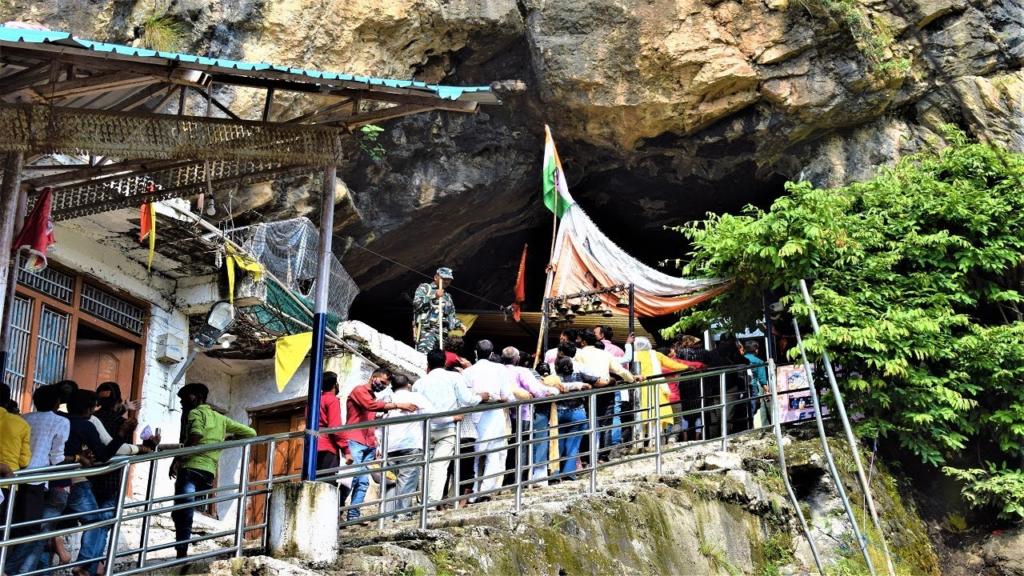
Shiv Khori Natural Cave Shrine 📷 Shiv Khori Natural Cave Shrine
Sacred natural limestone cave in Reasi district with swayambhu lingam.

The redrawing of assembly constituency boundaries by the 2022 Delimitation Commission structurally altered J&K's electoral landscape. By increasing Jammu province's seat share by six seats and Kashmir Valley's by only one, the commission rebalanced representation across the divisions.

Jammu Division

Old Seats
37
New Seats
43 (+6)
Geopolitical Impact
Increases the political influence of Jammu's voter base; introduces tribal reservations (9 ST seats).

Kashmir Division

Old Seats
46
New Seats
47 (+1)
Geopolitical Impact
Reduces the Valley's traditional legislative dominance; raises the average voter count per constituency.

Proponents argue that the commission corrected historical inequalities in voter-to-seat ratios and empowered marginalized tribal groups (like the Gujjars and Bakerwals). Regional parties in the Kashmir Valley, however, contend that the process was an act of gerrymandering designed to dilute the political consensus of the Valley.

7. Economic Integration & Safeguarded Growth
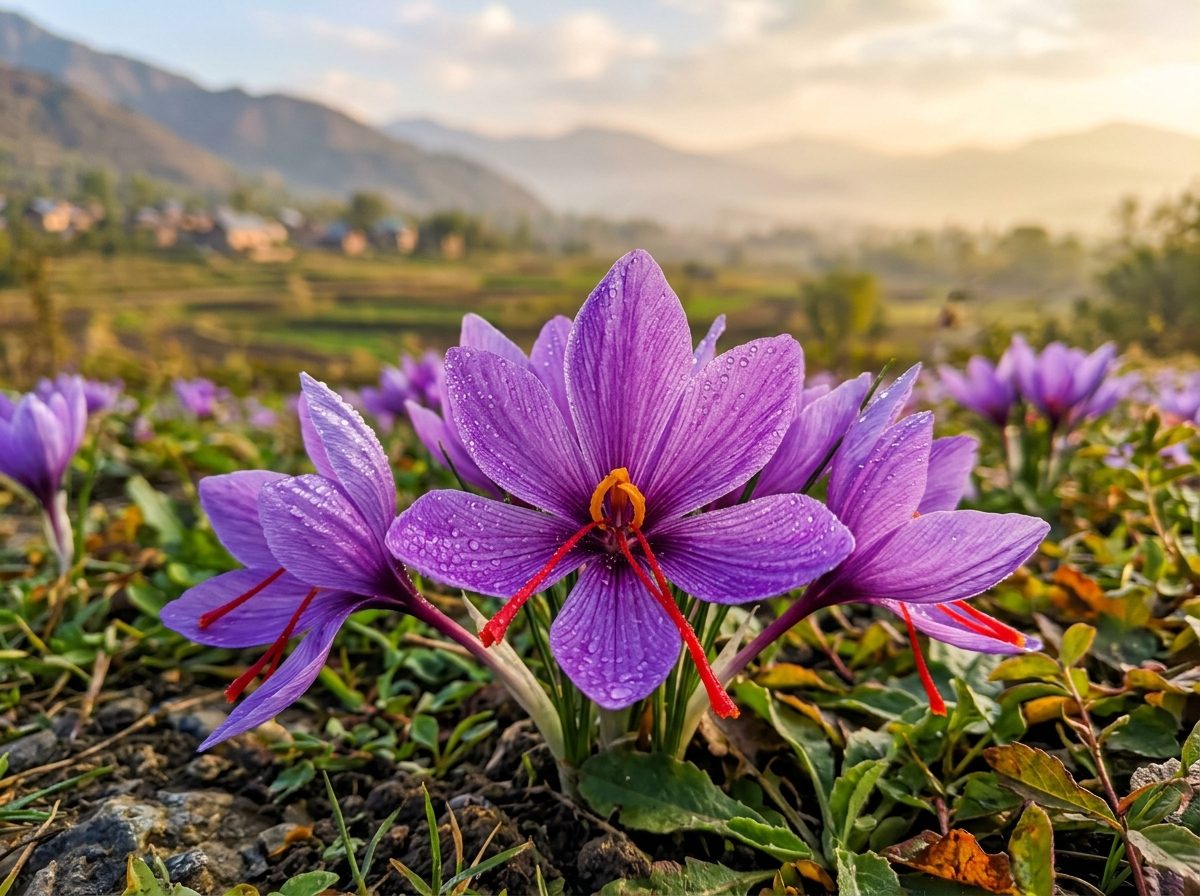
Horticulture & Agricultural Wealth 📷 Horticulture & Agricultural Wealth
High-density apple orchards, saffron, walnuts, and HADP agrarian schemes.

The post-2019 policy framework opens Jammu & Kashmir to nationwide economic investment while establishing protective mechanisms for local ecology, agriculture, and heritage.

Demographics & Land

Local Safeguards & Support
Land regulations preserve agricultural zones, apple orchards, and saffron fields while ensuring sustainable civic planning.
Developmental Milestones & Investment
Enables landmark investments in industrial estates, IT parks, private educational hubs, and world-class hospital infrastructure.

Economy & Livelihoods

Local Safeguards & Support
HADP schemes, GI tags (Saffron, Pashmina, Walnut), and artisan subsidies protect and empower local farmers and craftsmen.
Developmental Milestones & Investment
Integrates J&K into national supply chains, boosts handicraft exports, and generates sustainable youth employment.

Environment

Local Safeguards & Support
Strict ecological impact assessments protect fragile Himalayan glaciers and the Jhelum river basin.
Developmental Milestones & Investment
Enforces stringent national environmental standards while promoting high-value green eco-tourism models.

8. Hypothetical Reinstatement of Articles 370 & 35A: Arguments & Positive Aspects

While the 2019 abrogation of Articles 370 and 35A has been upheld as constitutionally valid by the Supreme Court of India, regional parties and legal scholars continue to advocate for their restoration. A hypothetical reinstatement of these constitutional provisions is associated with several key arguments regarding regional stability, ecological protection, and local empowerment:

Preservation of Demographics & Culture

Key Arguments & Mechanisms
Re-establishing distinct residency definitions protects the unique cultural identity, heritage, and regional demographics of Jammu, Kashmir, and Ladakh from rapid outside shifts.
Socio-Political Context
Addresses deep local anxieties regarding identity loss and preserves the regional ethnic makeup.

Safeguarding Land & Agriculture

Key Arguments & Mechanisms
Reinstating residency-based land-buying restrictions shields prime agricultural land, apple orchards, and saffron fields from speculative real estate acquisitions by non-residents.
Socio-Political Context
Protects the agrarian livelihoods of millions of local farmers and prevents environmental damage from rapid urbanization.

Job Security & Employment Protection

Key Arguments & Mechanisms
Reserving state government jobs and educational seats exclusively for permanent residents secures career opportunities for local youth in a region with limited industrial employment.
Socio-Political Context
Reduces regional unemployment anxieties and shields local youth from outer job market competition.

Bridging the Trust Deficit

Key Arguments & Mechanisms
Honoring the historical and constitutional terms of the 1947 Instrument of Accession helps rebuild political trust between the regional population and the central government.
Socio-Political Context
Strengthens federal relations and supports long-term political stabilization through consensus-building.

Accountable Local Governance

Key Arguments & Mechanisms
Restoring legislative autonomy empowers the elected regional assembly to pass laws tailored to J&K's unique socio-geographic conditions, making local administrators directly accountable to the electorate.
Socio-Political Context
Strengthens democratic self-governance and reduces dependence on center-appointed administrative offices.

9. Structural & Socio-Economic Impact Assessment (2019–2026)

The administrative reorganisation and constitutional alterations since 2019 have generated complex, multi-dimensional changes across J&K's institutional, commercial, and social life. The following section examines these impacts across key dimensions:

Administrative & Institutional Shifts

Geographical Landscape of J&K 📷 Geographical Landscape of J&K
Spanning Pir Panjal, Great Himalayas, and Zanskar mountain ranges across 20 districts.
  • State-to-UT Transition: The conversion of J&K into a Union Territory shifted control of the civil services (IAS/IPS/KAS), police, and land administration to the Lieutenant Governor's executive office. The dissolution of the Legislative Council (upper house) removed representation channels for minority communities and geographically isolated districts.
  • Domicile & Property Revisions: The repeal of Article 35A opened state employment and property ownership to non-residents meeting domicile requirements (e.g., 15 years residency or 7 years local schooling). This has altered local job security dynamics and created local land-security concerns.
  • Termination of the Darbar Move: The 149-year-old tradition of shifting capitals between Srinagar and Jammu was ended in June 2021. While reducing operational costs (saving ~₹200 crore annually), this cut the seasonal economic flow between the two divisions, causing a 30-40% decline in revenue for transporters, hoteliers, and small traders in old city hubs.

Economic Disruptions & Digital Shutdowns
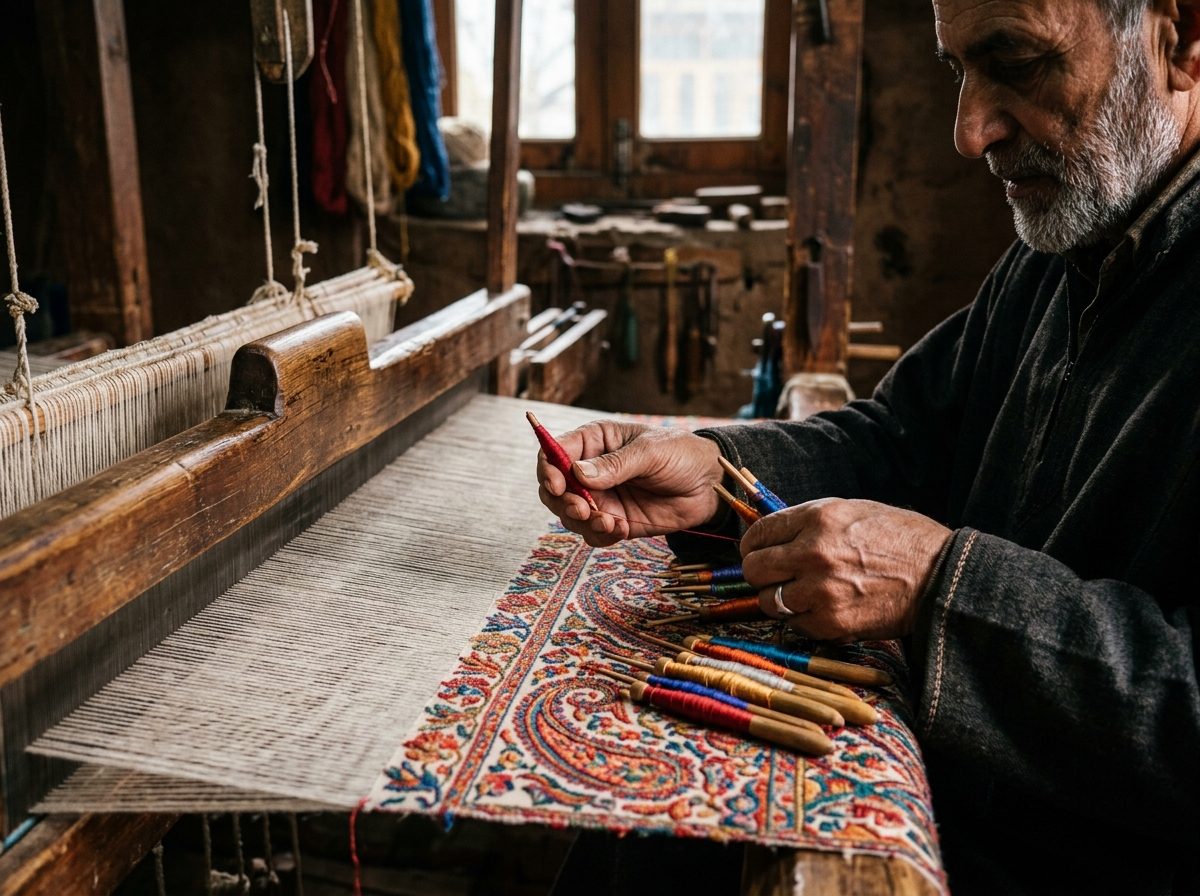
Trade, Handlooms & Economic Growth 📷 Trade, Handlooms & Economic Growth
Handicrafts, tourism, food processing, and growing startup ecosystems.

The frequent suspensions of high-speed mobile internet services—including the 213-day shutdown in 2019—impacted several key sectors of J&K's economy:

Handicrafts & Artisans

Key Disruptions & Digital Roadblocks
Disrupted e-commerce transactions, suspended communication with international buyers, and blocked online catalog displays.
Estimated Financial Fallout
Estimated export deficit exceeding ₹1,500 crore; job losses in handloom sectors.

Horticulture (Apples)

Key Disruptions & Digital Roadblocks
Inability of apple orchardists to access national electronic agricultural markets (e-NAM) to track crop prices or coordinate logistics.
Estimated Financial Fallout
Supply chain delays, pricing exploitation by middlemen, and local fruit spoilage.

IT & Startups

Key Disruptions & Digital Roadblocks
Loss of foreign client contracts due to communication failures, forcing software companies to shut down or relocate out of J&K.
Estimated Financial Fallout
Accelerated "brain drain" and developer migration to metropolitan tech hubs.

Psychosocial and Public Health Indicators

Prolonged instability, lockouts, and socio-political transitions have created a significant public health challenge regarding the psychosocial well-being of J&K's residents:

  • Prevalence of Mental Distress: Surveys conducted by humanitarian agencies like Médecins Sans Frontières (MSF) in collaboration with local psychiatric hospitals (IMHANS Srinagar) indicate that nearly 45% of adults in the Kashmir Valley show signs of mental distress.
  • PTSD & Anxiety Rates: Clinical centers have registered an increase in Post-Traumatic Stress Disorder (PTSD), chronic anxiety, and depression, particularly among youth, linked to financial insecurity and regional instability.

References

Maharaja Hari Singh (1895–1961) 📷 Maharaja Hari Singh (1895–1961)
Last ruling Maharaja of J&K who signed the 1947 Instrument of Accession.
  1. "Dogra dynasty" — Wikipedia
  2. "Instrument of Accession" — Wikipedia
  3. "Hari Singh" — Wikipedia
  4. "Article 370" — Wikipedia
🏛️ Official Data Sources & Fact-Checking Transparency
Public Domain & Statutory Archives

All historical, demographic, examination, and geographic records across this portal are compiled from public domain repositories, including the Official Gazette of India (egazette.nic.in), Census of India Demographic Data, India Meteorological Department (IMD), and statutory notifications issued by the J&K Administration & Examination Boards.

🛡️ Editorial Policy: Academic Non-Affiliation Guidelines 📬 Grievance & Corrections: Editorial Review Desk ⚖️ License: Open Public Research (CC-BY-NC 4.0)

Explore Related Jammu & Kashmir Knowledge Clusters

Cross-Topic Navigation
📜 5,000-Year History & Dogra Dynasty 🗺️ 20 Districts & Geospatial River Maps 🎓 JKSSB & JKPSC Exam Preparation Hub 🏔️ Gulmarg Gondola & Alpine Treks 🛕 Mata Vaishno Devi & Pilgrimage Guide 🍲 36-Course Kashmiri Wazwan Atlas 🧶 GI Crafts, Pashmina & Artisans 🚗 Live NH-44 Highway & Weather Radar 💼 HADP Agriculture, Saffron & Economy 🏛️ GAD Official Directory & Helplines 📜 UT Welfare Schemes & Jan Sugam 📊 20-District Demographics & Census 📑 Master Topic Index & Directory

Institutional & Statutory Citations

  1. [1] Statutory Delimitation Order Election Commission of India / Delimitation Commission. Final Order on Assembly and Parliamentary Constituencies in the Union Territory of Jammu & Kashmir. Notified May 5, 2022. Establishing 47 seats in Kashmir, 43 seats in Jammu, and 9 reserved seats for STs. Official ECI Order ↗ ↩
  2. [2] Official Government Report Ministry of Home Affairs, Government of India. Annual Report on Union Territories and Jammu & Kashmir Governance Framework. Describing administrative delegation, security grids, and central fund allocations. MHA Annual Reports ↗ ↩

Further Reading & Institutional Governance Sources

Official electoral delimitation orders, statutory governance reports, and legislative proceedings: