Historical Overview
Jammu and Kashmir carries multiple layered meanings: the Union Territory since 2019; the former State (1947–2019); and the unified princely state (1846–1947). The broader territory spans the Pir Panjal ranges, the Kashmir Valley, the Shivalik foothills of Jammu, and the high-altitude trans-Himalayan desert of Ladakh. Its geopolitical history is among the richest in Asia, bridging Indian classical scholarship, Central Asian trade routes, and modern international diplomacy.
Prehistoric Archaeology & Classical Buddhist Heritage
The antiquity of human habitation in the Kashmir Valley extends over 5,000 years, anchored by UNESCO Tentative-listed Neolithic settlements, megalithic alignments, and the global pivotal center of Buddhist scholastic philosophy:
🏺 Burzahom Neolithic Settlement (c. 3000 – 1000 BCE)
Located on a high Karewa terrace 16 km northeast of Srinagar. Excavated by T.N. Khazanchi (ASI, 1960–1971), proving distinct trans-Himalayan links with North China and Central Asia.
- Subterranean Pit Dwellings: Circular and rectangular subterranean living pits plastered with red ochre and post-holes for birch-bark thatch roofs.
- Bone Tool Industry: Sophisticated bone harpoons, needles, awls, and arrowheads.
- Neolithic Art & Burials: Stone slab engraved with a hunting scene (two suns and a stag) and ritual burials of domestic dogs alongside humans.
- Megalithic Menhirs: Massive standing stones erected in Period III (c. 1500 BCE) marking commemorative ceremonial astronomy.
⛏️ Gufkral Neolithic Site ("Cave of the Potter")
Located near Tral in Pulwama district. Excavated by A.K. Sharma (ASI, 1981), establishing Kashmir's continuous transition from pre-pottery hunting to animal domestication.
- Aceramic Neolithic (Period IA): Earliest phase with no pottery; evidence of wild sheep/goat hunting and polished celts.
- Ceramic Neolithic (Period IB/IC): Emergence of handmade grey burnished pottery with mat-impressions on bases and domesticated lentils/wheat.
- Early Metallurgy: Period II/III transition marked by copper hairpins, iron points, and megalithic stone circles.
☸️ The 4th Buddhist Council at Kundalvana (72 CE)
Under the royal patronage of Kushan Emperor Kanishka I, the 4th Great Buddhist Council was convened at Kundalvana (traditionally identified with Harwan near Srinagar or Ushkar in Baramulla). Presided over by venerable elder Vasumitra and co-presided by the great poet-philosopher Ashvaghosha:
Classical Buddhist & Ancient Monastic Sites Registry
| Monastic Site / Stupa | Location & District | Dating / Reign | Architectural Style & Archaeological Highlights |
|---|---|---|---|
| Harwan Buddhist Complex | Harwan, Srinagar (Zabarwan foothills) | 1st–4th C CE (Kushan Period) | Apsidal brick chaitya surrounded by courtyards decorated with unique molded terracotta tiles depicting Central Asian/Hellenistic dress, flora, and musicians. |
| Ushkar Stupa & Vihara (Hushkapura) | Baramulla (Ancient Gateway) | 2nd C CE (King Huvishka) | Kushan stupa with stone core; visited by Chinese pilgrims Xuanzang (631 CE) and Yijing; excavated terracotta Buddha heads showing Gandhara influence. |
| Parihaspora Buddhist Stupa & Raj Vihara | Parihaspora, Baramulla | 8th C CE (King Lalitaditya) | Massive ashlar stone monastic stupa and square monastery (Raj Vihara) with monumental monolithic stone blocks weighing up to 20 tons. |
| Ambran Monastic Settlement ("Pambaran") | Ambran, Akhnoor (Jammu) | 1st C BCE – 7th C CE | Only excavated Buddhist monastic site in Jammu division; stupa plinth, terracotta heads of Buddha/Bodhisattvas in Gandhara style, and gold reliquary caskets. |
| Naranag (Wangath) Temple Group | Wangath Valley, Ganderbal | 8th C CE (Lalitaditya Muktapida) | 17 stone temples dedicated to Shiva Bhuteshwara in alpine fir forests; served as a premier Vedic/Shaivite university and pilgrim sanctuary. |
Ancient & Medieval Dynasties of Kashmir
Long before the creation of the princely state in 1846, Kashmir was ruled by celebrated Hindu, Buddhist, and Muslim dynasties that shaped Himalayan architecture, hydraulic engineering, and arts:
| Dynasty | Reign Era | Key Rulers & Historical Significance |
|---|---|---|
| Karkota Dynasty | c. 625 – 855 CE |
Lalitaditya Muktapida (724–760 CE): The most powerful empire-builder of ancient Kashmir. Expanded borders from Central Asia to Bengal and commissioned the iconic Martand Sun Temple. Durlabhavardhana: Dynasty founder; hosted Chinese pilgrim Xuanzang. |
| Utpala Dynasty | c. 855 – 1003 CE |
Avantivarman (855–883 CE): Patron of arts and engineering; founded Avantipur city and oversaw Jhelum dredging led by engineer Suyya. Queen Didda (980–1003 CE): One of ancient India's formidable female monarchs who governed with exceptional administrative skill. |
| Lohara Dynasty | c. 1003 – 1320 CE |
Sangramaraja: Repelled the invasions of Mahmud of Ghazni. Harsha (1089–1101 CE): Controversial ruler whose reign preceded Mongol raids and the transition to the Sultanate era. |
| Shah Mir Dynasty | c. 1339 – 1561 CE |
Sultan Zain-ul-Abidin ("Budshah", 1420–1470 CE): Progressive ruler who promoted communal harmony, built canals, and introduced Persian carpet-weaving, pashmina, and papier-mâché. Sultan Shihab-ud-din: Great military strategist who expanded borders across northern India. |
| Chak Dynasty | c. 1561 – 1589 CE | Yousuf Shah Chak: Last independent king of Kashmir. Married to peasant-poetess Habba Khatoon. Imprisoned by Mughal Emperor Akbar, leading to Mughal annexation. |
Kalhana's Rajatarangini (1148–1149 CE) — The 8 Tarangas (Books)
Composed by Kalhana in 7,826 Sanskrit verses, the Rajatarangini ("River of Kings") is celebrated as South Asia's earliest objective work of historical scholarship. Kalhana consulted 11 earlier chronicle texts, royal copper-plate grants, coin hoards, and temple inscriptions:
- Tarangas I–III: Early legendary kings of Kashmir, Ashoka's introduction of Buddhism, and early Shaivite temples.
- Taranga IV (Karkota Era): King Lalitaditya Muktapida's trans-Himalayan conquests and construction of Martand Sun Temple.
- Taranga V (Utpala Era): King Avantivarman's rule and chief engineer Suyya's river engineering to prevent Jhelum floods.
- Tarangas VI–VIII (Lohara Era): Queen Didda's formidable reign (980–1003 CE), King Harsha's civil crises, and eyewitness accounts of 12th-century court politics.
Detailed Chronological Profiles of Key Historical Rulers
Founded the Karkota dynasty. Hosted the Chinese pilgrim Xuanzang, who documented a prosperous kingdom marked by peaceful coexistence between Buddhism and Hinduism.
Kashmir's greatest conqueror. Expanded the empire to Kannauj and Tibet, built his capital at Parihaspora, commissioned the Martand Sun Temple, and repelled northwest invasions.
Focused on agrarian recovery. Founded Avantipur and patronized the engineer Suyya, who dredged the Jhelum river to prevent devastating floods and expand rice cultivation.
One of the few sole female monarchs in ancient India. Governed as queen consort, regent, and sovereign monarch, maintaining firm administrative control over court factions.
Celebrated as "The Great King" for his progressive policies. Built canals, promoted religious harmony, and invited master craftsmen from Samarkand and Persia to introduce shawls and carpets.
Last independent king of Kashmir. Married to peasant-poetess Habba Khatoon. Imprisoned and exiled by Mughal Emperor Akbar, leading to direct Mughal annexation.
Kashmir Shaivism (Trika Philosophy) & Reshi-Sufi Synthesis
Kashmir developed one of the world's most profound non-dualistic (Advaita) philosophical systems—Trika Shaivism (c. 8th–11th Century CE). Centered on the dynamic consciousness of Paramashiva (pure consciousness) and Spanda (divine creative vibration), this intellectual renaissance produced groundbreaking works in metaphysics, epistemology, and Sanskrit aesthetics:
Received the 77 Shiva Sutras revealed on the sacred Shankaropal rock on Mahadeva Mountain, establishing the non-dual direct realization path.
Composed Sivadristi and Ishvara Pratyabhijna Karika ("Philosophy of Recognition"), arguing liberation is simply recognizing one's innate identity with universal consciousness.
Encyclopedic master who synthesized all Shaivite tantras in the Tantraloka (37 chapters) and transformed Indian aesthetic theory in Abhinavabharati (introducing Shanta Rasa).
Chief disciple of Abhinavagupta who distilled the entire Trika system into 20 accessible aphorisms in Pratyabhijnahrdayam ("Heart of Recognition").
🌸 The Reshi-Sufi Spiritual Synthesis (14th–15th Century)
In the 14th century, the spiritual philosophy of Kashmir Shaivism seamlessly merged with Islamic Sufism (particularly the Kubrawi and Suhrawardi orders), giving birth to the indigenous Reshi Order of Kashmir:
🧘 Lalleshwari / Lal Ded (1320–1392 CE)
Mystic poetess whose 4-line verses (Vakhs) democratized non-dual Shaivite philosophy into colloquial Kashmiri. Rejected caste rigidities, temple rituals, and external dogma, emphasizing inward divine realization.
🕊️ Sheikh Noor-ud-din Noorani / Nund Rishi (1377–1440 CE)
Patron saint of Kashmir (Alamdar-e-Kashmir) and founder of the indigenous Muslim Reshi order. Composed moral poetry (Shruks) championing environmental sanctity, non-violence, vegetarianism, and communal harmony.
Mughal, Afghan & Sikh Eras (1586–1846 CE)
The 260-year transition between the fall of the independent Chak Dynasty and the founding of the Dogra Princely State in 1846 witnessed imperial Mughal garden architecture, turbulent Afghan rule, and the expansion of the Sikh Empire under Maharaja Ranjit Singh:
Akbar (1586): Annexed Kashmir; constructed the fortified stone wall of Nagar Nagar (1597) around Hari Parbat with Sangin Darwaza and Kathi Darwaza.
Jahangir & Shah Jahan: Constructed terraced pleasure gardens—Shalimar Bagh (1619), Nishat Bagh (1633), Achabal, and Verinag Spring enclosure.
Dara Shikoh: Built Pari Mahal ("Palace of Fairies") on Zabarwan hills as a 6-terrace school of astronomy and Sufi contemplation.
Ahmad Shah Abdali: Invaded in 1752 following the invitation of local nobles, ending Mughal rule. Governed through 28 successive Afghan subahdars.
Atta Mohammad Khan (1808–1812): Declared independence from Kabul, minted coins in honor of Sheikh Noor-ud-din Noorani, and built the current high-walled stone battlements of Hari Parbat Fort.
Jabbar Khan: The last Afghan governor, defeated at the Battle of Shopian in 1819.
Maharaja Ranjit Singh: Captured Kashmir in July 1819 led by generals Misr Diwan Chand, Hari Singh Nalwa, and Gulab Singh.
Hari Singh Nalwa (1820–1821): Governor of Kashmir; minted the pure silver 'Hari Singhi Rupee' and reformed currency exchange rates.
Diwan Moti Ram & Prince Sher Singh: Expanded administration, governed during the catastrophic 1832 famine, and unified frontier check-posts before the First Anglo-Sikh War.
Summary Chronology of Intermediate Dynasties
| Imperial Epoch | Key Governors / Rulers | Major Infrastructure & Heritage Legacy |
|---|---|---|
| Mughal Empire (1586–1752) | Emperor Akbar, Jahangir, Asaf Khan, Shah Jahan, Dara Shikoh | Nagar Nagar Citadel, Shalimar Bagh, Nishat Bagh, Pari Mahal Observatory, Chashme Shahi, Verinag Arcade, Pathar Masjid. |
| Durrani Afghan Empire (1752–1819) | Abdullah Khan Ishaq Aqasi, Amir Khan Jawansher, Atta Mohammad Khan | Sher Garhi Palace foundation, Hari Parbat stone battlements, Amira Kadal wooden bridge (1774), Afghan copper coinage. |
| Sikh Empire (Lahore Darbar) (1819–1846) | Misr Diwan Chand, Diwan Moti Ram, Hari Singh Nalwa, Shaikh Ghulam Mohi-ud-Din | Hari Singhi Rupee minting, Gurdwara Chatti Padshahi (Hari Parbat), Gurdwara Mattan Sahib, regulation of raw shawl wool trade (*Pushm*). |
The Dogra Dynasty (1846–1947)
The Dogra dynasty of Dogra Rajputs from Jammu consolidated Jammu and Kashmir through a series of treaties with the British East India Company following the First Anglo-Sikh War.
The Treaty of Amritsar (16 March 1846) — Legal Articles
Signed between Sir Henry Hardinge (East India Company) and Maharaja Gulab Singh following the First Anglo-Sikh War:
Chronology of Dogra Maharajas
| Ruler / General | Reign / Era | Key Heritage Achievements & Historical Impact |
|---|---|---|
| Maharaja Gulab Singh | 1846–1857 | Crowned at Akhnoor (1822); founder of J&K via Treaty of Amritsar (1846). Strategic genius who consolidated Jammu, conquered Ladakh, and secured Himalayan trade & borders. |
| General Zorawar Singh | c. 1786–1841 | Known as the "Napoleon of India"; legendary Dogra military general who conquered Ladakh, Zanskar, Baltistan, and Western Tibet (Taklakot). |
| Maharaja Ranbir Singh | 1857–1885 | Codified the legal system (Ranbir Penal Code - RPC), patronized Sanskrit & Persian scholarship, and built Raghunath & Ranbireshwar Temple complexes. |
| Maharaja Pratap Singh | 1885–1925 | Longest-reigning Dogra ruler (40 yrs). Built Jhelum Valley & Banihal cart roads, abolished Begar, established SPS Museum, SP College Srinagar, POW College Jammu, and world's largest silk factory. |
| Maharaja Hari Singh | 1925–1952 | Progressive social reformer who opened all temples to Dalits, mandated compulsory primary education, abolished child marriage, and signed the Instrument of Accession to India in Oct 1947. |
⚔️ General Zorawar Singh's Trans-Himalayan Campaigns (1834–1841)
Known to military historians as the "Napoleon of India", General Zorawar Singh Kahluria served as Maharaja Gulab Singh's supreme commander in Reasi and Kishtwar. He executed unprecedented high-altitude winter warfare campaigns, extending J&K's sovereign borders deep into the Tibetan plateau:
Crossed Bhot Khol Pass (14,400 ft); defeated Ladakhi forces at the Battle of Pushkyum and entered Leh in 1835, installing King Tsepal Namgyal as tributary vassal.
Marched through 20-foot snowdrifts across Umasi La pass (17,300 ft) to crush insurrections in Padum and secure southern trans-Himalayan valleys.
Invaded Skardu via frozen Indus River; captured the formidable Skardu Fort (Kharpocho) from Raja Ahmad Shah and annexed Baltistan to the Dogra realm.
Captured Gartok, Rutog, and Lake Manasarovar; fought the Sino-Tibetan army at 15,000 ft in sub-zero winter; martyred at the Battle of To-yo on 12 Dec 1841. The Tibetans erected a commemorative samadhi (Chorten) in his honor.
Comprehensive Dynastic Reforms (1846–1947)
Administrative & Economic: Rationalized 3,115 jagirs with Raja Kak Dhar; established a state rice rationing monopoly to alleviate Srinagar food shortages; divided kingdom into 3 Provinces (Jammu, Kashmir, Ladakh); revived Shawl Department (*Dagshawl*) and fixed weaver wages.
Defense & Faith: Suppressed predatory Galwan gangs; founded the Dharmarth Trust to preserve historic temples; installed son Ranbir Singh as ruler in 1856.
Judicial Codification: Enacted "Ranbir Dand Biddhi" (Ranbir Penal Code - RPC in 203 sections), Zabita-e-Diwan (Civil Code), Adalat-e-Alia (1877), and introduced the Jury System in 1880.
Communications & Press: Established Vidya Vilas Press (1st printing press in J&K); introduced Postcards (1883), Money Orders (1882), Dogri/Persian stamps, and Jammu-Srinagar Telegraph line (1878–1882); permanently annexed Gilgit & Yasin.
Land & Labor: Supervised the scientific Land Settlement (1887) by Walter Lawrence; abolished forced labor (*Begar*) completely in 1920; built Ranbir Canal (1,26,000 acres) and Mohra Hydroelectric Plant (1907).
Highways & Colleges: Opened Jhelum Valley Road (1889/1897) and Banihal Cart Road (1922); opened Sialkot-Jammu Railway (1890); founded Sri Pratap College Srinagar (1905) and Prince of Wales College Jammu (1907); built world's largest silk factory in Srinagar.
Legislature & Judiciary: Established Praja Sabha (1934, J&K's 1st Legislative Assembly of 75 members); established J&K High Court (1928); founded The J&K Bank Ltd (1938); passed Land Alienation Act (1928).
Social Reform: Issued historic proclamation on 31 Oct 1932 opening all temples to Dalits/Harijans; abolished child marriage (fixed min age 18 for boys, 14 for girls); eradicated female infanticide; banned polyandry and dowry (*Rum*).
Master Inventory of 23 Historical Forts & Palaces
Authoritative district-wise registry of 23 iconic military forts, royal garhs, and fortified caravanserais across Jammu & Kashmir:
| # | Fort / Monument | District | Classification & Historical Significance |
|---|---|---|---|
| 1 | Bahu Fort | Jammu | Hill Fort overlooking Tawi River; associated with Raja Bahu Lochan & Bawe Wali Mata Temple. |
| 2 | Mubarak Mandi Complex | Jammu | Fortified Royal Palace featuring 42 courtyards; Dogra, Mughal, & Gothic architecture. |
| 3 | Amar Mahal Palace | Jammu | French Chateau-style royal residence built by Raja Amar Singh; now a heritage museum. |
| 4 | Akhnoor Fort | Jammu | Chenab Riverfront Fort built by Raja Tegh Singh & completed by Alam Singh (1802). |
| 5 | Ramnagar Fort | Udhampur | ASI-protected polygon-bastioned fort built by Raja Suchet Singh in Bandralta. |
| 6 | Rangmahal Palace | Udhampur | Fortified royal heritage residence of the Ramnagar Bandral ruling family. |
| 7 | Bhimgarh Fort | Reasi | Hilltop stone fort beside Anji River; associated with General Zorawar Singh's campaigns. |
| 8 | Samba Fort | Samba | Overlooking Basantar River; rebuilt by Ranjit Singh (1822) over an older stronghold. |
| 9 | Mohargarh Fort | Samba | Historic Dogra fortified outpost atop Samba hillocks. |
| 10 | Dhergarh Fort | Samba | Ancient hilltop defensive fort of the Samba regional ruling clans. |
| 11 | Bhupnergarh Fort | Samba | Old hill-state garh in Samba district; currently preserved in ruined state. |
| 12 | Jasrota Fort & Citadel | Kathua | Capital ruins of the ancient Jasrota principality; crucial pre-Dogra stronghold. |
| 13 | Basohli Fort & Citadel | Kathua | Historic capital fort of Basohli kingdom; birthplace of Basohli miniature art. |
| 14 | Ramkot Fort | Kathua | Fortress associated with the historic Mankot / Ramkot hill principality. |
| 15 | Billawar Remains | Kathua | Medieval fortified structures associated with early Billawar ruling dynasty. |
| 16 | Dhanidhar Fort | Rajouri | Strategic 19th-century hill fort built to garrison troops and store grain. |
| 17 | Mangal Dei Fort | Rajouri | Hill fort in Nowshera housing Mangla Mata shrine. |
| 18 | Chingus Fortified Sarai | Rajouri | 16th C Mughal Sarai where Emperor Jahangir's entrails were buried (1627). |
| 19 | Thanamandi Sarai | Rajouri | Fortified transit center along the imperial Mughal Road to Kashmir. |
| 20 | Poonch Fort-Palace | Poonch | Massive fort-palace blending Mughal, Sikh, Dogra, & European styles. |
| 21 | Sarazi Fort | Doda | Historic hill fort in Bhaderwah/Sarazi region. |
| 22 | Hari Parbat Fort | Srinagar | 18th C fort built atop Sharika Hill by Afghan Governor Atta Mohammad Khan. |
| 23 | Sher Garhi Palace | Srinagar | Fortified seat of Afghan, Sikh, and Dogra governors along the Jhelum. |
ASI & State Protected Monuments Master Registry
Statutory classification of Centrally Protected Monuments under the Archaeological Survey of India (ASI, Srinagar & Jammu Circles) and the J&K Directorate of Archives, Archaeology & Museums:
| Monument / Complex | District | Dating / Period | Statutory Authority & Architectural Significance |
|---|---|---|---|
| Martand Sun Temple | Anantnag | 8th C CE (King Lalitaditya) | ASI NATIONAL Colonnaded Kashmiri stone temple dedicated to Surya; monumental peristyle with 84 pillared niches. |
| Avantiswami & Avantishwar Temples | Pulwama | 9th C CE (King Avantivarman) | ASI NATIONAL Classical stone Vishnu and Shiva temples with intricate carved relief bas-reliefs. |
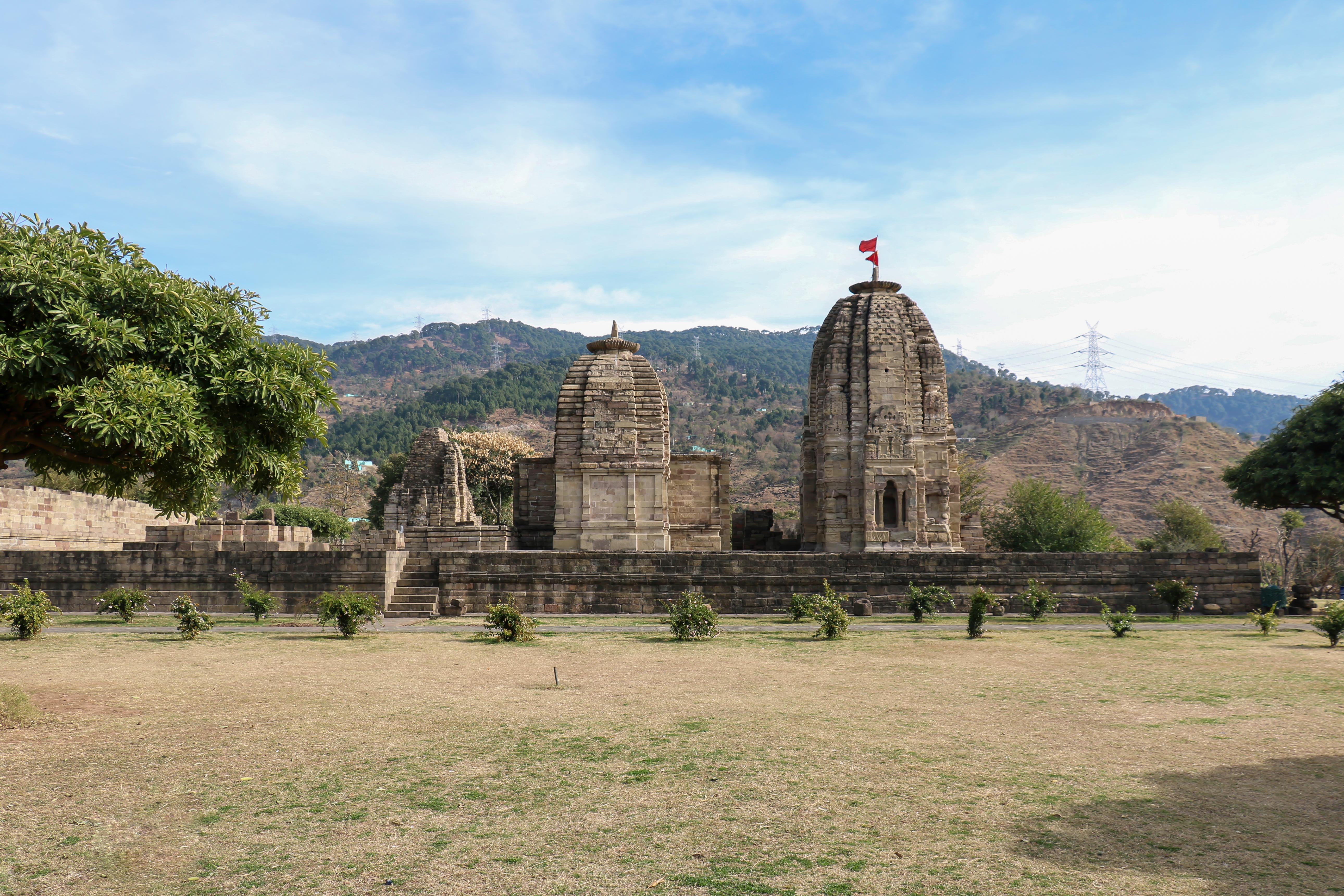
| Krimchi Temple Group (Pandava Temples) | Udhampur | 8th–12th C CE | ASI NATIONAL Group of 5 classical Nagara temples with rekha-shikharas overlooking Birunala stream. |
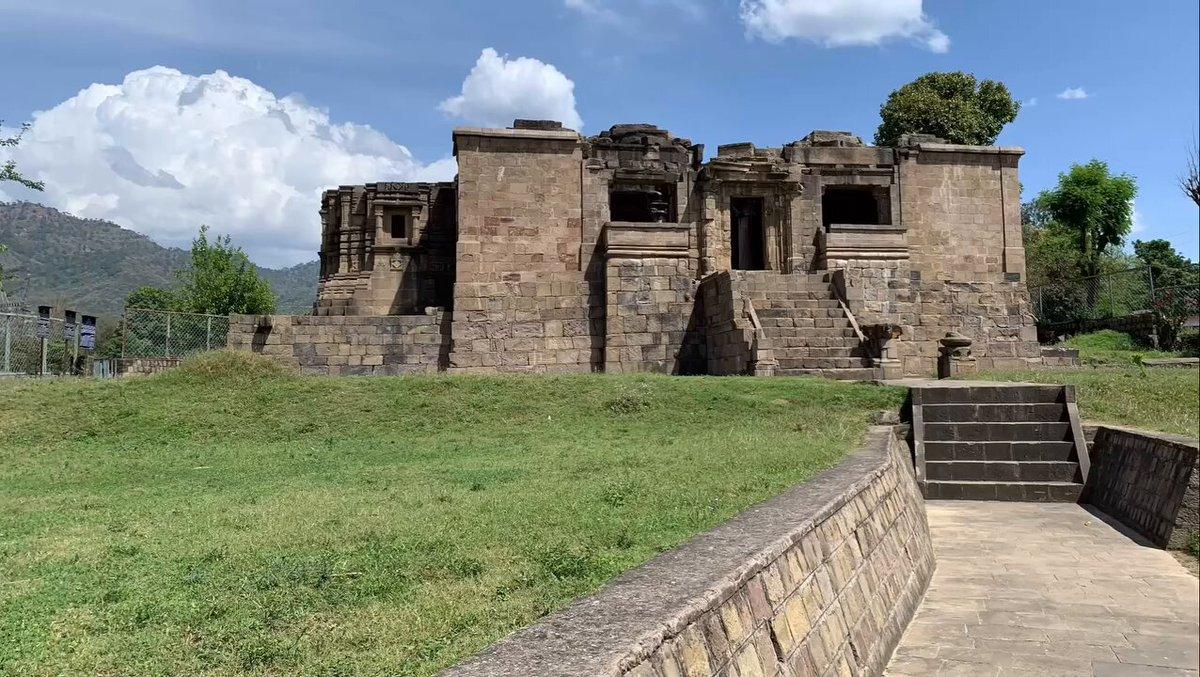
| Manwal Temple Complex (Kala Dera I & II) | Udhampur | 10th–11th C CE | ASI NATIONAL Exquisite carved sandstone temples featuring fluted pillars, Ganga-Yamuna river goddess reliefs, and mandapas. |
| Harwan Buddhist Stupa & Chaitya | Srinagar | 1st–4th C CE (Kushan) | ASI NATIONAL Earliest diaper-pebble and terracotta tile Buddhist complex in the Valley. |
| Parihaspora Stupa & Monasteries | Baramulla | 8th C CE (Karkota) | ASI NATIONAL Ruined megalithic stone capital founded by Lalitaditya Muktapida. |
| Shankaracharya Temple (Jyeshteshwara) | Srinagar | c. 200 BCE – 9th C CE | ASI NATIONAL Stone temple atop Gopadari Hill (1,000 ft above Dal Lake); visited by Adi Shankara in 8th C CE. |
| Ambran Buddhist Site | Jammu (Akhnoor) | 1st C BCE – 7th C CE | ASI NATIONAL Ancient Buddhist monastery with stupa base on the banks of River Chenab. |
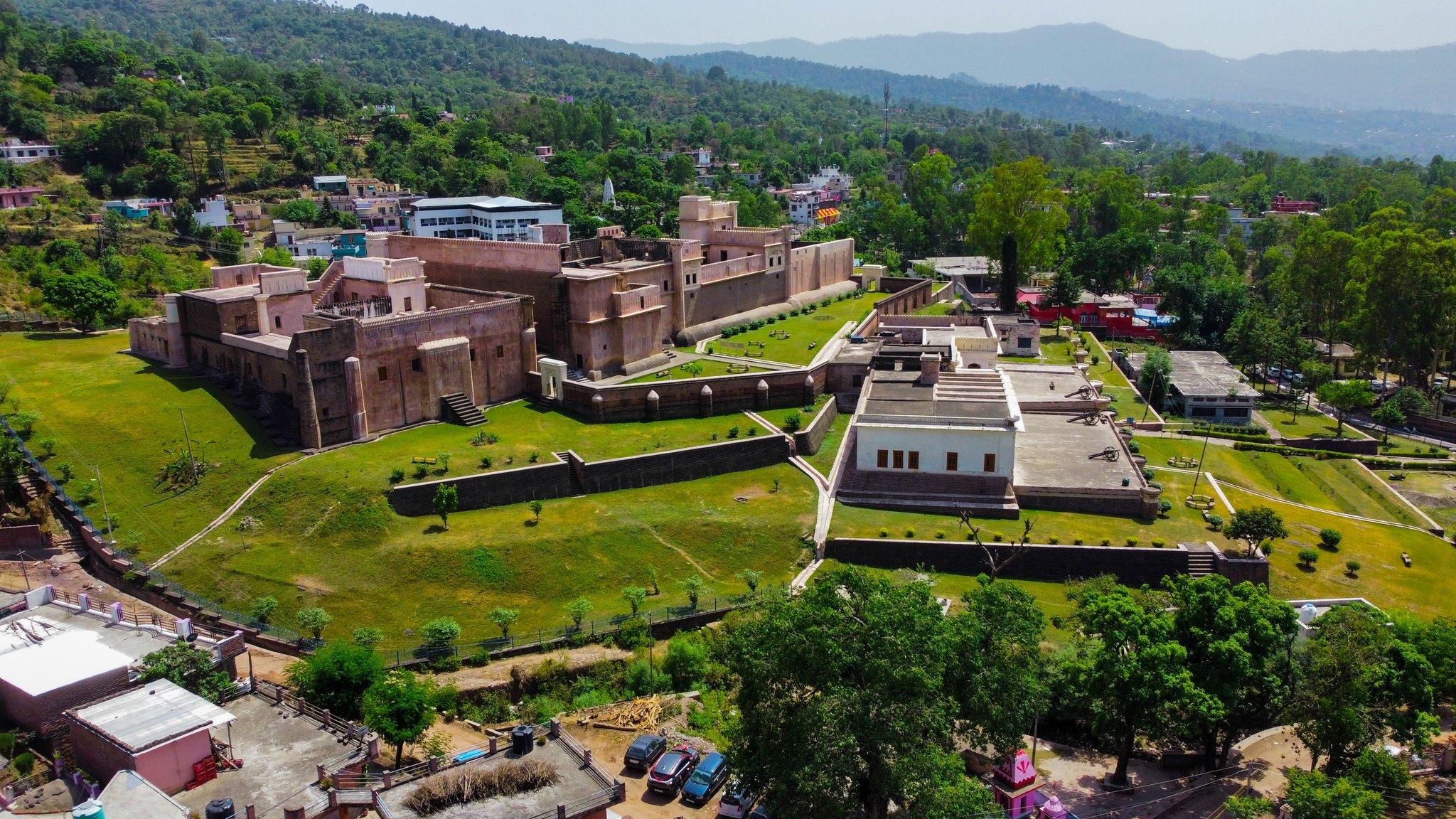
| Ramnagar Fort & Sheesh Mahal | Udhampur | 19th C CE (Dogra Era) | ASI NATIONAL Multi-bastioned hill fort with delicate Dogra and Pahari wall frescoes depicting Mahabharata episodes. |
| Mubarak Mandi Palace Complex | Jammu | 18th–20th C CE | STATE PROTECTED 42-courtyard royal seat of Dogra rulers blending Rajasthani, Mughal, and Baroque styles. |
| Pari Mahal & Mughal Gardens | Srinagar | 17th C CE (Mughal) | STATE PROTECTED 6-terraced hilltop astronomical observatory and royal gardens on UNESCO Tentative List. |
| Chingus Sarai & Fort | Rajouri | 16th C CE (Mughal Road) | STATE PROTECTED Fortified transit station where Emperor Jahangir's entrails were embalmed and entombed (1627). |
The Historical & Archaeological Evolution of Udhampur District
Udhampur district covers ~2,380 km² across eight tehsils (Udhampur, Chenani, Basantgarh, Ramnagar, Latti, Moungri, Panchari, and Majalta). In antiquity, it served as the vital transit corridor connecting the Jammu plains to the Kashmir Valley.
🔍 3 Levels of Historical Evidence in Udhampur
Archaeological & Historical Sites of Udhampur
| Site / Complex | Location | Dating & Archaeological Significance |
|---|---|---|
| Krimchi Temples ("Pandava Temples") | Krimchi (12 km from Udhampur) | 8th–12th C Nagara stone temple complex (5 temples + 2 shrines); ancient capital of Bhuti kingdom. |
| Manwal — Kala Dera I & II | Manwal | 10th–11th C dark stone Shiva temples; ASI-protected monuments of national importance. |
| Dera Babour & Nand Babour | Manwal / Thalora | 10th C complex with rare common mandapa connecting multiple sanctums. |
| Devi Bhagavati Temple | Manwal | 10th–11th C Vishnu temple with carvings of river goddesses Ganga and Yamuna. |
| Majalta Archaeological Site | Majalta | Ancient temple, stepwell (*baoli*), and multi-faith Shaivite, Vaishnavite, and Jain sculptures. |
| Ramnagar Fort & Palaces | Ramnagar | 19th C palace and samadhi complex associated with Raja Suchet Singh. |
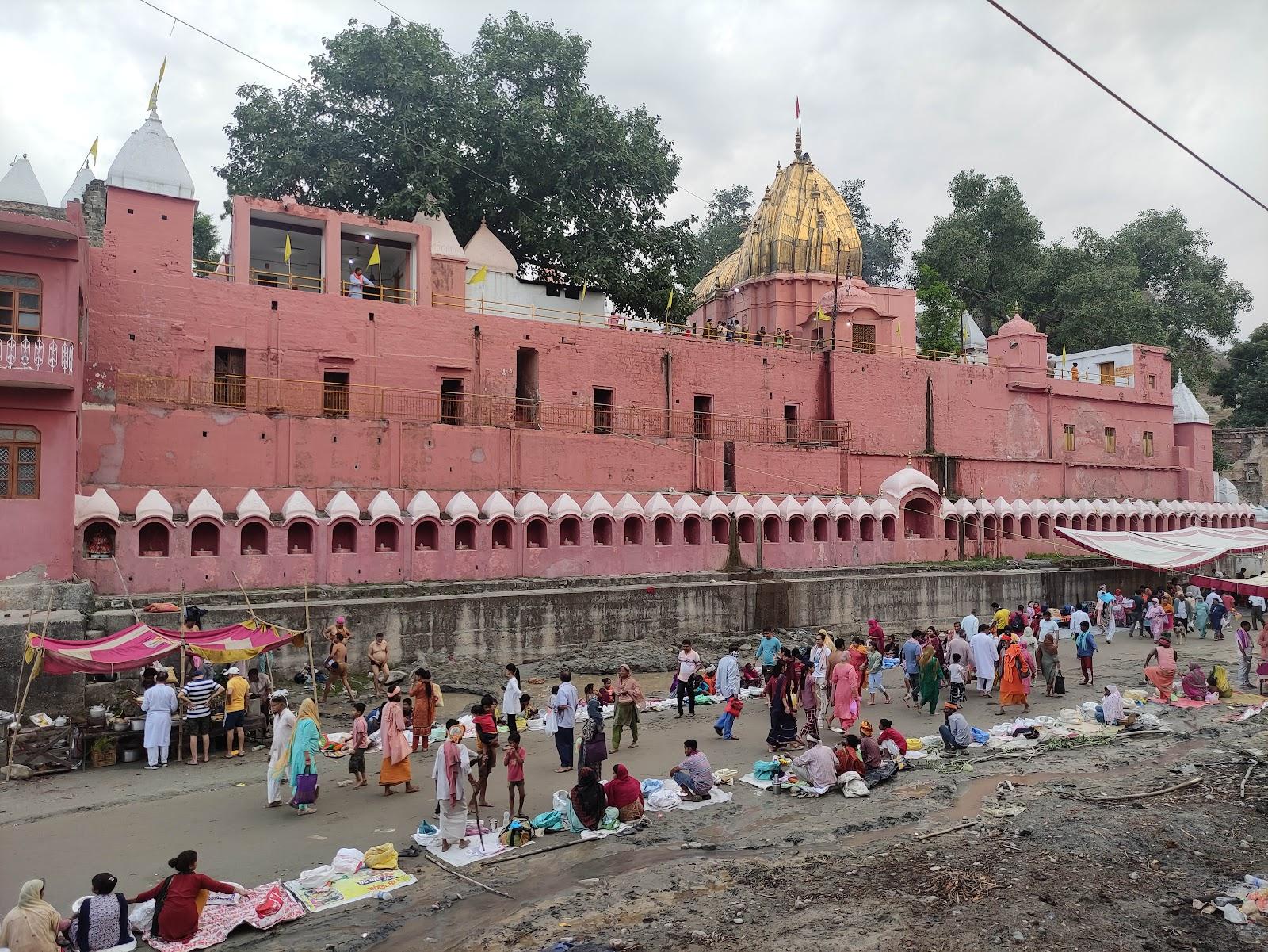
| Devika River Ghats | Udhampur City | Sacred subterranean river documented in 7th-century Nilamata Purana. |
| Sudh Mahadev & Mantalai | Chenani / Mantalai | Ancient Shiva-Parvati pilgrimage landscape with natural Shivling and sacred spring. |
Visual Monument Registry
1947 — Partition, Accession, and Constitutional Evolution
Following the partition of British India, Jammu & Kashmir signed a Standstill Agreement with Pakistan. On 22 October 1947, Pakistan-backed tribal raiders invaded the state. Facing imminent capture of Srinagar, Maharaja Hari Singh signed the Instrument of Accession to India on 26 October 1947, ceding jurisdiction over Defence, External Affairs, and Communications.
📜 26 October 1947 — Accession
Maharaja Hari Singh executes the unconditional Instrument of Accession accepted by Governor-General Lord Mountbatten on 27 October 1947.
⚖️ 1952 — Delhi Agreement
Nehru-Abdullah pact extending Indian citizenship and Supreme Court jurisdiction, alongside state autonomy provisions later formalized under Article 370.
🏛️ 1956 — State Constitution
Adopted on 17 Nov 1956 (in force 26 Jan 1957). Section 3 declared J&K an integral and inseparable part of the Union of India.
⚖️ 2019 Reorganisation & 2023 SC Verdict
Abrogation of Article 370 on 5 Aug 2019 creating UT of J&K and UT of Ladakh; unanimously upheld by the Supreme Court 5-judge Constitution Bench on 11 Dec 2023.
State Emblems & Historic Political Leadership
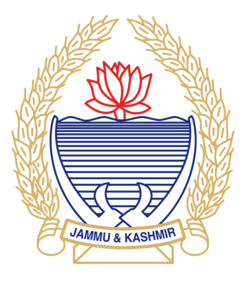
State Emblem of J&K
Royal Dogra emblem featuring lotus, sun rays, and twin mountain peaks.

Historic J&K Flag
Red flag with 3 white stripes (Jammu, Kashmir, Ladakh) & white plough.
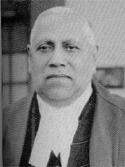
Mehr Chand Mahajan
Prime Minister of J&K during 1947 Accession; later 3rd Chief Justice of India.
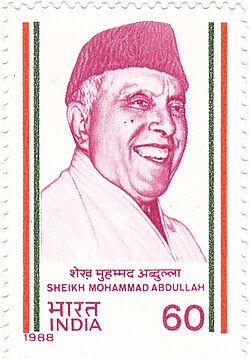
Sheikh Abdullah
Founder of National Conference; 1st elected Head of Government (1947–1953).
🎯 JKSSB & UPSC High-Yield Exam PYQ Practice Vault
Solve authentic previous-year questions on J&K history, administrative reforms, treaties, and constitutional developments: