JAMMU & KASHMIR NATURAL BIOSPHERE

Discover the Sacred & Wild

From the riverine valleys of Dachigam where the critically endangered Hangul stag roams, to the 15,000-ft frozen crags where the ghost-like Snow Leopard prowls — explore the protected national parks, sovereign predators, working domestic breeds, sacred alpine flora, and diverse habitats of the Western Himalayas.

🦌 Rare Wild Fauna ↓ 🍁 Sacred Trees & Flora ↓ 🏔️ Natural Habitats ↓
MONARCH OF DACHIGAM CRITICALLY ENDANGERED
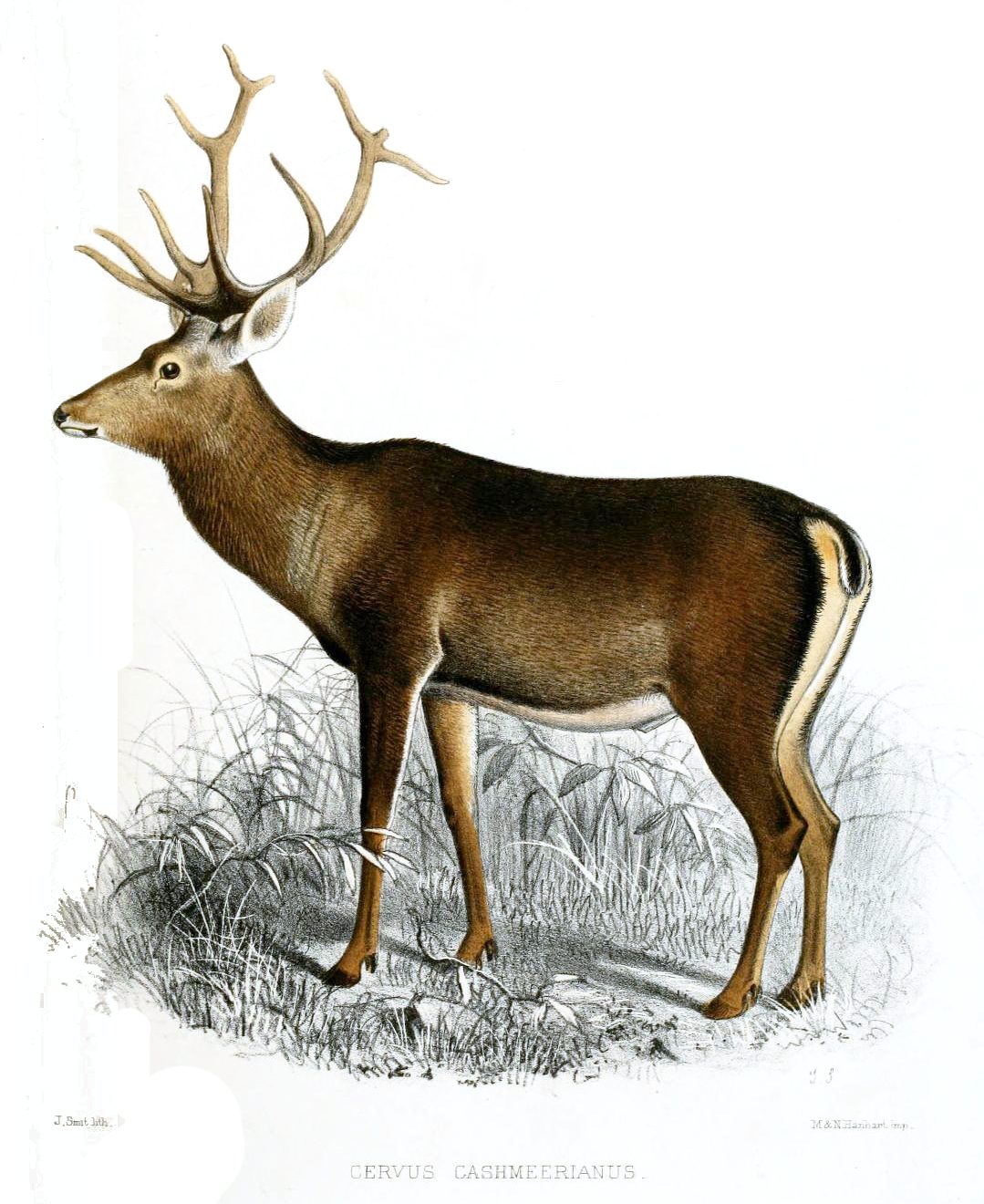
Hangul Kashmir Red Deer Stag

Hangul (Kashmir Stag)

The last surviving Asiatic red deer subspecies on Earth. Roams exclusively in the Dagwan river basin of Dachigam National Park.

Primary Sanctuary: Dachigam National Park, Srinagar
🔍
VERTICAL HIMALAYAN ECOLOGY

From Shivalik Foothills to Glacial Screes

Select an elevation belt to explore how species adapt from the subtropical bamboo scrubs of Jammu to the sub-zero oxygen-deprived peaks of Zanskar and Hemis:

ZONE 1 • 500M - 1,500M

Shivalik Foothills

Subtropical broadleaf & pine scrub of Jammu, Kathua, and Surinsar.

Key Species: Common Leopard, Barking Deer, Softshell Turtle, Bamboo.
ZONE 2 • 1,500M - 2,800M

Temperate Deodar & Valley

Riverine forests & majestic conifer belts of Dachigam, Patnitop, Kishtwar.

Key Species: Hangul Stag, Black Bear, Chinar, Himalayan Deodar, Monal.
ZONE 3 • 2,800M - 3,800M

Subalpine Birch & Meadows

Rhododendron scrubs & alpine meadows across Gulmarg, Kazinag, Overa-Aru.

Key Species: Musk Deer, Markhor, Brown Bear, Blue Poppy, Bhojpatra.
ZONE 4 • 3,800M - 5,500M

High Glacial Screes & Steppe

Oxygen-deprived cold desert crags of Hemis, Changthang, and Zanskar.

Key Species: Snow Leopard, Tibetan Wolf, Kiang, Blue Sheep, Pashmina Goat, Yak.
PHENOLOGY & SEASONS

Himalayan Wildlife Calendar

SPRING • MARCH TO MAY

The Great Awakening

Himalayan Black Bears emerge from deep winter dens with cubs. Apple orchards burst into fragrant white blossoms across Shopian, and Himalayan Monal pheasants begin vibrant courtship displays.

Top Sighting: Monal courtship in Gulmarg & Overa-Aru.
SUMMER • JUNE TO AUGUST

Alpine Bloom & High Dhoks

Subalpine meadows above 3,500m are carpeted with wild Himalayan Blue Poppies, primulas, and gentians. Gujjar and Bakarwal pastoralists migrate with flocks to high alpine pastures (*Dhoks*).

Top Sighting: Blue Poppies near Apharwat & Gangabal cirques.
AUTUMN • SEPT TO NOV

The Hangul Rutting Season

Male Hangul stags challenge rivals with echoing guttural roars throughout Dachigam's Dagwan valley. Chinar canopies transform into fiery crimson, and Saffron blooms across Pampore.

Top Sighting: Hangul stags in Lower Dachigam riverine forest.
WINTER • DEC TO FEB

The Ghost of the Peaks

Snow Leopards descend to lower valley ridges in Hemis and Kishtwar following blue sheep. Over half a million migratory waterfowl arrive from Siberia to Hokersar and Gharana wetlands.

Top Sighting: Snow Leopard tracking in Rumbak Valley & Kishtwar.
SOVEREIGN HIMALAYAN FAUNA

Rare Wild Mammals & Sovereign Predators

reliable biological gazetteer of protected Western Himalayan carnivores, high alpine ungulates, and stealth predators:

Hangul Kashmir Stag Dachigam STATE ANIMAL CRITICALLY ENDANGERED
Cervus hanglu hanglu

Hangul (Kashmir Stag)

The only surviving Asiatic subspecies of European red deer. Recognized by its magnificent 11 to 16-point antler spread, dark brown winter coat, and white rump patch. Found exclusively in Dachigam National Park.

  • Primary Sanctuary: Dachigam National Park
  • Diet: Herbivorous riverine browse
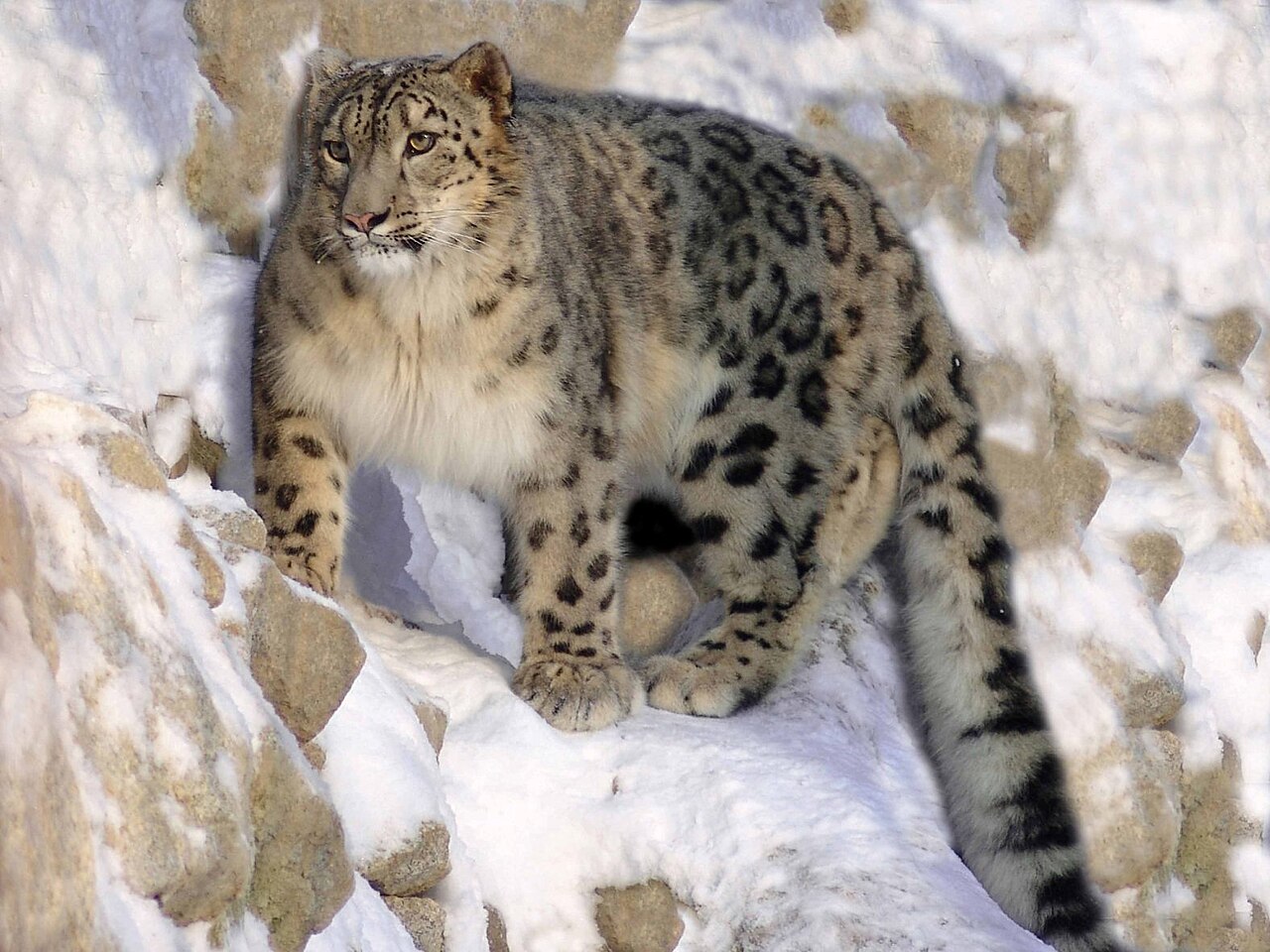
Snow Leopard Ghost of Mountains APEX PREDATOR VULNERABLE (IUCN)
Panthera uncia

Snow Leopard (Ghost of Mountains)

Supreme master of vertical mountain cliffs. Adapted with wide fur-cushioned paws that act as natural snowshoes, thick smoke-grey rosette fur, and a 1-meter thick tail for balance along sheer precipices.

  • Elevation Belt: 3,000m to 5,500m
  • Sanctuaries: Kishtwar High Altitude & Hemis
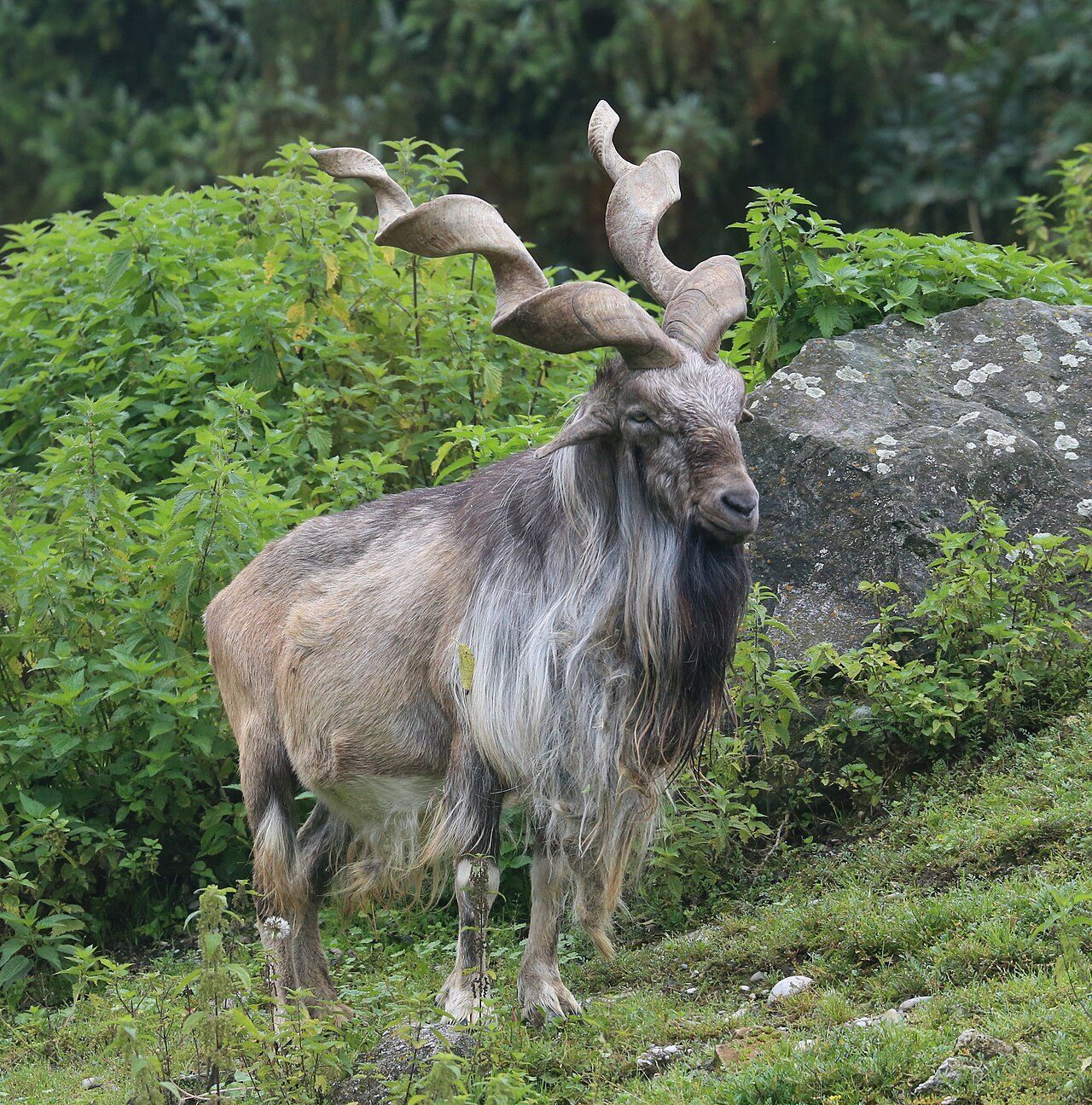
Flare Horned Markhor Kazinag SCREW-HORNED MONARCH NEAR THREATENED
Capra falconeri cashmiriensis

Flare-Horned Markhor

The world's largest wild goat species, famed for its massive corkscrew-shaped horns that can measure up to 1.6 meters. A legendary cliff jumper inhabiting the rugged pine-clad ravines of Pir Panjal and Kazinag.

  • Horn Length: Up to 160 cm corkscrew spread
  • Sanctuaries: Kazinag, Hirpora, Limber
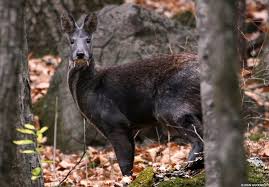
Kashmir Musk Deer Saber Fangs FANGED HERBIVORE ENDANGERED (IUCN)
Moschus cupreus

Kashmir Musk Deer (Kasturi Mrig)

Solitary herbivore equipped with curved saber-like canine tusks in males. Inhabits high-altitude birch and rhododendron scrubs across Overa-Aru, Gulmarg, and Kishtwar.

  • Key Trait: Elongated saber canine tusks
  • Elevation: 2,500m to 3,800m
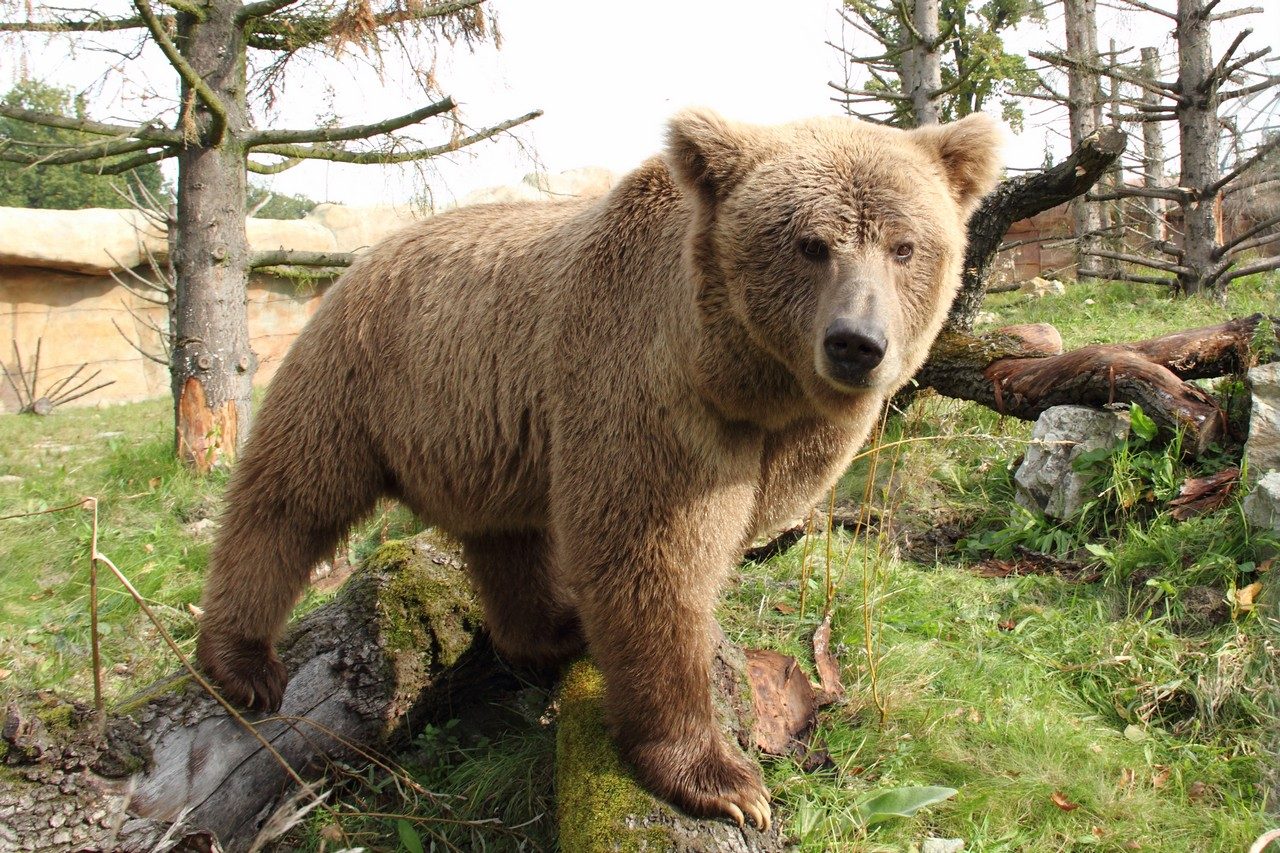
Himalayan Brown Bear Lal Bhalu HEAVY CARNIVORE CRITICALLY ENDANGERED
Ursus arctos isabellinus

Himalayan Brown Bear (Lal Bhalu)

Heaviest carnivore in the Western Himalayas with a thick reddish-sand coat. Hibernates for months in mountain dens across Sonamarg, Drass, Gurez, and Paddar.

  • Winter Denning: Extended hibernation under snow
  • Habitat: Sonamarg, Drass, Gurez
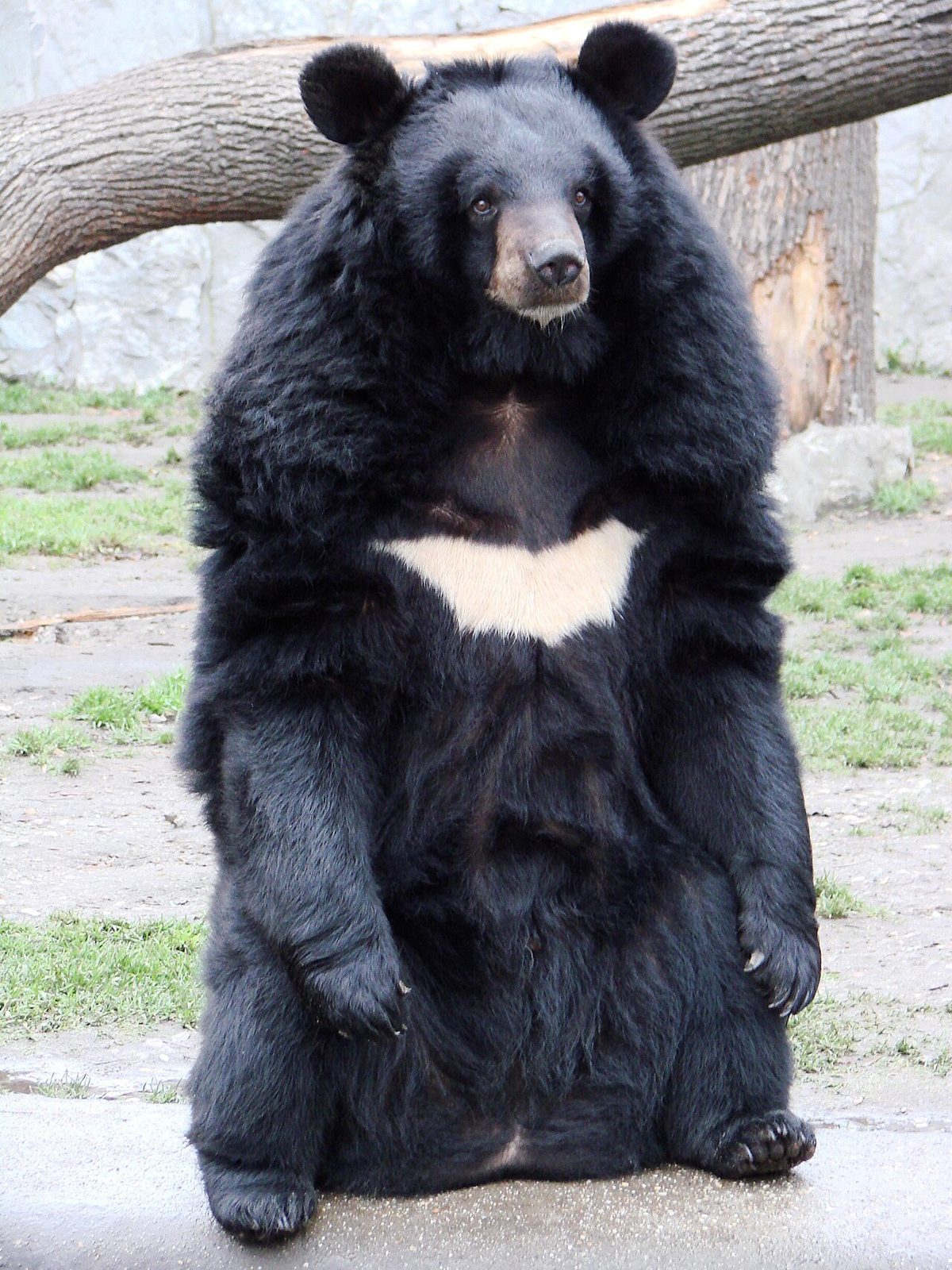
Himalayan Black Bear Moon Bear FOREST ZONE FORAGER VULNERABLE (IUCN)
Ursus thibetanus

Himalayan Black Bear (Kala Bhalu)

The Asiatic Moon Bear, adorned with a cream-white crescent chevron on its chest. An expert tree climber that feeds on wild acorns, walnuts, and honeycombs.

  • Diet: Walnuts, acorns, honeycombs
  • Range: Lower Dachigam, Overa, Rajouri
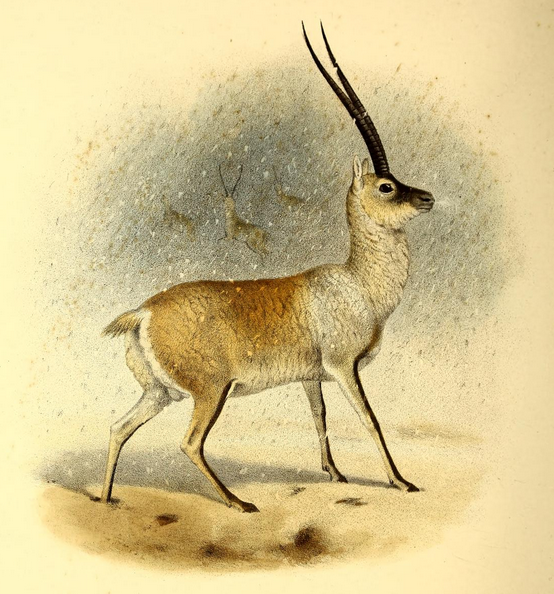
Tibetan Antelope Chiru High Plateau HIGH PLATEAU ANTELOPE NEAR THREATENED
Pantholops hodgsonii

Tibetan Antelope (Chiru)

Celebrated for the male's slender, lyre-shaped black horns. Inhabits windswept alpine steppes above 4,500 meters. The source of ultra-fine down historically harvested for royal shawls, now strictly protected.

  • Sanctuary: Changthang Cold Desert Plateau
  • Elevation: 4,000m to 5,500m
Tibetan Wolf High Plateau APEX CANINE ENDANGERED
Canis lupus chanco

Tibetan Wolf

Ancient canine lineage adapted to extreme hypoxia and sub-zero plateaus. Roams the windswept grasslands of Changthang and high Kishtwar ridges in packs.

  • Pack Prey: Kiang, Blue Sheep, Marmots
  • Elevation: 3,500m to 5,200m
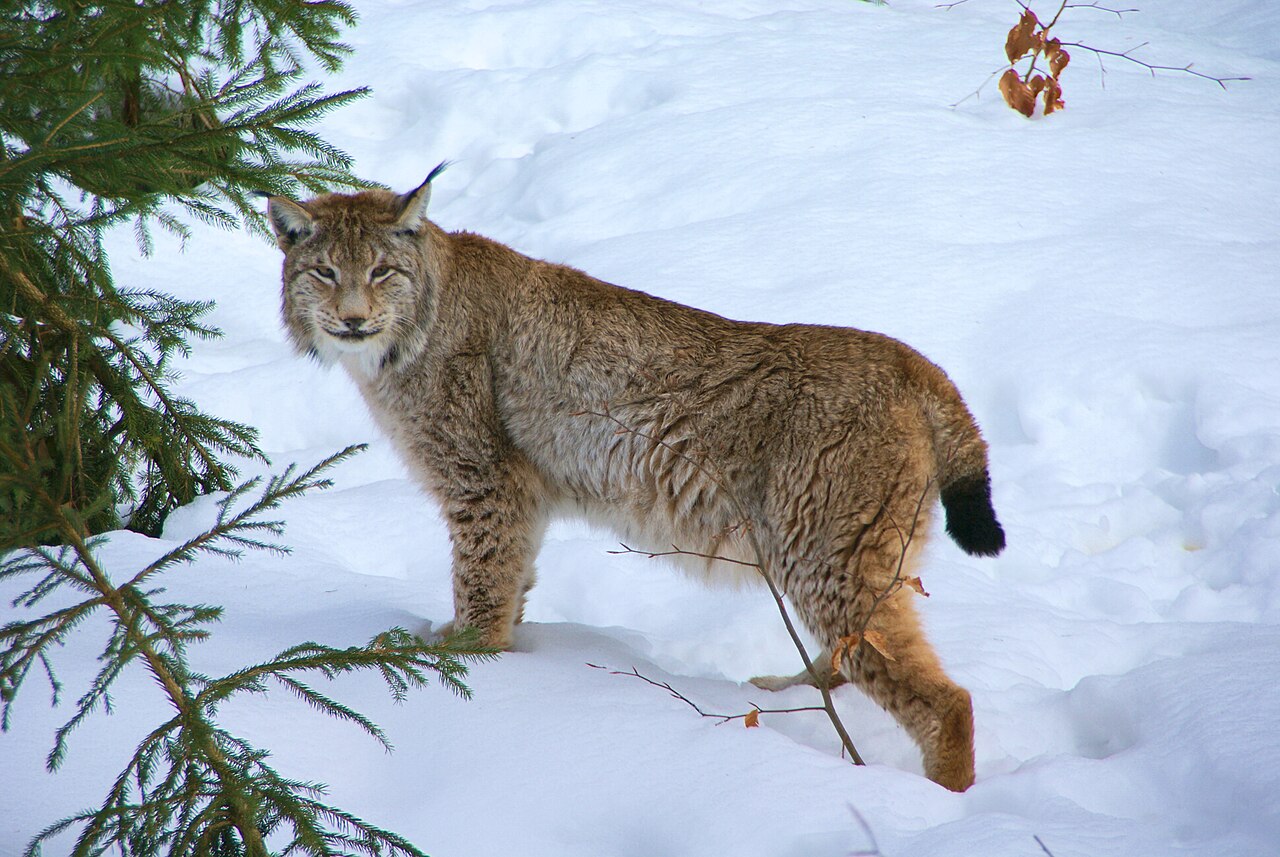
Eurasian Lynx Central Asian Subspecies TUFTED-EAR PREDATOR LEAST CONCERN
Lynx lynx isabellinus

Central Asian Lynx

Equipped with prominent black ear tufts that act as sensitive hearing collectors and padded snowshoe paws that glide silently over mountain snowdrifts.

  • Hearing Tufts: Detect distant prey footsteps
  • Habitat: Steep scrub cliffs & screes
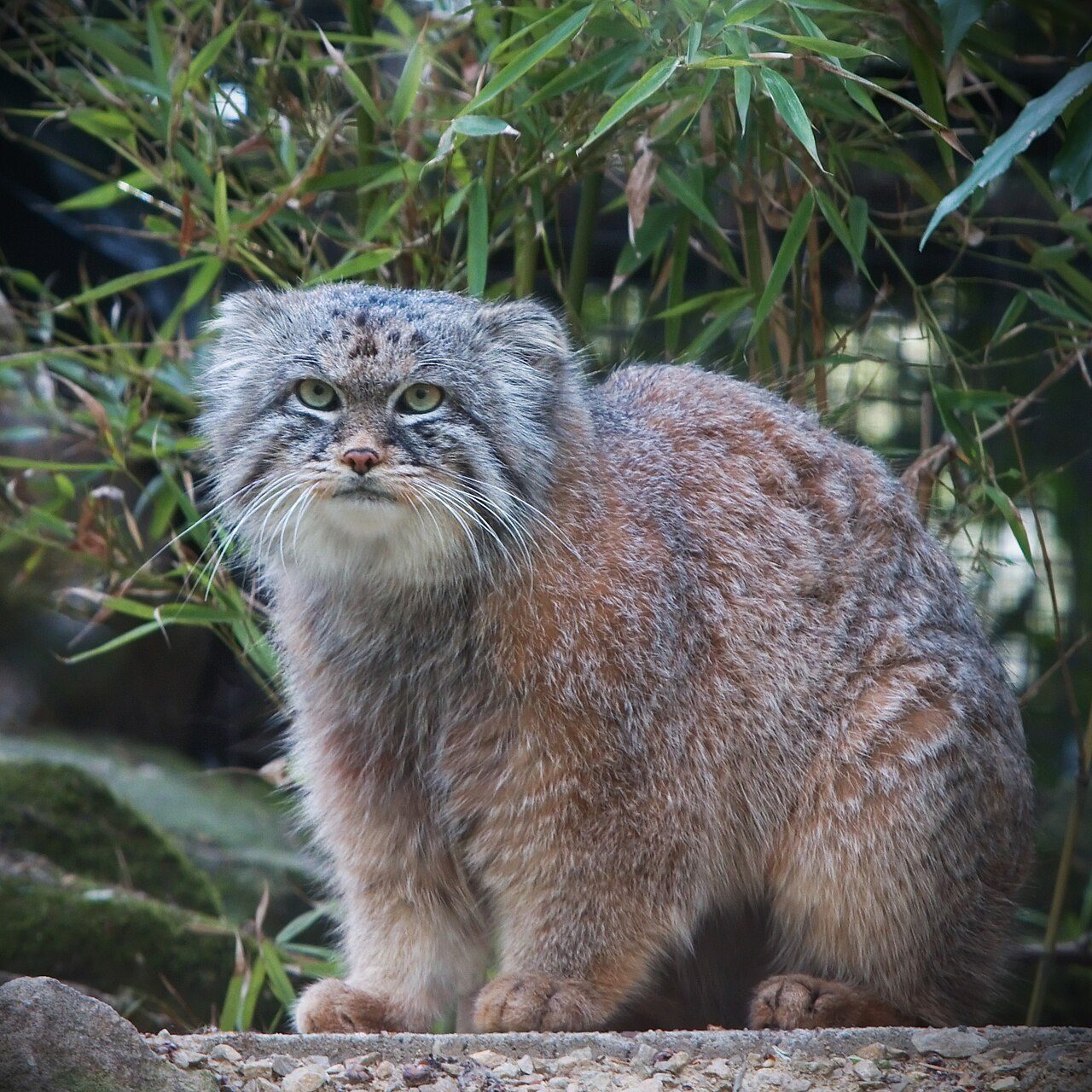
Pallas Cat Manul High Steppe STEPPE SPECIALIST LEAST CONCERN
Otocolobus manul

Pallas's Cat (Manul)

Possesses the densest fur of any felid on Earth with low-set ears for stalking behind rocks on open barren plateaus. Expert high-altitude pika predator.

  • Thermal Fur: Dense insulating hair layer
  • Altitude: Above 4,000 meters
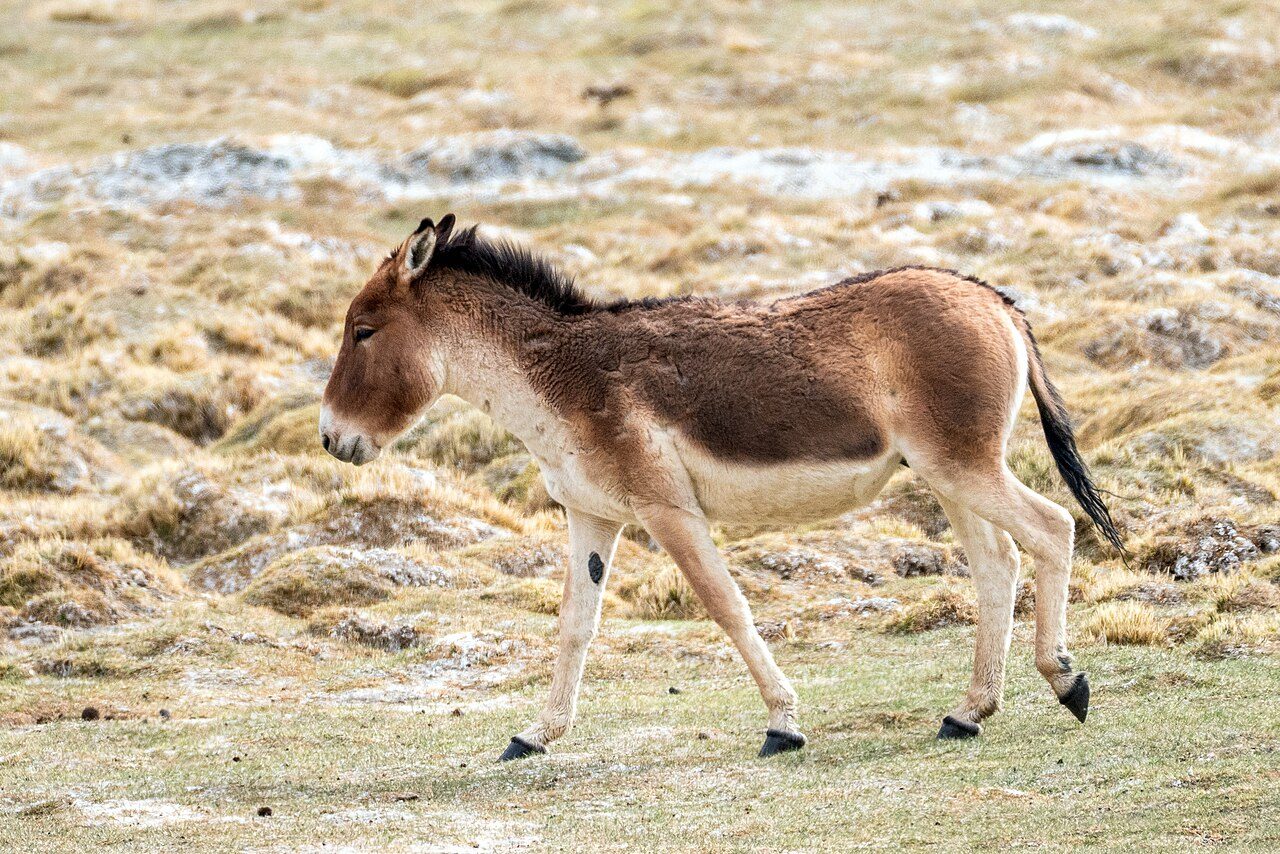
Kiang Tibetan Wild Ass Plains WILD EQUID LEAST CONCERN
Equus kiang

Kiang (Tibetan Wild Ass)

The largest of all wild asses, featuring a rich chestnut coat and white underparts. Gallops swiftly across open alpine desert plains in the thin air of Changthang.

  • Endurance: Sustained gallop in thin air
  • Plains: Changthang & Tso Kar Basin
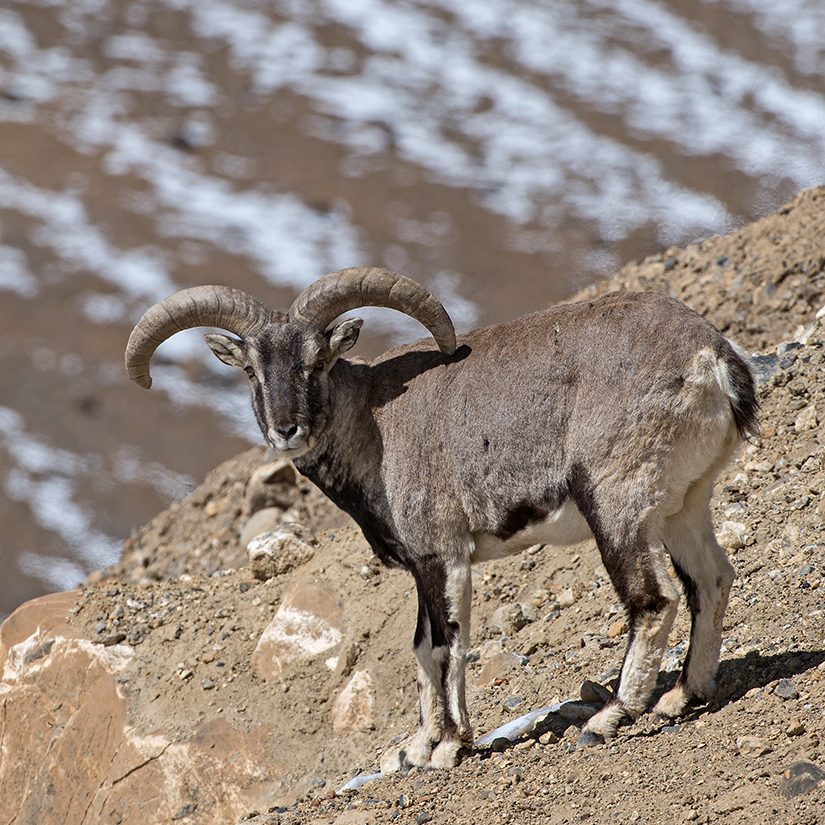
Blue Sheep Bharal Alpine Scree SLATE-GREY UNGULATE LEAST CONCERN
Pseudois nayaur

Blue Sheep (Bharal)

Neither true sheep nor goat. Slate-grey camouflage that matches alpine scree cliffs seamlessly. The indispensable primary prey for snow leopards.

  • Camouflage: Matches mountain rocks perfectly
  • Elevation: 3,000m to 5,500m
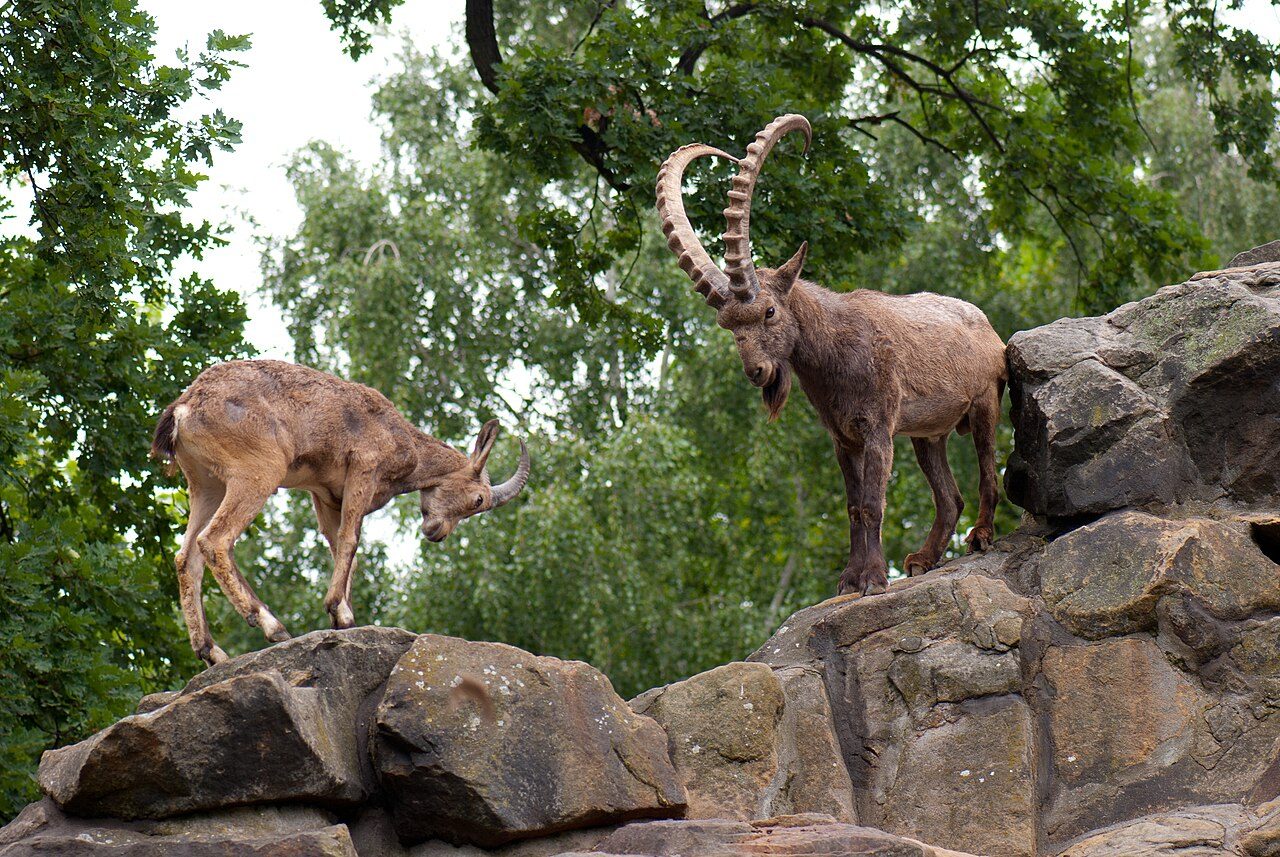
Asiatic Ibex Cliff Precipice CLIFF MASTER LEAST CONCERN
Capra sibirica

Asiatic Ibex

Famed for the male's huge scimitar-shaped swept-back knobby horns. Inhabits vertical rock precipices above the tree line across Pir Panjal, Zanskar, and Kishtwar.

  • Horn Span: Swept-back with prominent ridges
  • Ranges: Pir Panjal, Zanskar, Kishtwar
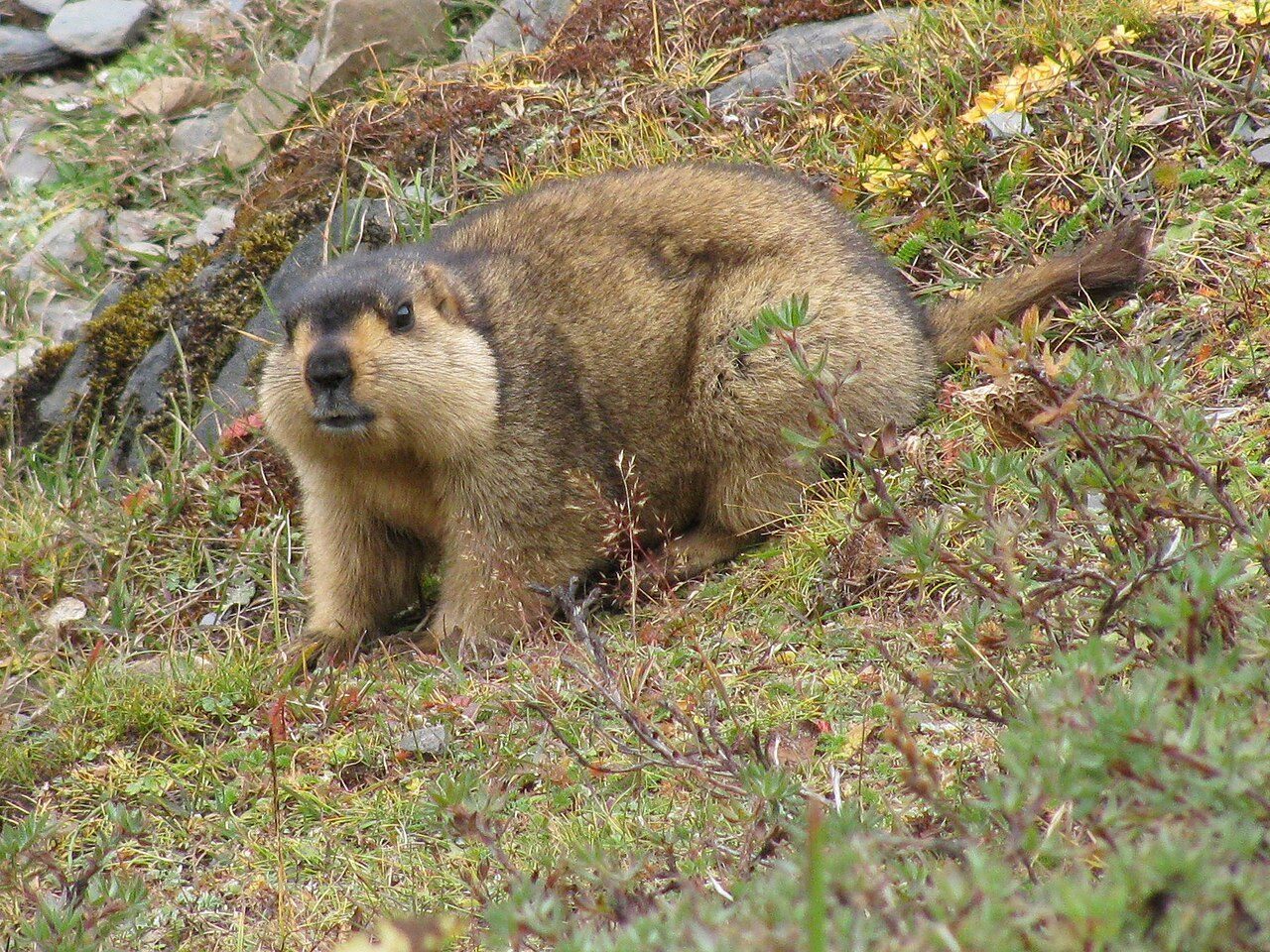
Himalayan Marmot Alpine Burrower COLONIAL BURROWER LEAST CONCERN
Marmota himalayana

Himalayan Marmot

Large burrowing ground squirrel living in expansive colonies on open high alpine pastures. Emits high-pitched sentinel warning whistles when eagles or foxes appear.

  • Hibernation: Hibernates in deep subterranean burrows
  • Location: Zoji La, Drass, Changthang
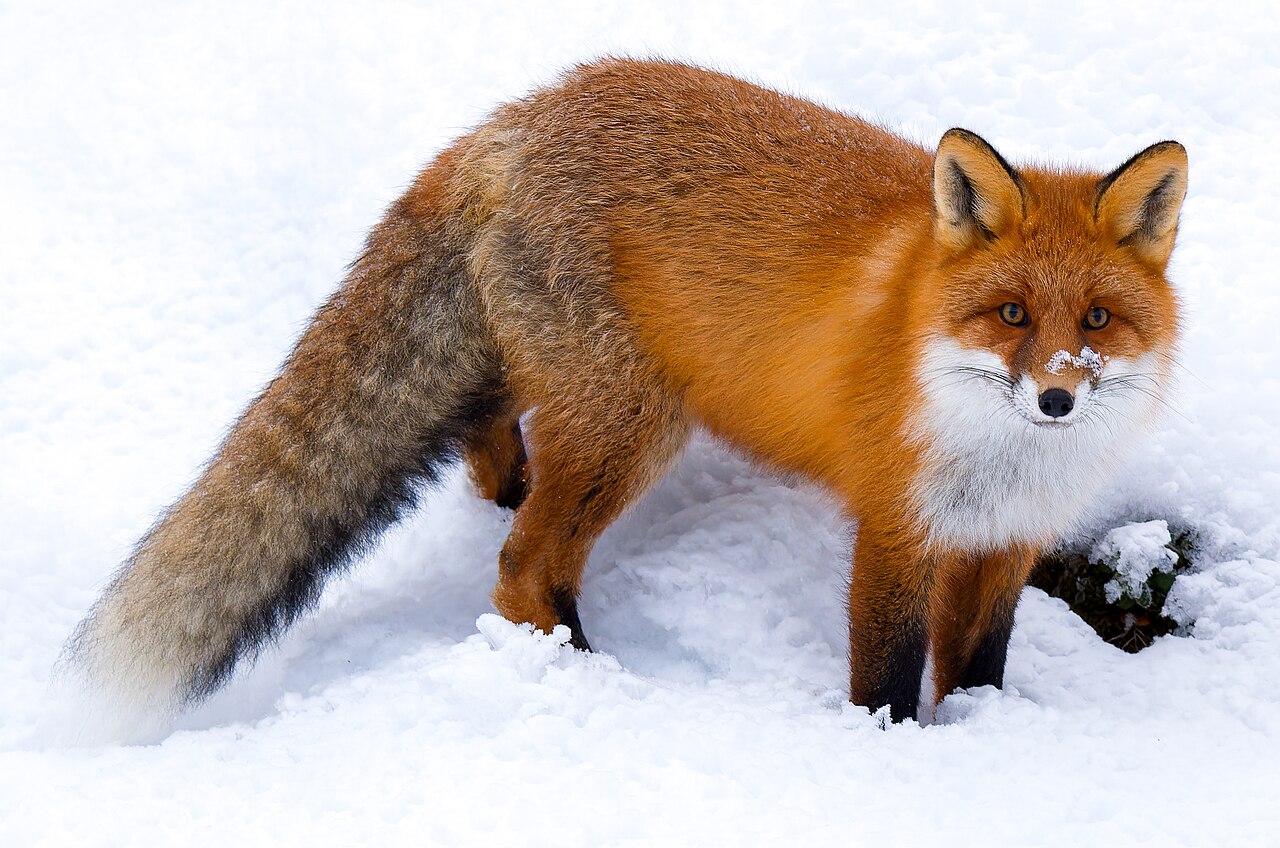
Himalayan Red Fox Winter Coat HIMALAYAN CANID LEAST CONCERN
Vulpes vulpes montana

Himalayan Red Fox

Features exceptionally dense, long winter fur and a white-tipped bushy tail. Expert mouser stalking pikas, marmots, and voles across snowy alpine meadows.

  • Fur: Dense cold-resistant winter pelt
  • Distribution: Gulmarg, Gurez, Drass
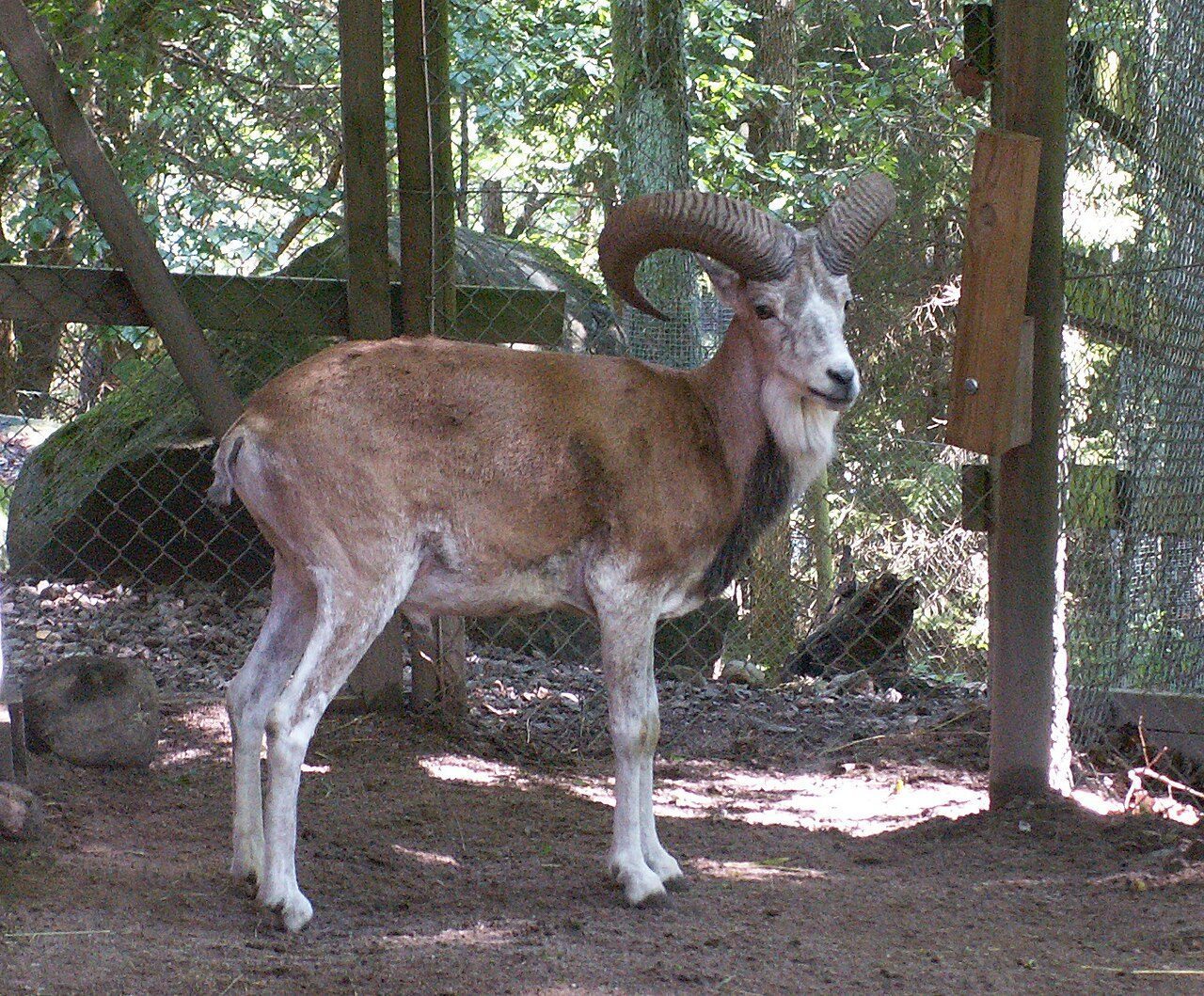
Ladakh Urial Shapo Wild Sheep INDIGENOUS WILD SHEEP VULNERABLE (IUCN)
Ovis vignei vignei

Ladakh Urial (Shapo)

Smallest of the wild sheep of Asia. Males sport backward-curving horns and a black-and-white neck ruff. Inhabits open grassy river valleys and gentle mountain slopes.

  • Distinctive: Chestnut coat with throat ruff
  • Valleys: Indus & Shayok River Valleys
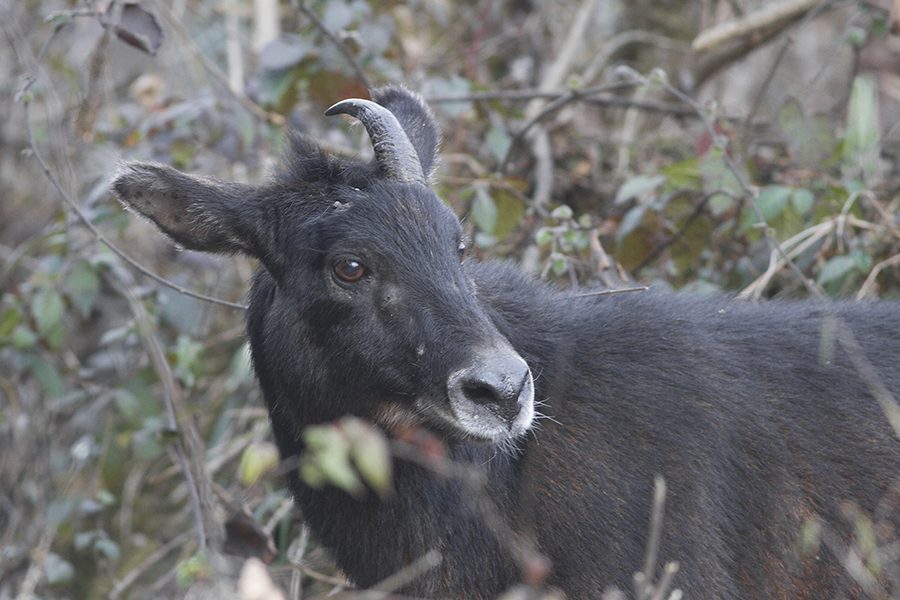
Himalayan Serow Goat Antelope GOAT-ANTELOPE VULNERABLE (IUCN)
Capricornis sumatraensis thar

Himalayan Serow

Elusive goat-antelope with a stout donkey-like body, dark coat, white mane, and short conical horns. Inhabits steep, densely vegetated gorges in Dachigam and Overa.

  • Habitat: Steep rocky forested ravines
  • Sanctuary: Upper Dachigam & Overa-Aru
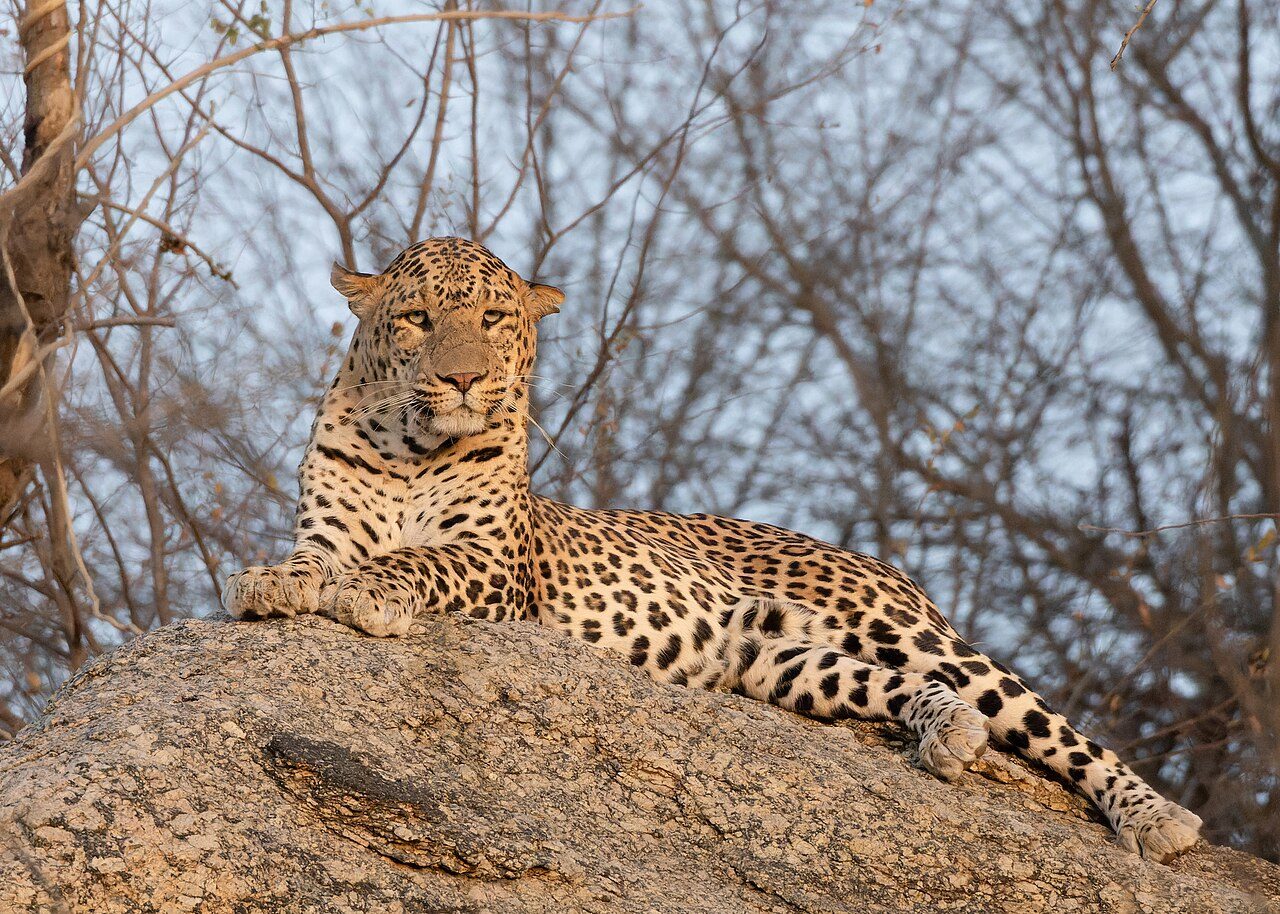
Common Indian Leopard Forest VALLEY CARNIVORE VULNERABLE (IUCN)
Panthera pardus fusca

Common Leopard

Master of stealth stalking through pine forests and subtropical scrubs of Jammu and Lower Kashmir. Highly adaptable predator preying on barking deer, wild boar, and monkeys.

  • Range: Shivalik belt to temperate valley forests
  • Sanctuaries: Jasrota, Ramnagar, Dachigam
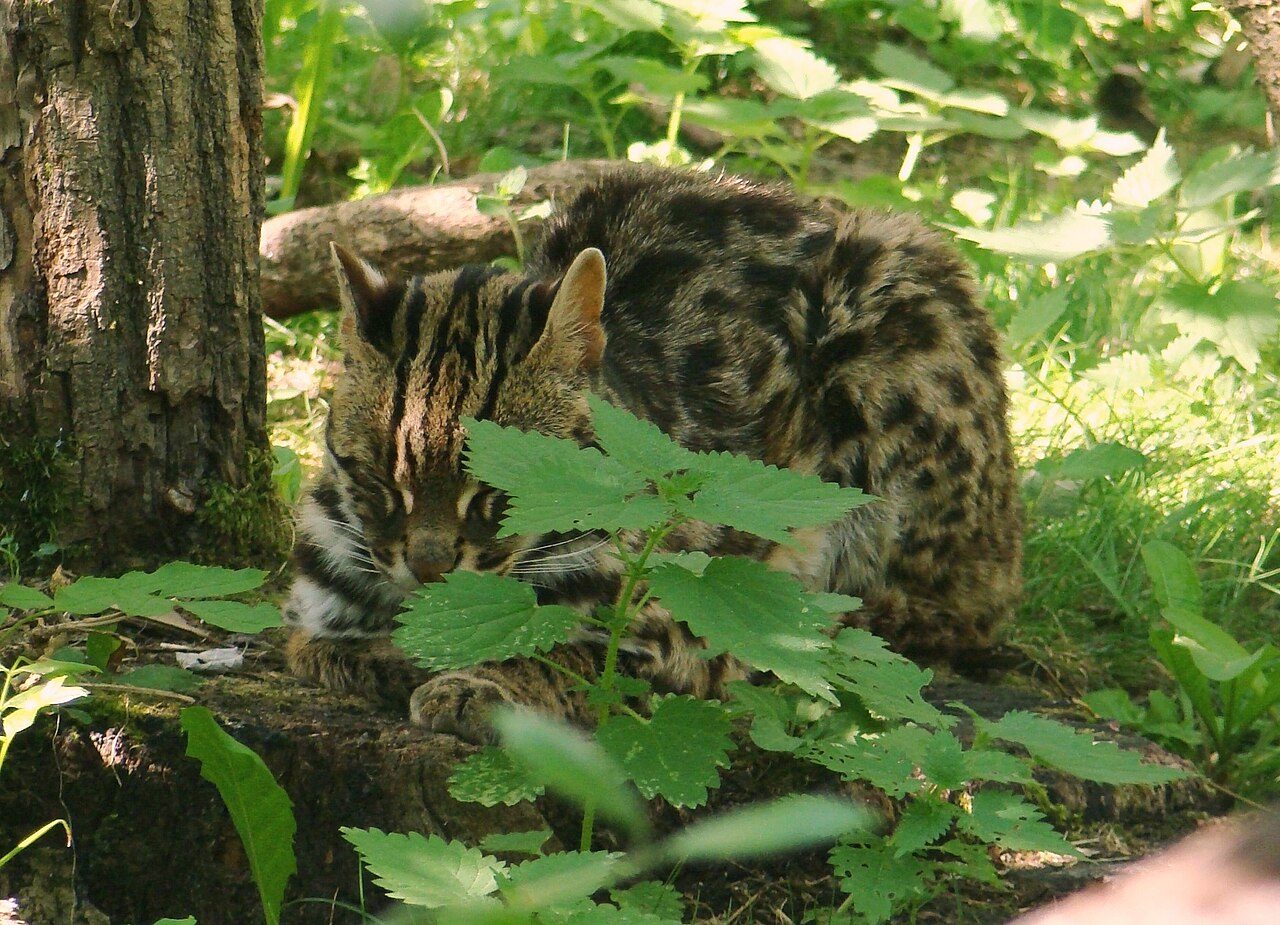
Himalayan Leopard Cat Nocturnal Felid SMALL FELID LEAST CONCERN
Prionailurus bengalensis

Leopard Cat

Small, graceful nocturnal felid about the size of a domestic cat, marked with striking miniature leopard rosettes. Expert nocturnal hunter in dense riverside undergrowth.

  • Activity: Strictly nocturnal stalker
  • Diet: Rodents, lizards, forest birds
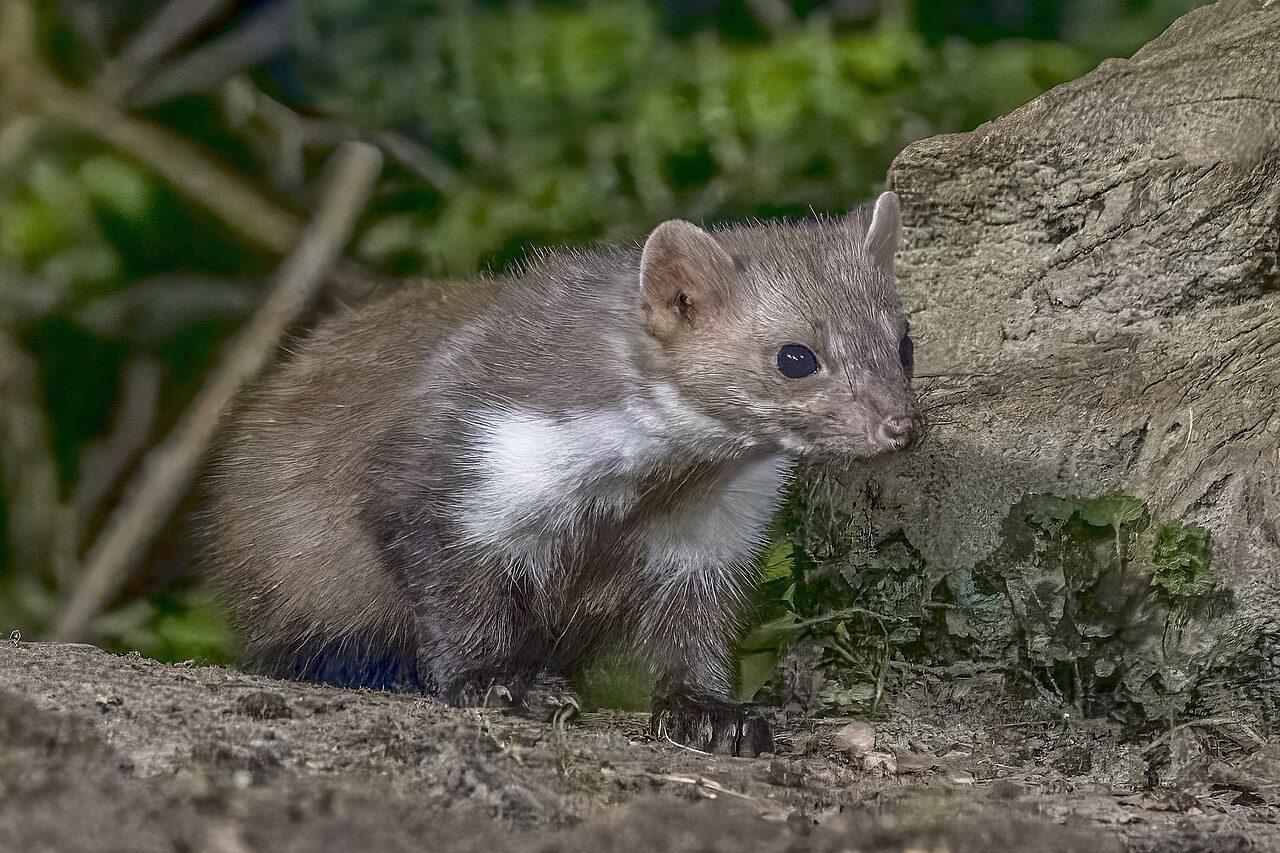
Beech Marten Stone Marten AGILE MUSTELID LEAST CONCERN
Martes foina

Beech Marten (Stone Marten)

Slender carnivore with a luxurious brown coat and pure white bifurcated chest patch. Inhabits rocky mountain slopes and open alpine woodlands with remarkable agility.

  • Trait: White forked throat bib
  • Habitat: Dachigam, Gulmarg, Zanskar
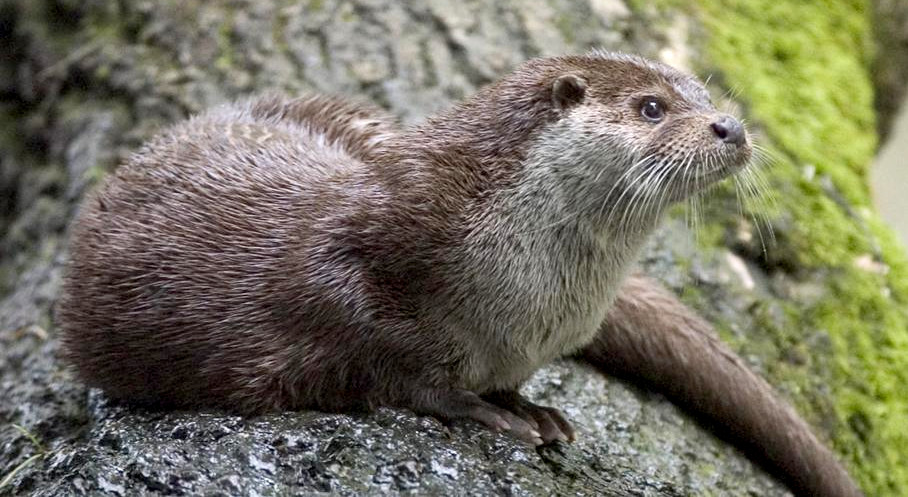
Himalayan River Otter Cold Stream AQUATIC CARNIVORE NEAR THREATENED
Lutra lutra

Eurasian River Otter

Semi-aquatic predator of pristine mountain rivers and glacial torrents. Streams smoothly through fast coldwater currents hunting wild brown and rainbow trout.

  • Rivers: Lidder, Sind, Dagwan, Jhelum
  • Prey: Mountain trout & freshwater crabs
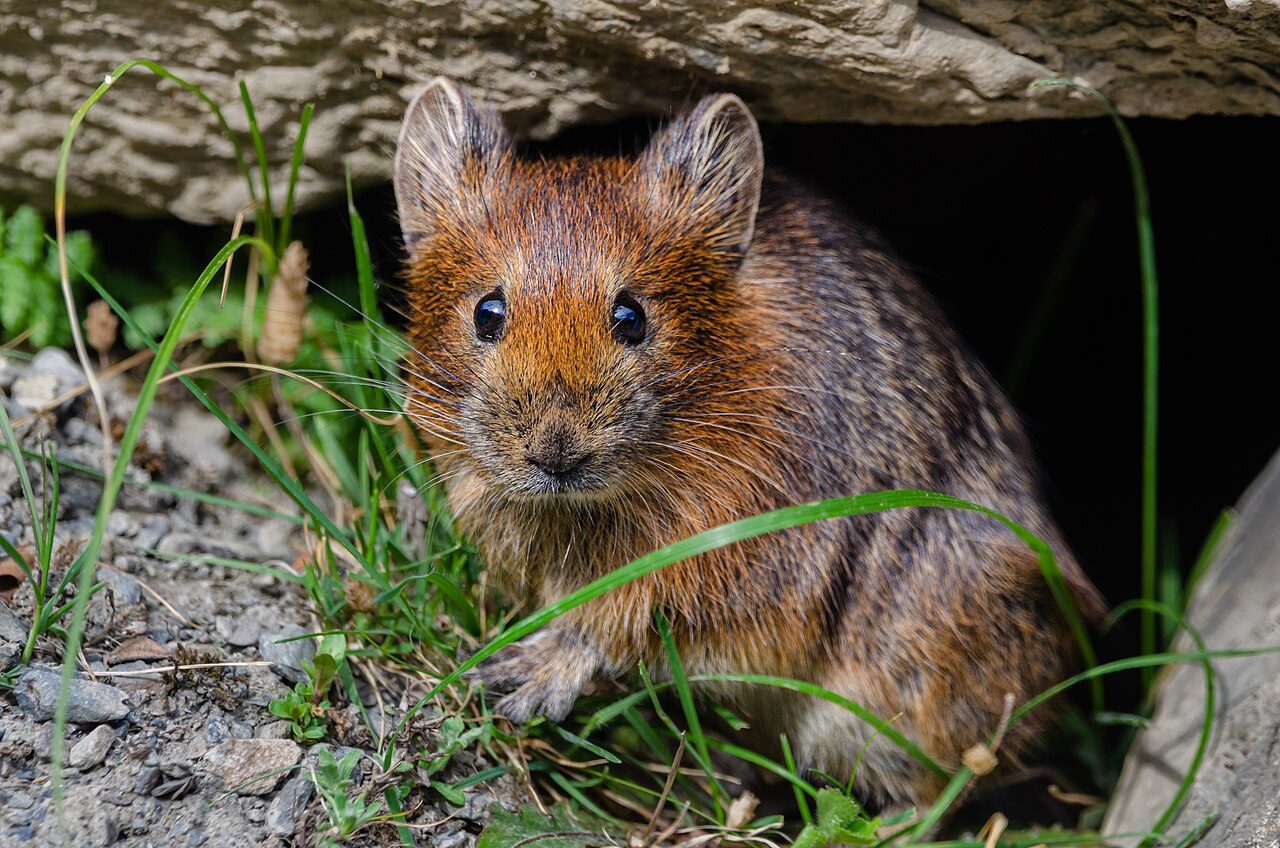
Royle's Pika Himalayan Rock Rabbit HIMALAYAN ROCK RABBIT LEAST CONCERN
Ochotona roylei

Royle's Pika

Small tailless lagomorph inhabiting high-altitude rock falls and boulder fields. Unlike marmots, pikas do not hibernate; instead, they harvest summer alpine grasses into haypiles for winter food.

  • Behavior: Cures alpine grasses into winter haypiles
  • Altitude: 2,400m to 4,300m
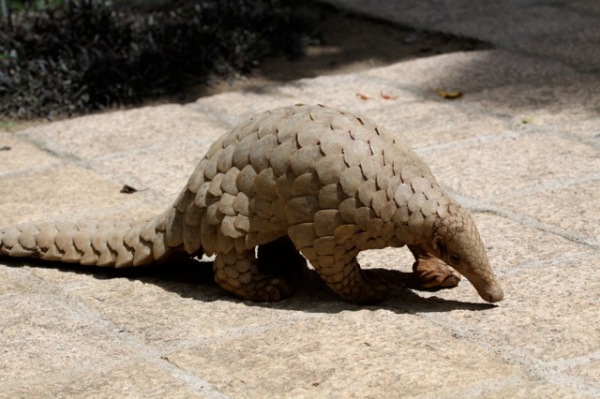
Indian Pangolin Scaly Anteater SCALY MAMMAL ENDANGERED (IUCN)
Manis crassicaudata

Indian Pangolin

Armored with overlapping keratin scales. Solitary and nocturnal insectivore with powerful curved claws adapted for digging out ant and termite nests across Jammu Shivalik forests.

  • Protection: Keratin scales & rolling defense ball
  • Sanctuaries: Jasrota & Samba forest belts
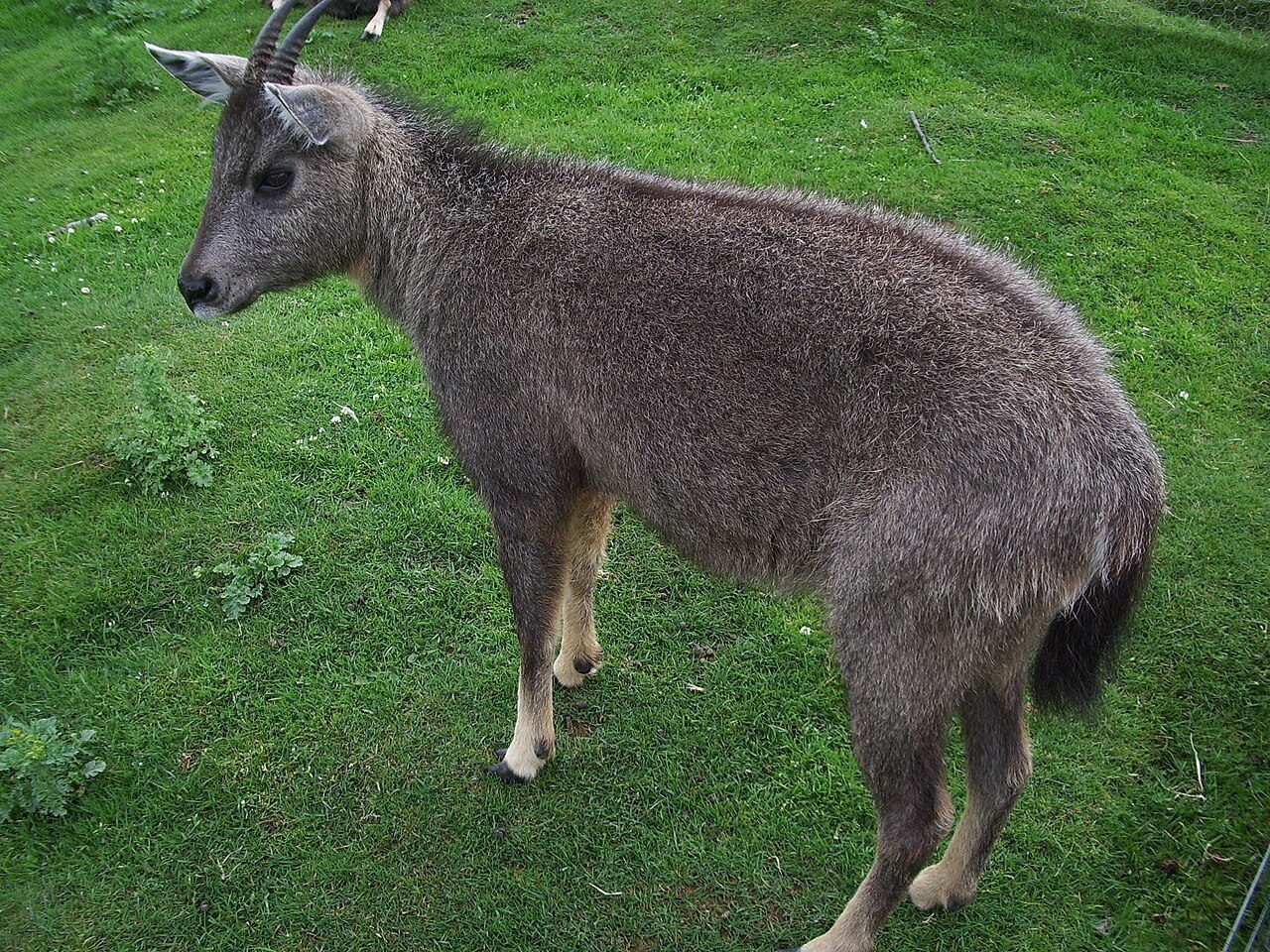
Himalayan Goral Cliff Dweller CLIFF DWELLER NEAR THREATENED
Naemorhedus goral

Himalayan Goral

Small agile goat-antelope that inhabits steep craggy slopes and rocky bluffs of the Shivalik hills and lower Pir Panjal. Blends into vertical cliff faces with greyish-brown camouflage.

  • Key Trait: Exceptional cliff jumping agility
  • Sanctuaries: Surinsar-Mansar & Jasrota
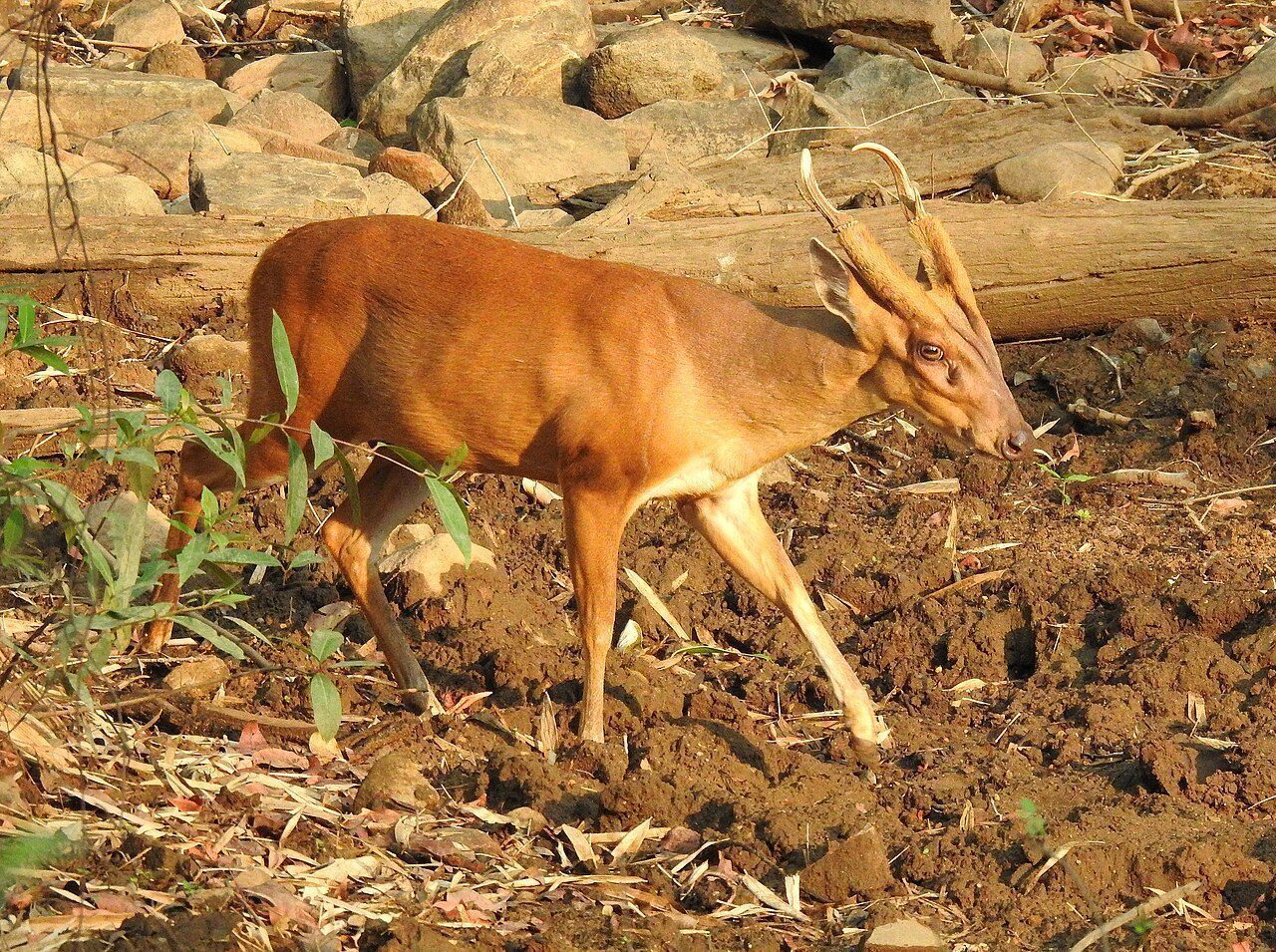
Indian Muntjac Barking Deer Kakar SHIVALIK CERVID LEAST CONCERN
Muntiacus muntjak (Kakar)

Barking Deer (Indian Muntjac)

Small, solitary forest deer renowned for its deep, barking alarm call when predators approach. Males possess short, unbranched antlers mounted on long bony pedicels and protruding upper canines.

  • Alarm: Loud canine-like bark in dense scrub
  • Sanctuaries: Jasrota, Ramnagar, Mansar
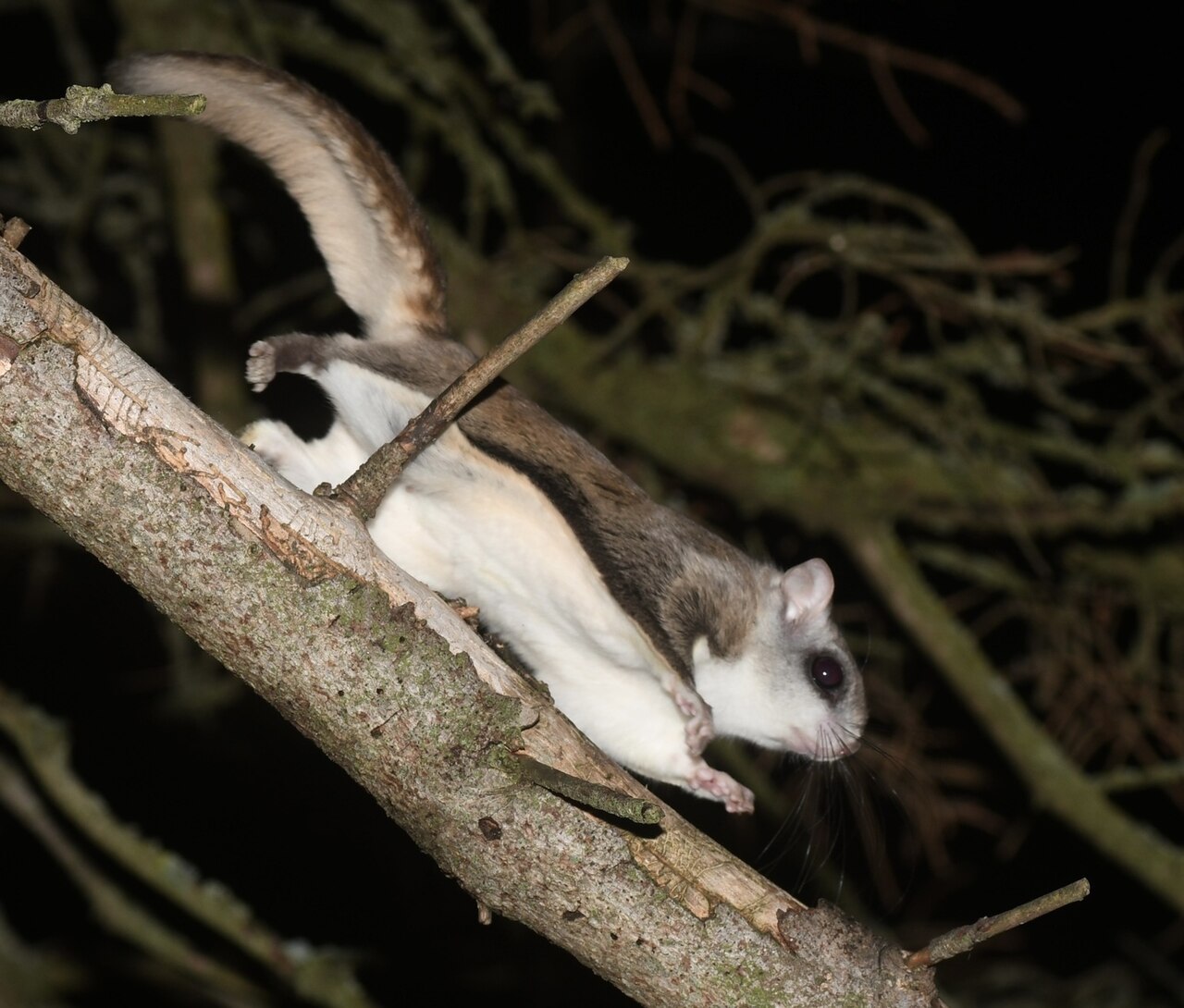
Kashmir Flying Squirrel Canopy Glider CANOPY GLIDER LEAST CONCERN
Hylopetes fimbriatus

Kashmir Flying Squirrel

Nocturnal arboreal squirrel equipped with a specialized gliding membrane (*patagium*) between its limbs, enabling it to glide gracefully between high deodar and fir trees at night.

  • Habit: Glides silently between tree crowns
  • Canopy: Temperate conifer forests of Dachigam & Gulmarg
AVIAN WEALTH OF J&K

High Mountain Raptors, Pheasants & Wetland Birds

From high-altitude raptors riding thermals above the peaks to jewel-like pheasants and international migratory waterfowl:

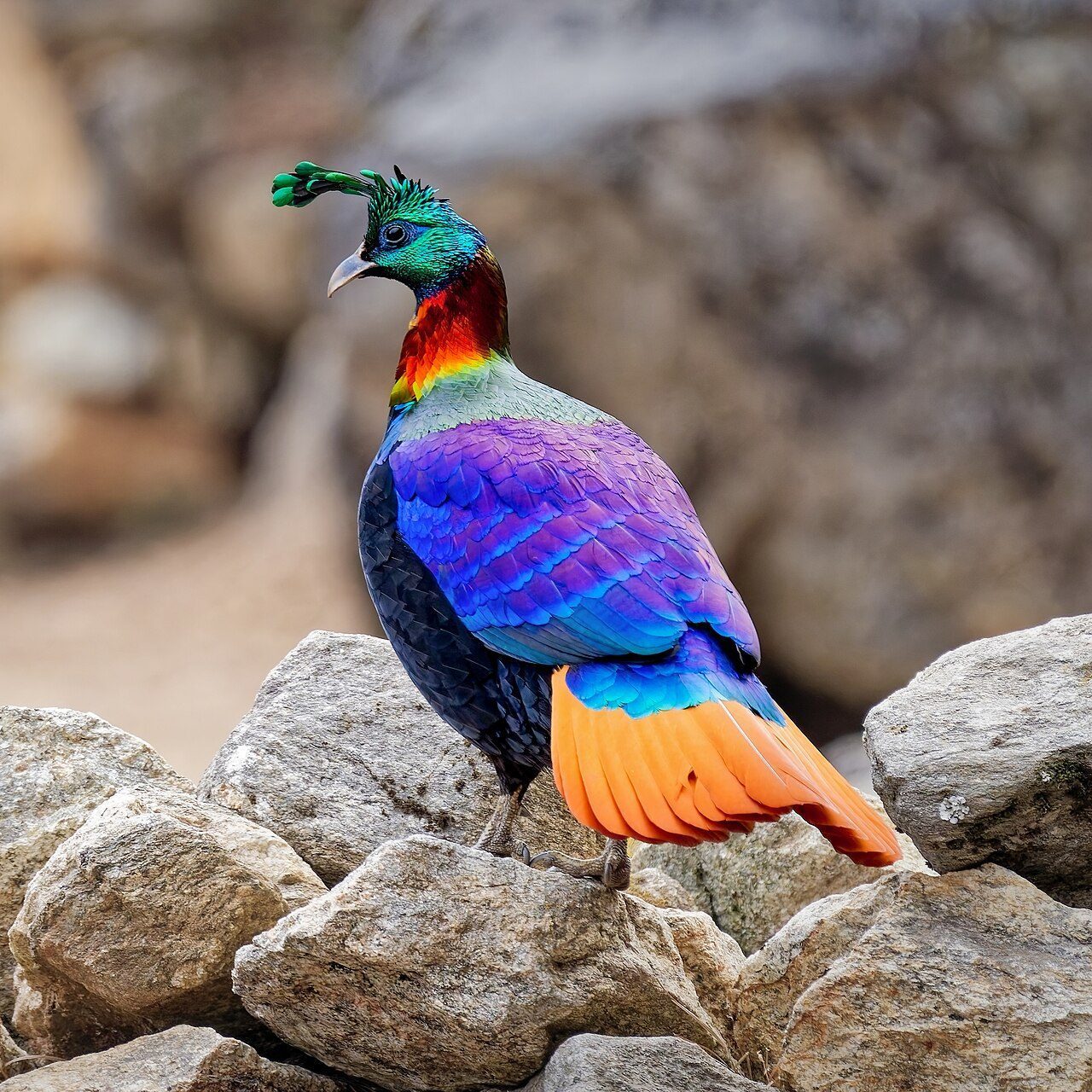
Himalayan Monal Rainbow Pheasant IRIDESCENT PHEASANT LEAST CONCERN
Lophophorus impejanus

Himalayan Monal

One of the most iridescent birds on Earth. Male monals display a kaleidoscope of metallic green, royal purple, copper, and golden-blue plumage with a peacock-like crest.

  • Plumage: Metallic green, purple, and copper
  • Sanctuaries: Gulmarg, Overa, Kishtwar
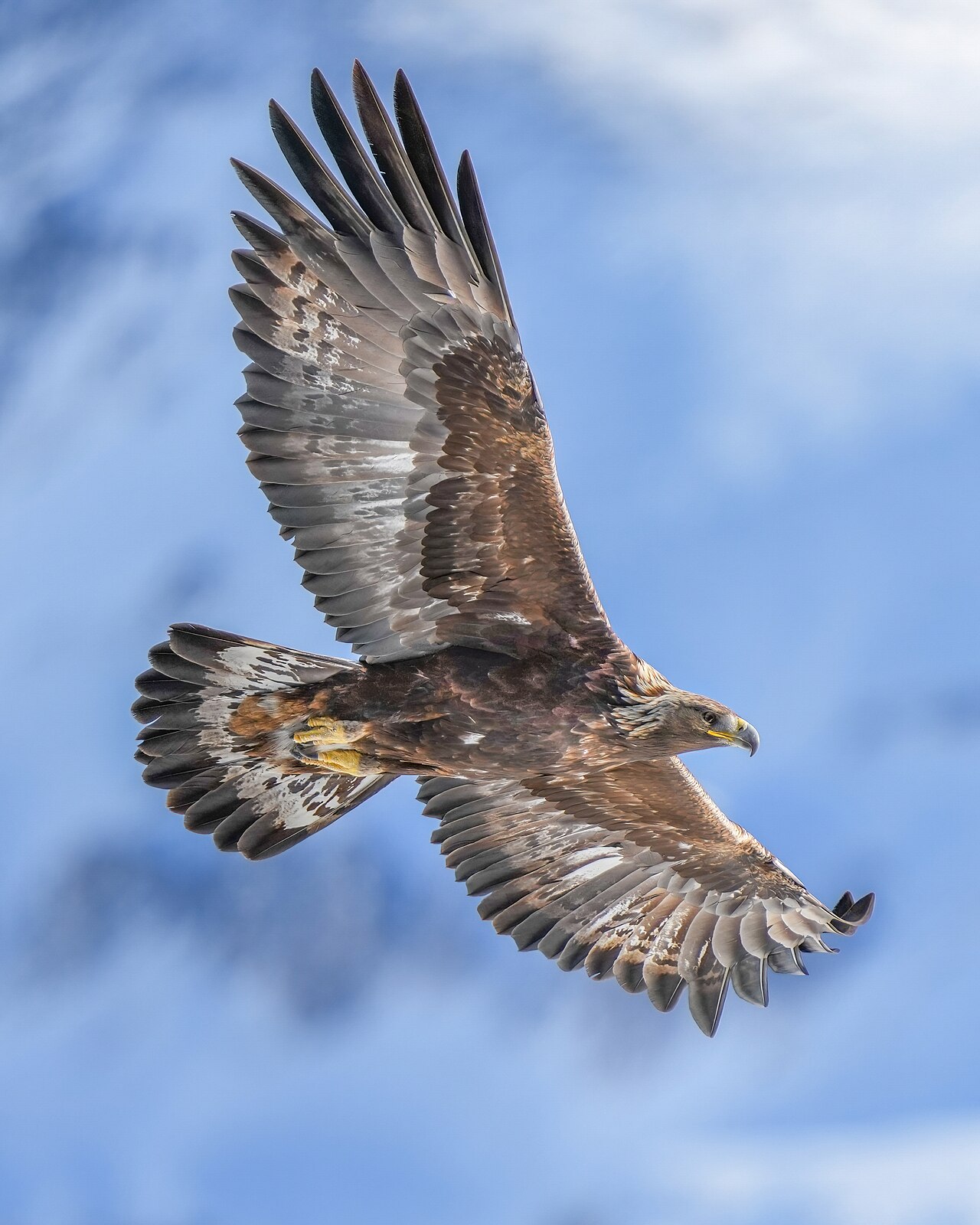
Golden Eagle Soaring High Peaks APEX RAPTOR LEAST CONCERN
Aquila chrysaetos

Golden Eagle

The supreme raptor of the Western Himalayas with a broad wingspan, capable of hunting marmots and mountain hares across Kishtwar and Hemis.

  • Flight: High-velocity dive hunting
  • Habitat: High barren mountain crags
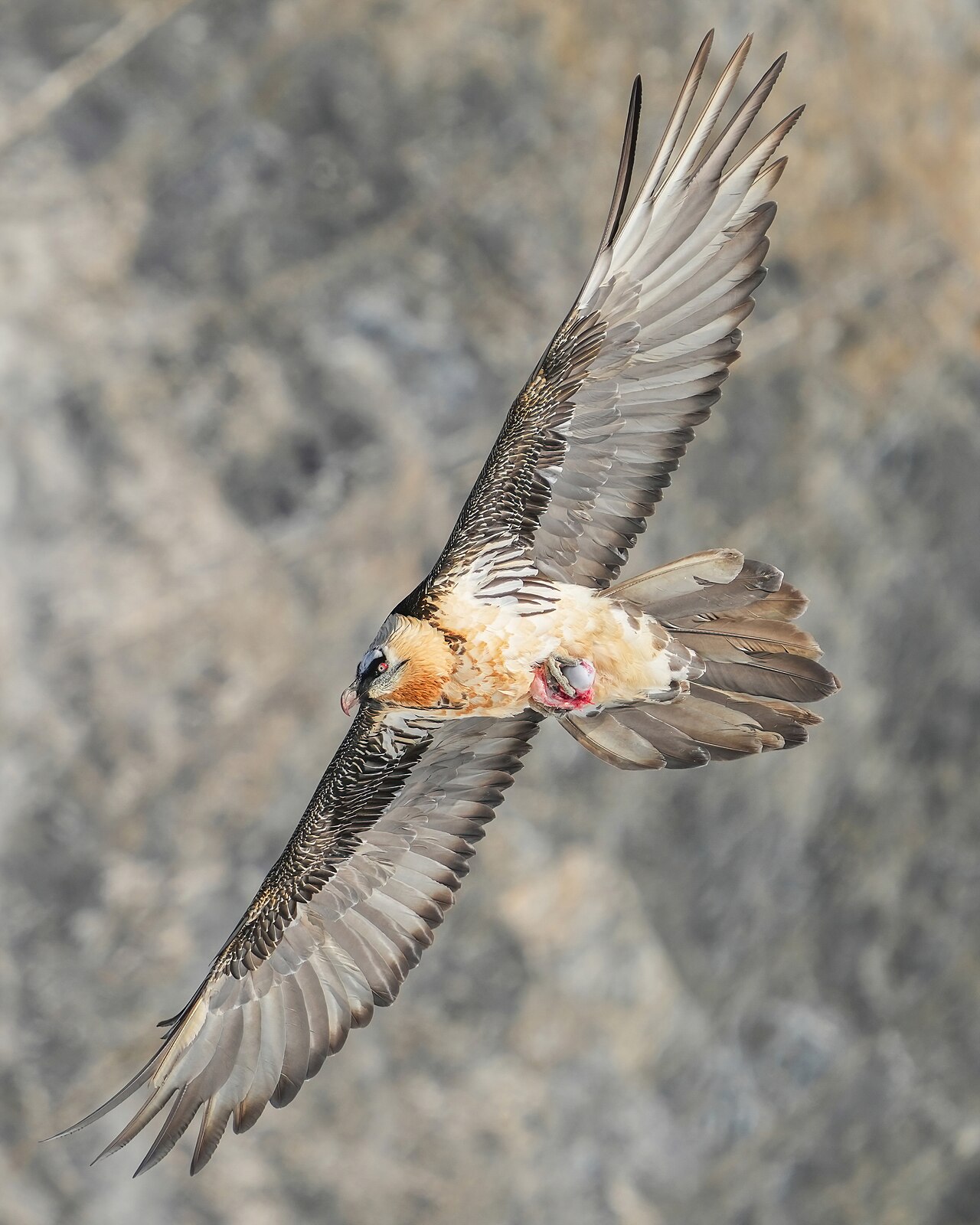
Bearded Vulture Lammergeier Cliff BONE MARROW SPECIALIST NEAR THREATENED
Gypaetus barbatus

Bearded Vulture (Lammergeier)

Unique raptor that lives almost entirely on bone marrow. Drops large bones from heights onto flat rocky slabs (*ossuaries*) to shatter them into edible shards.

  • Diet: Predominantly bone marrow
  • Wingspan: Immense soaring span
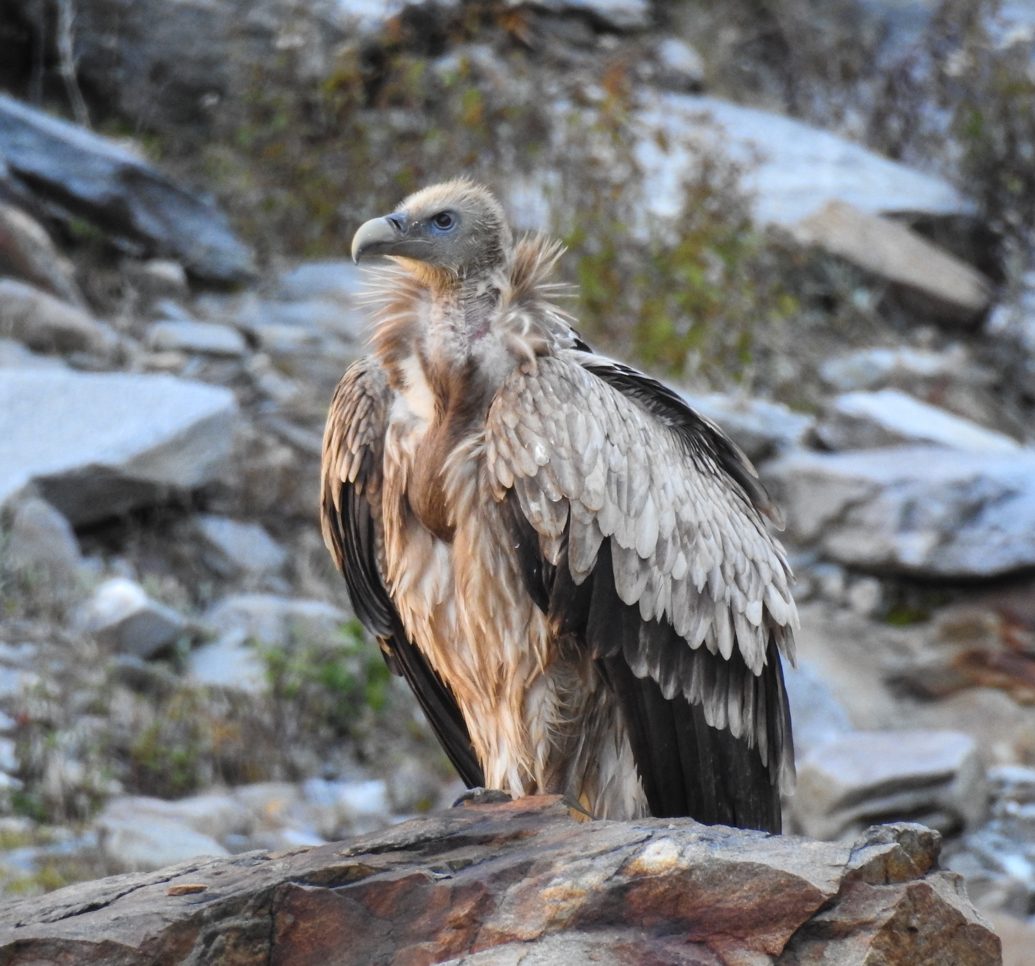
Himalayan Griffon Vulture HIGH SCAVENGER NEAR THREATENED
Gyps himalayensis

Himalayan Griffon Vulture

Massive true vulture of the high Himalayas with pale buff-white plumage and broad wings. Roosts on sheer inaccessible cliff shelves, performing essential ecological cleanup.

  • Ecological Role: Sanitary cleaner of mountain pastures
  • Roosts: High limestone cliff faces
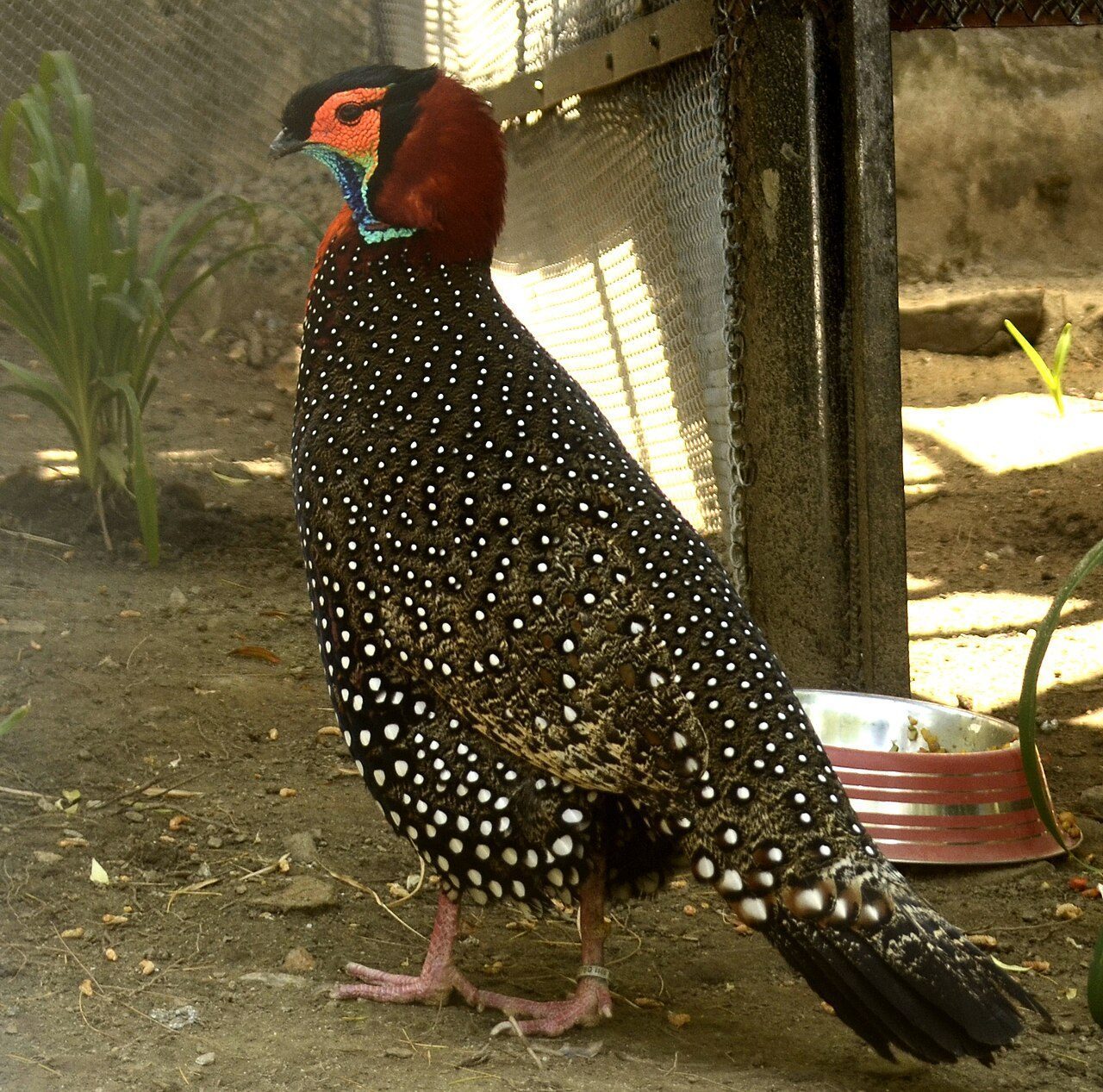
Western Tragopan Horned Pheasant HORNED PHEASANT VULNERABLE (IUCN)
Tragopan melanocephalus

Western Tragopan (Juyal)

One of the rarest pheasants in the world. Male displays crimson neck wattles, blue facial skin, and white pearl spots scattered over a dark reddish-black body.

  • Display: Inflates fleshy horns and neck wattle
  • Sanctuary: Kazinag & Limber Wildlife Sanctuary
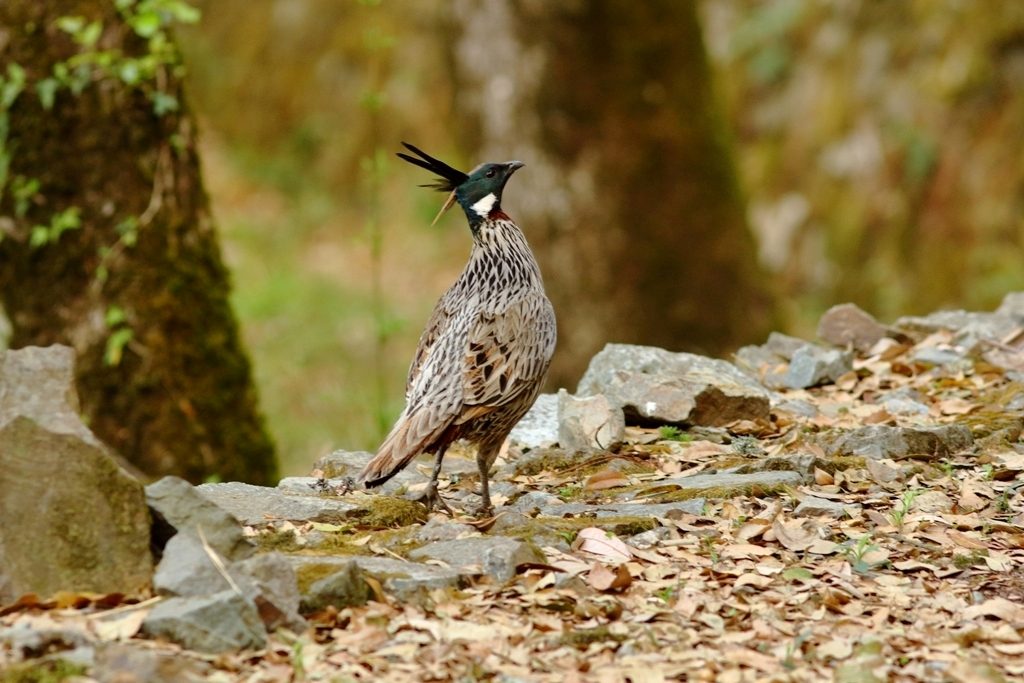
Koklass Pheasant Crested FOREST PHEASANT LEAST CONCERN
Pucrasia macrolopha

Koklass Pheasant

Fastest-flying pheasant in the mountains, equipped with a long golden-brown crest and green-sheened head. Inhabits dense coniferous slopes of fir and oak.

  • Call: Loud territorial morning crowing
  • Distribution: Dachigam, Overa, Bhaderwah
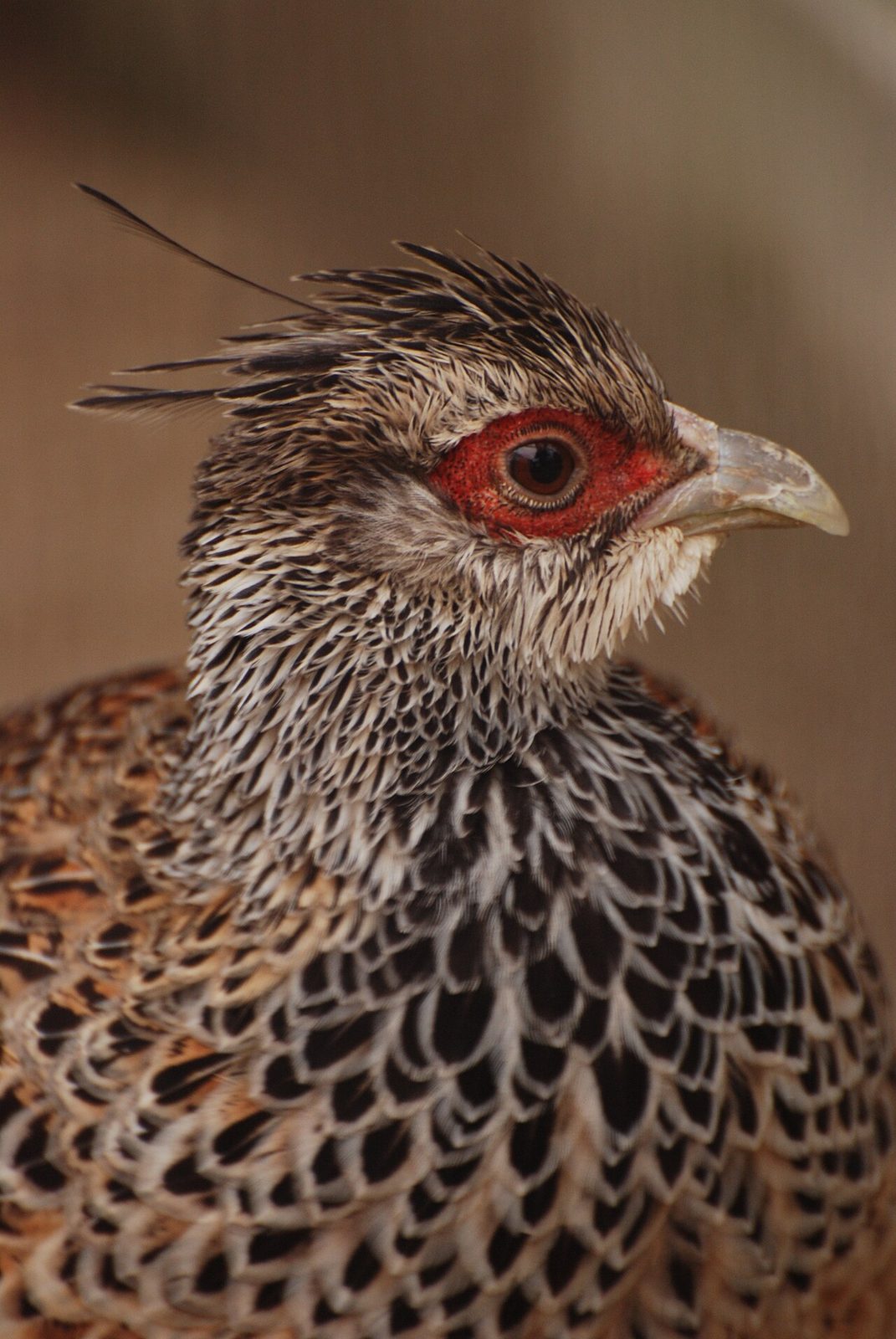
Cheer Pheasant Long Tail LONG-TAILED PHEASANT VULNERABLE (IUCN)
Catreus wallichii

Cheer Pheasant

Distinguished by an exceptionally long, barred tail and bright red eye patch. Inhabits steep, precipitous grassy hillsides with scattered chir pine and scrub.

  • Habitat: Very steep grassy precipices
  • Location: Kishtwar & Chenab Valley crags
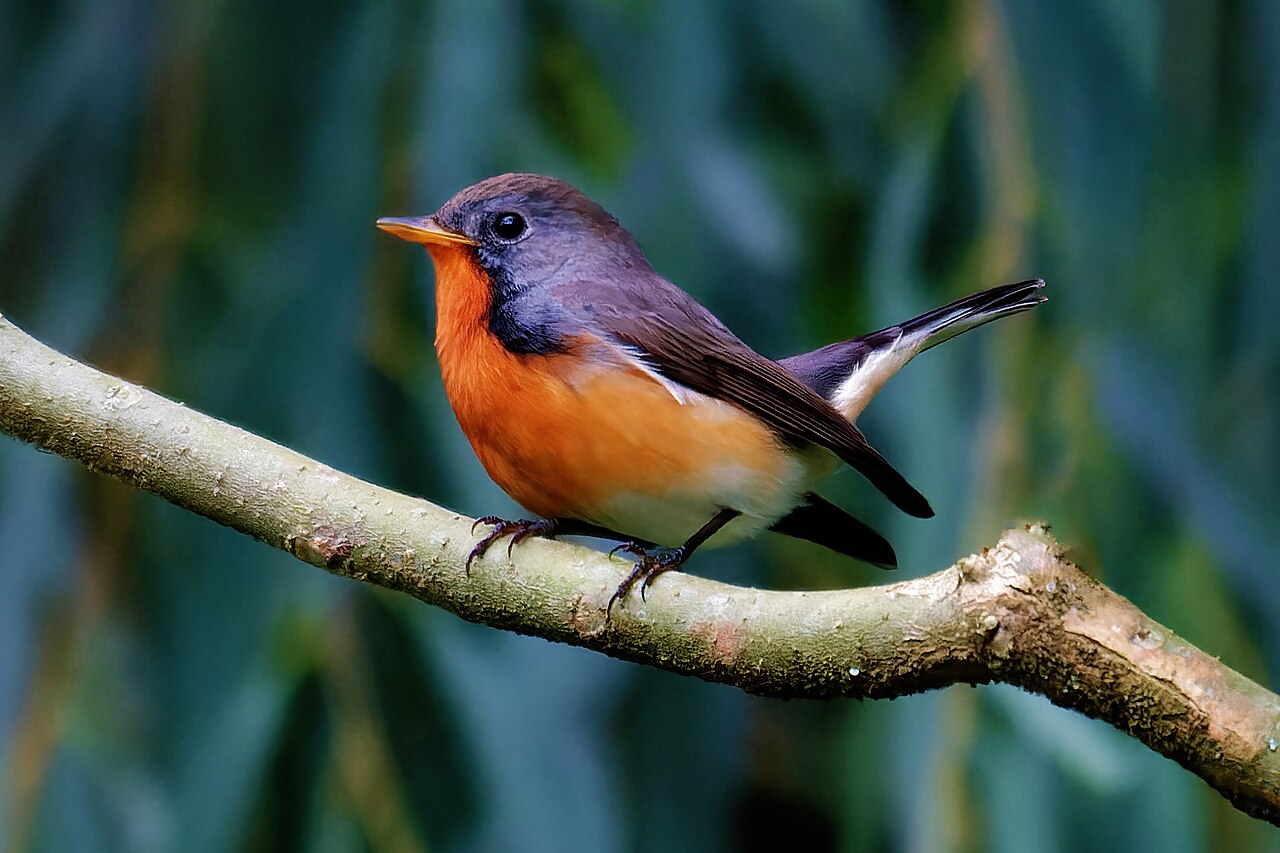
Kashmir Flycatcher Endemic Breeding Bird ENDEMIC BREEDER VULNERABLE (IUCN)
Ficedula subrubra

Kashmir Flycatcher

Global breeding endemic to the temperate deciduous forests of Kashmir. Male sports a rich chestnut-red throat and breast bordered with black.

  • Status: Breeds exclusively in Kashmir Valley
  • Canopy: Walnut and hazel forest understory
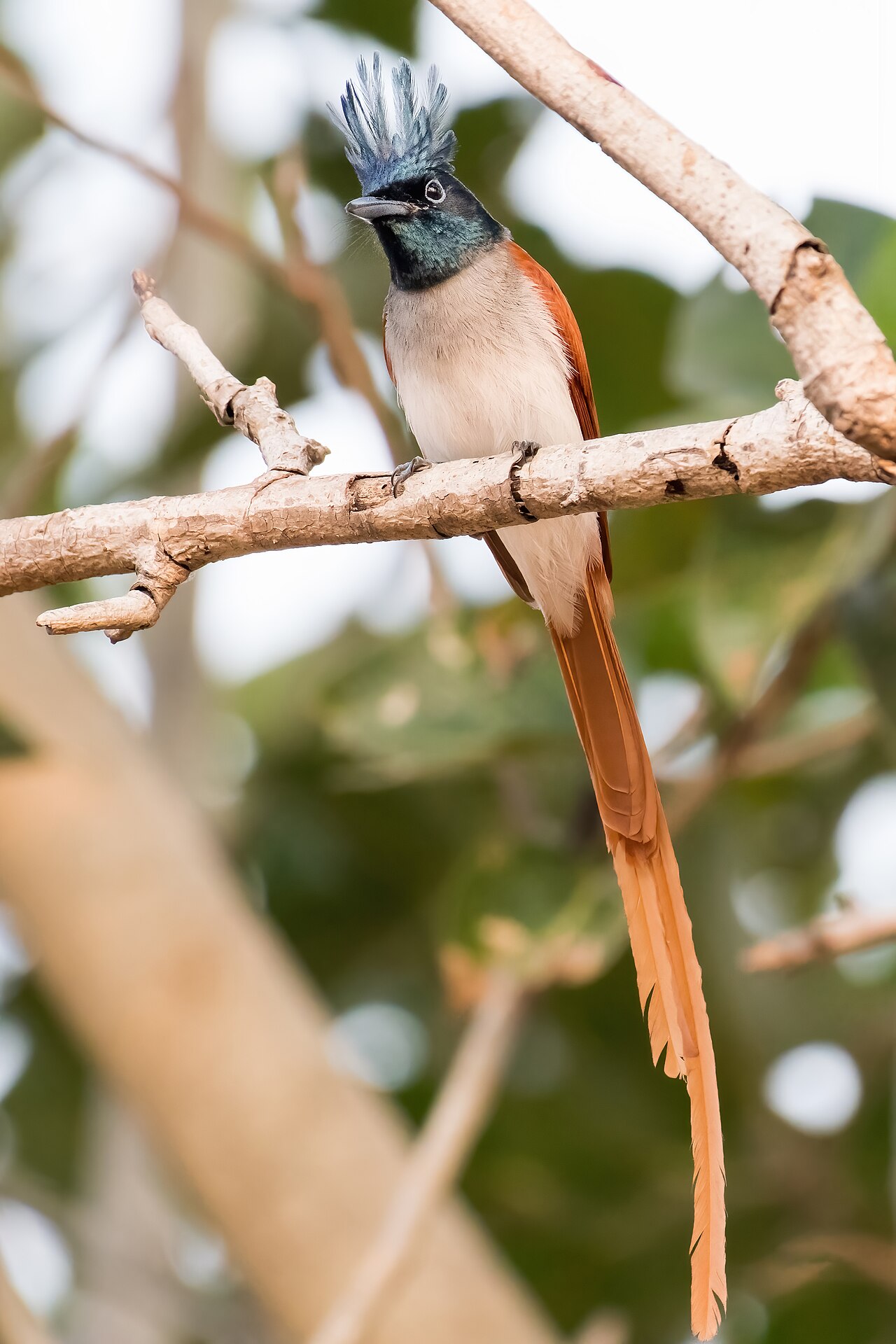
Indian Paradise Flycatcher Flowing Ribbon Tail VALLEY JEWEL LEAST CONCERN
Terpsiphone paradisi

Paradise Flycatcher (Ranga Bulbul)

Male displays a glossy black crest and long trailing white ribbon streamers. Flits gracefully through Kashmir walnut groves and Mughal chinar gardens.

  • Tail Streamers: Flowing white ribbon plumage
  • Season: Summer breeding visitor
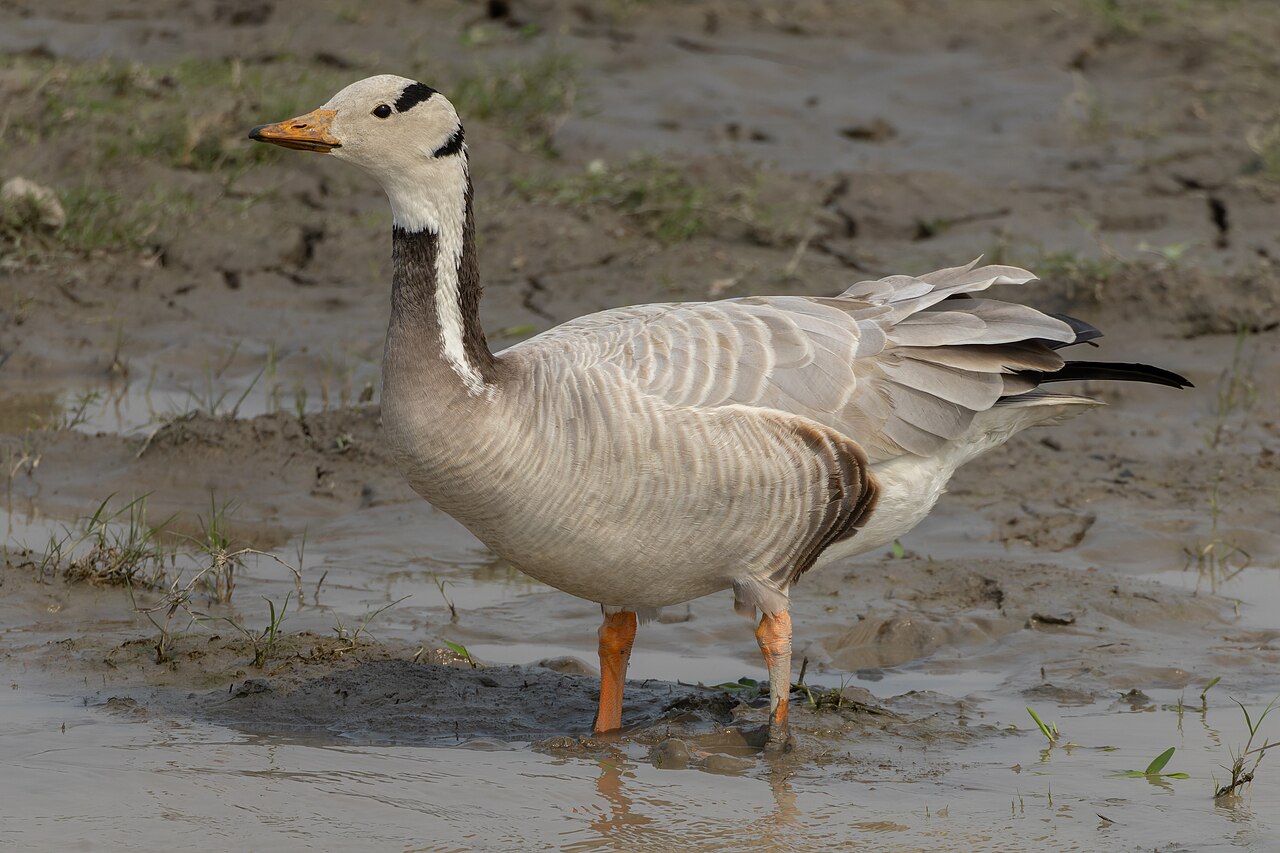
Bar Headed Goose High Altitude Migrant HIGH MIGRANT LEAST CONCERN
Anser indicus

Bar-Headed Goose

One of the highest-flying birds in the world, capable of migrating directly over the 8,000m peaks of the Himalayas. Winters in massive flocks at Gharana Wetland (Jammu).

  • Flight Altitude: Crosses Himalayan peaks
  • Winter Wetland: Gharana Wetland Reserve, Jammu
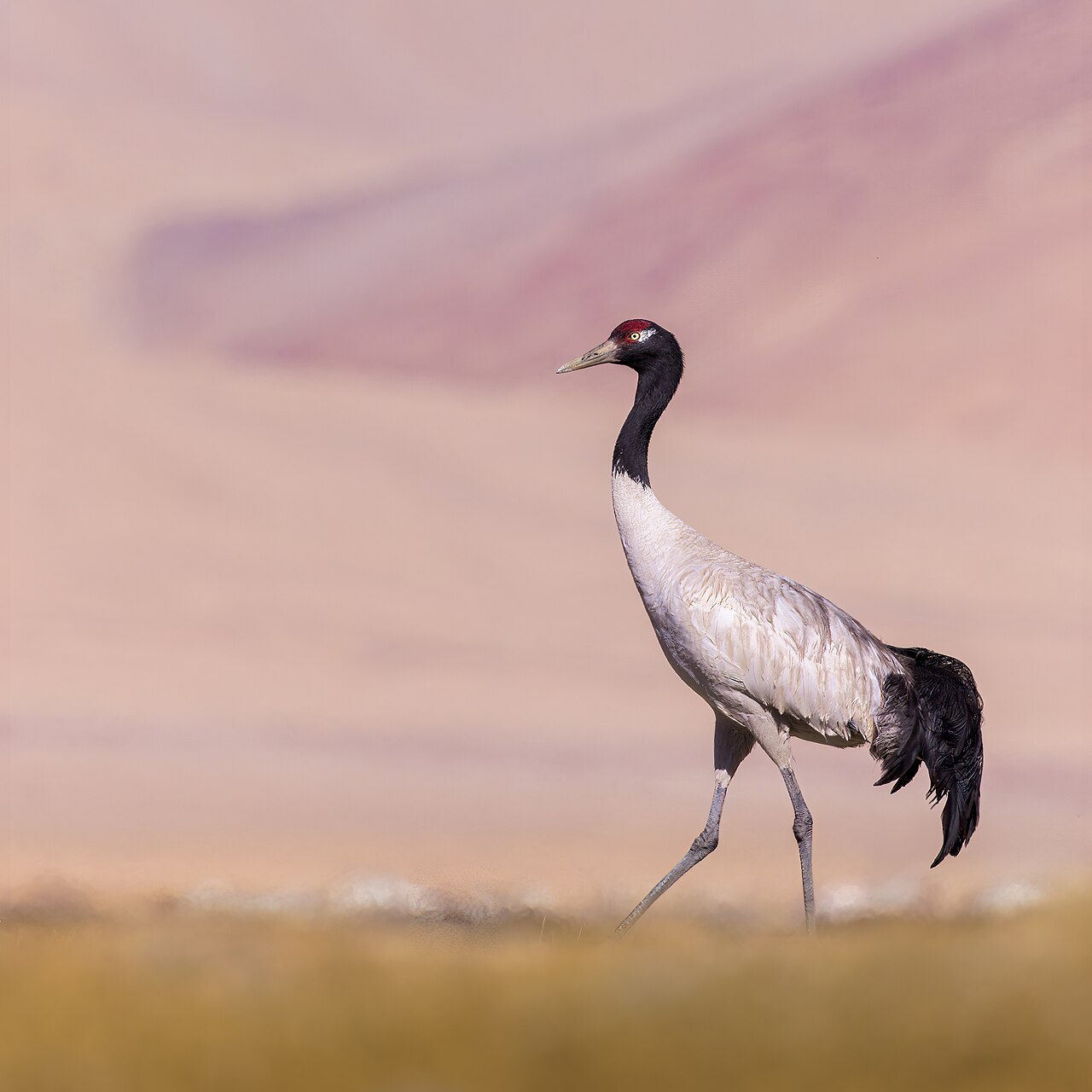
Black Necked Crane Sacred High Wetland Bird SACRED WETLAND CRANE NEAR THREATENED
Grus nigricollis

Black-Necked Crane

Revered in Buddhist folklore. Breeds exclusively in high-altitude freshwater lakes and wetlands of Changthang (Tso Kar, Tso Moriri). Distinctive black neck and red crown.

  • Breeding Lakes: Tso Kar & Tso Moriri
  • Cultural Status: State Bird of Ladakh
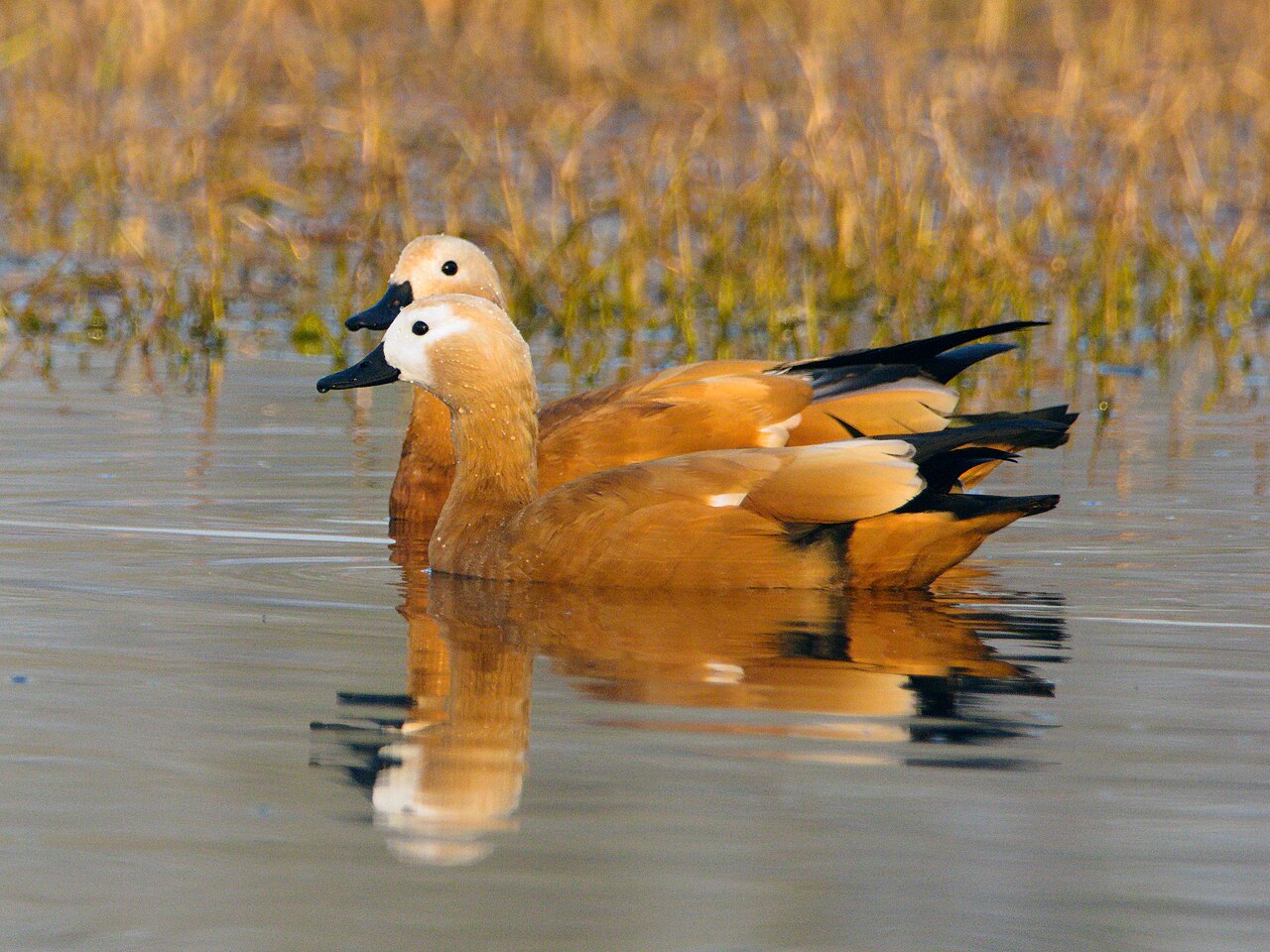
Ruddy Shelduck Brahminy Duck ORANGE-BROWN WATERFOWL LEAST CONCERN
Tadorna ferruginea

Ruddy Shelduck (Brahminy Duck)

Striking orange-brown waterfowl with a pale creamy head. Breeds on high-altitude saline and freshwater lakes of Ladakh and winters on lakes of Kashmir and Jammu.
  • Color: Luminous cinnamon-orange plumage
  • Lakes: Surinsar, Mansar, Tso Moriri
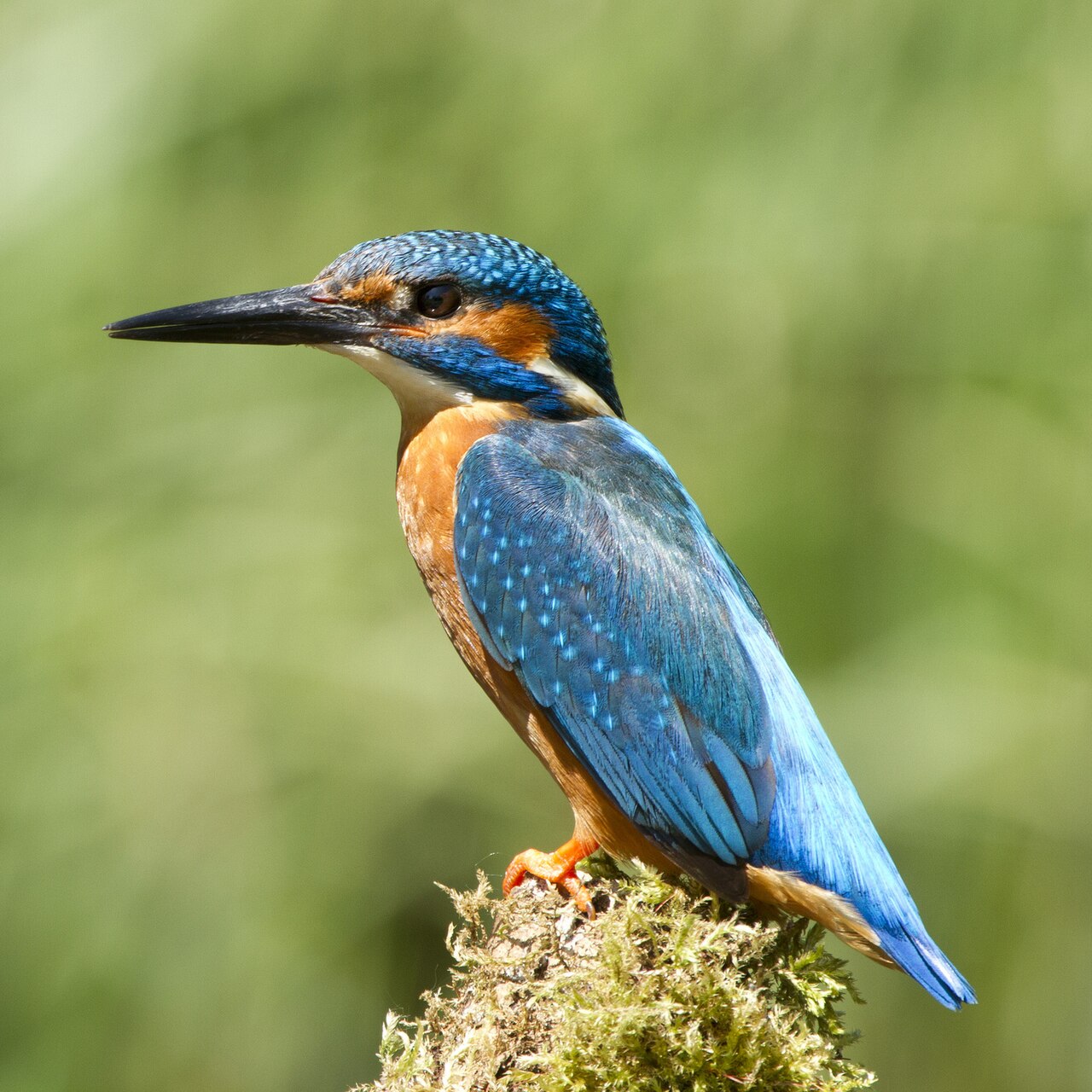
Common Kingfisher Dal Lake WETLAND JEWEL LEAST CONCERN
Alcedo atthis

Common Kingfisher (Kola Tand)

Brilliant sapphire-blue and rust-orange plumage. Dives swiftly into the calm waters of Dal Lake, Wular Lake, and willow-lined channels to catch small freshwater fish.
  • Hunting: Precision dive from overhanging willow branches
  • Waters: Dal Lake, Nigeen Lake, Wular
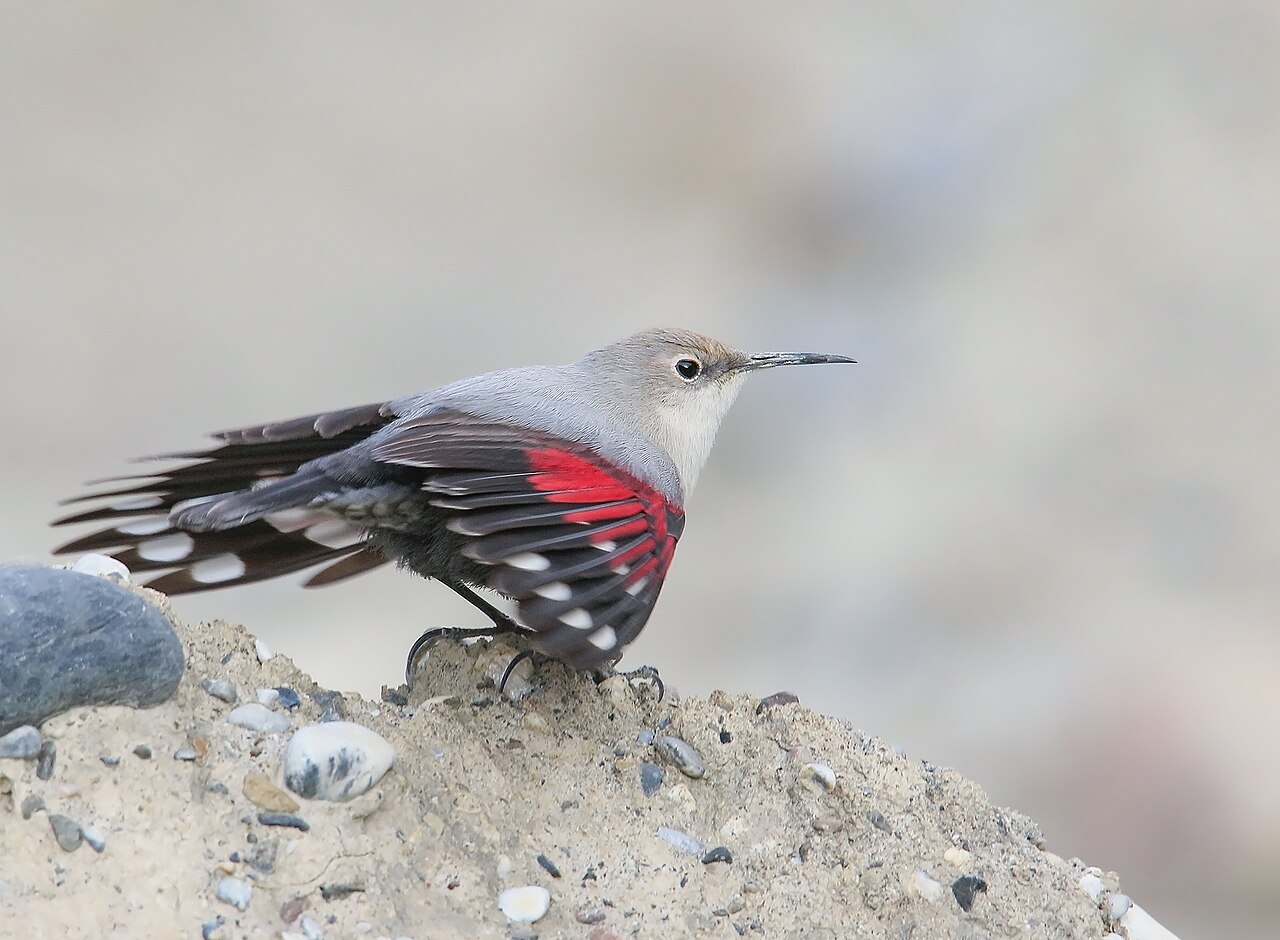
Wallcreeper Crimson Winged Cliff Bird CLIFF SPECIALIST LEAST CONCERN
Tichodroma muraria

Wallcreeper

Remarkable bird of vertical mountain cliffs. When it flickers its wings against sheer rock faces, it reveals vivid crimson-red wing coverts with white spots.

  • Wing Flash: Crimson-red wing covert display
  • Habitat: Vertical limestone cliffs & gorges
INDIGENOUS WORKING BREEDS

Domestic Working Animals & Nomadic Lifelines

The indigenous livestock breeds that have sustained the Gujjar, Bakarwal, and Changpa nomadic pastoralists across Himalayan high passes:

Changthangi Pashmina Cashmere Goat ROYAL CASHMERE DOMESTICATED BREED
Capra hircus laniger

Changthangi (Pashmina Goat)

Thrives at altitudes above 4,000 meters where winter temperatures plunge severely. Grows an ultra-fine undercoat measuring just 12-15 microns in diameter — the foundation of GI Kashmir Pashmina.

  • Fibre Fineness: 12 to 15 Microns (6x finer than hair)
  • Nomadic Herders: Changpa Tribe
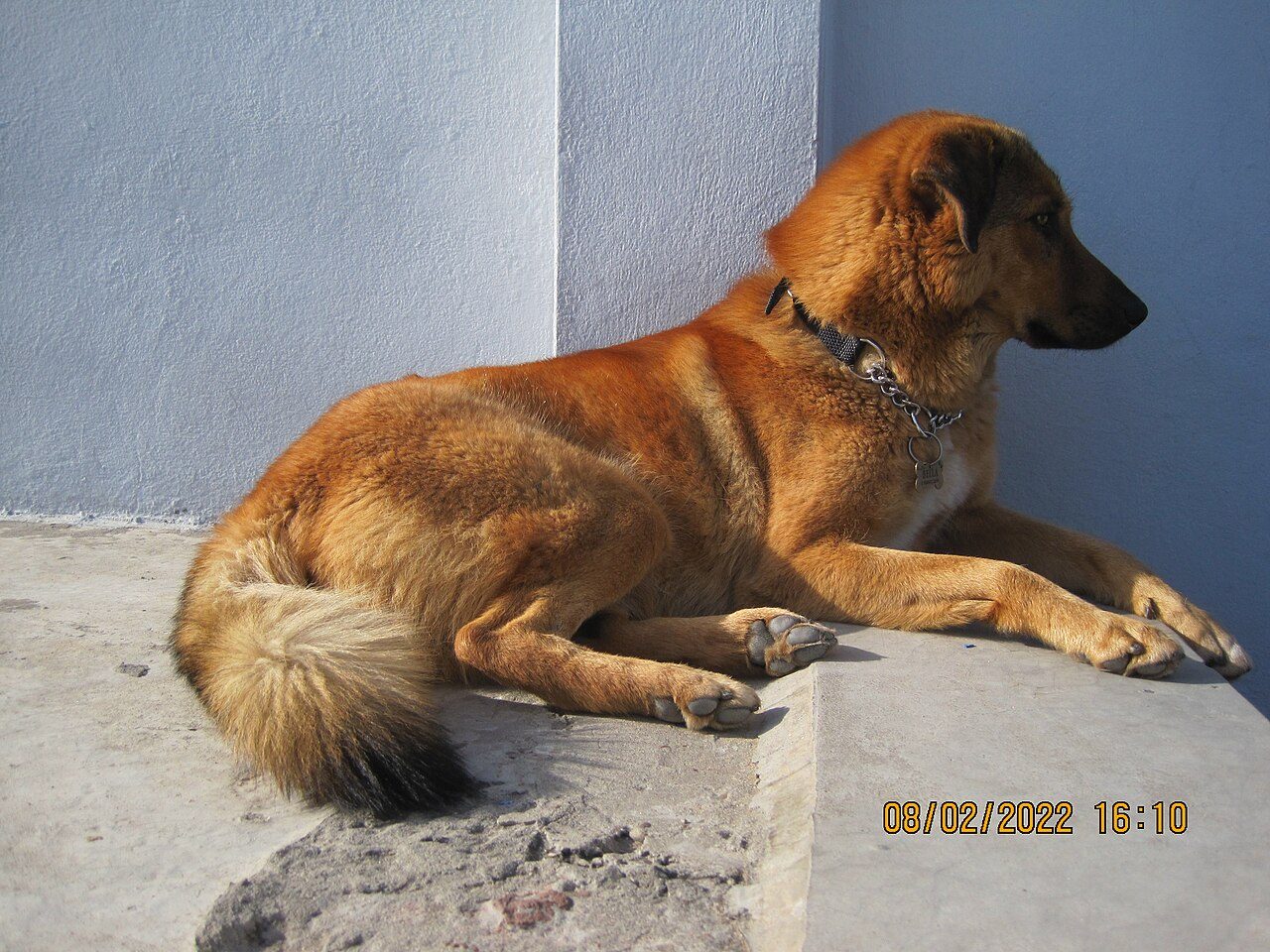
Bakarwal Shepherd Dog Gaddi Kutta FLOCK GUARDIAN INDIGENOUS MASTIFF
Canis lupus familiaris

Bakarwal Dog (Gaddi Kutta)

Ancient Himalayan livestock guardian bred by Gujjar and Bakarwal shepherds. Heavy-boned with a thick double coat and lion-like mane, fearlessly protecting flocks against snow leopards and wolves.

  • Role: Flock Guardian & Night Camp Sentry
  • Passes: Crosses 4,500m Pir Panjal passes
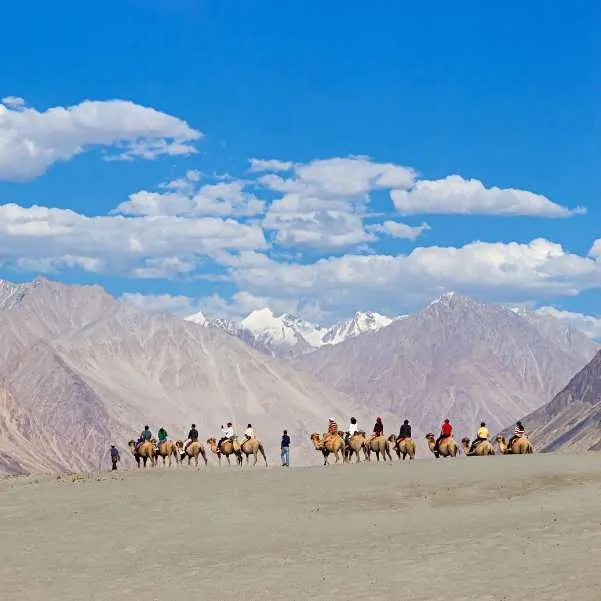
Double Humped Bactrian Camel Nubra SILK ROUTE RELIC NUBRA SPECIALITY
Camelus bactrianus

Bactrian Camel (Two-Humped)

Living legacy of the ancient Silk Route caravans that crossed from Yarkand into Ladakh. Inhabits the cold dunes of Hunder in Nubra Valley, enduring both summer heat and severe winter frost.

  • Two Humps: Store fat converted into hydration
  • Habitat: Hunder Sand Dunes & Shyok Basin
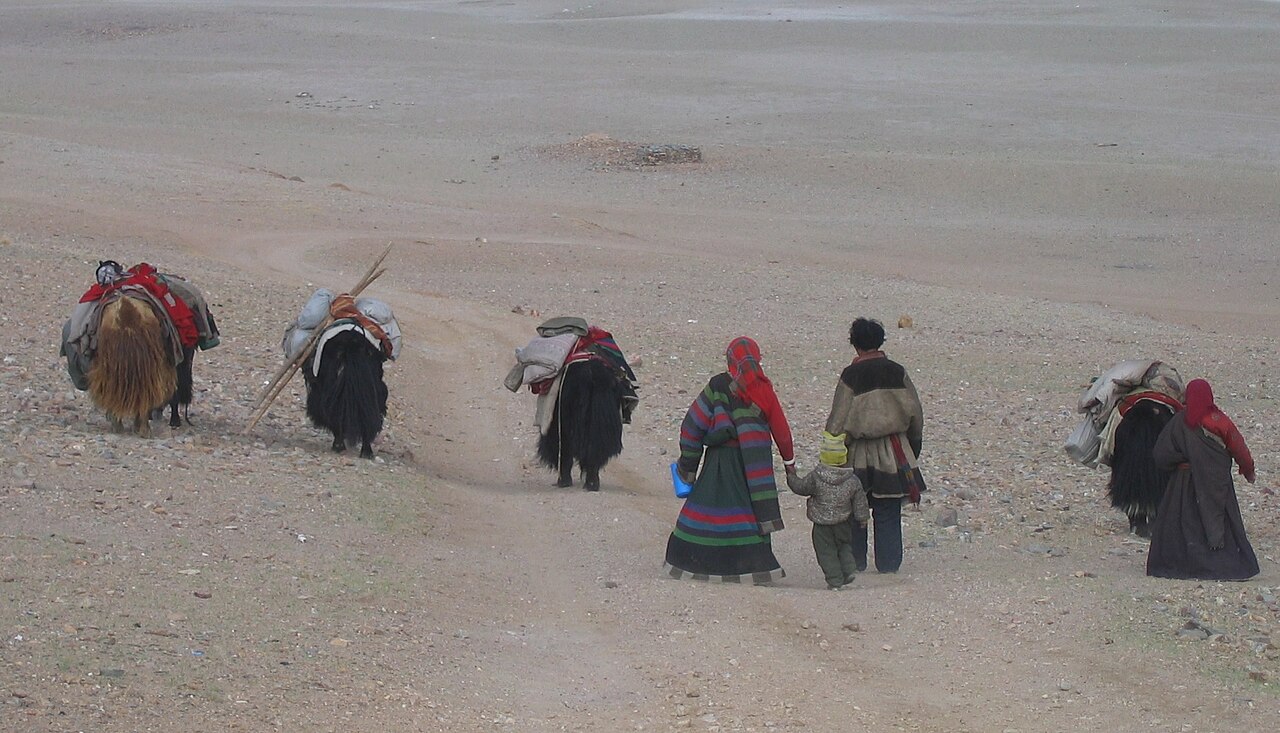
Himalayan Domestic Yak Dong ALPINE PACK ANIMAL HIGH LIVESTOCK
Bos grunniens

Himalayan Yak (Dong)

Heavily built bovid equipped with a thick shaggy coat and higher red blood cell count than lowland cattle. Provides rich high-fat butter for salted butter tea (*Gur Gur Chai*).

  • Physiology: Adapted for low oxygen atmospheres
  • Products: Yak butter, Chhurpi cheese, wool
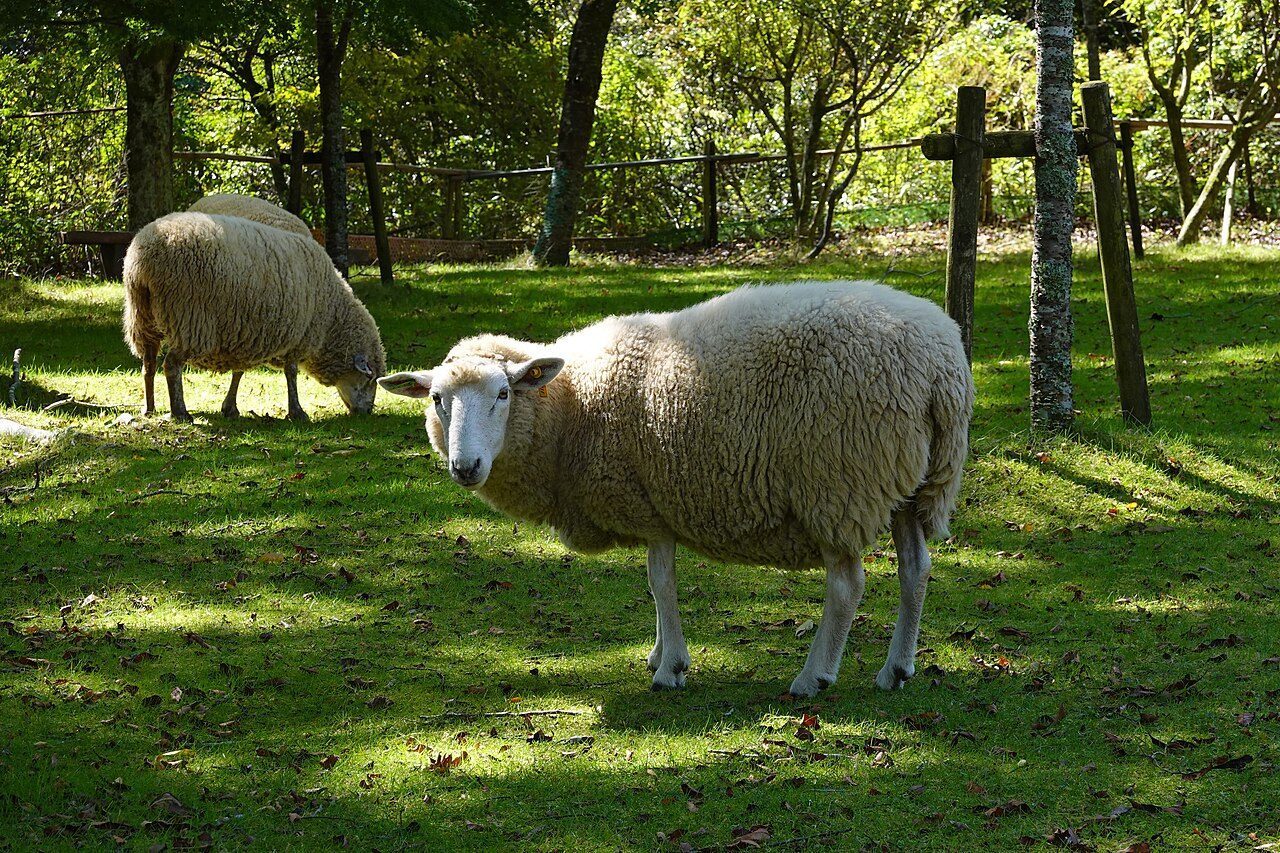
Kashmir Merino Fine Wool Sheep FINE APPAREL WOOL STATE SHEEP BREED
Ovis aries (Kashmir Merino)

Kashmir Merino Sheep

Bred across J&K sheep breeding farms by crossing local Gaddi and Bhakarwal ewes with Merino rams. Produces premium soft apparel wool for local shawl and tweed weaving.

  • Micron Count: Fine apparel fleece
  • Breeding Farms: Dachigam & Kralpathri
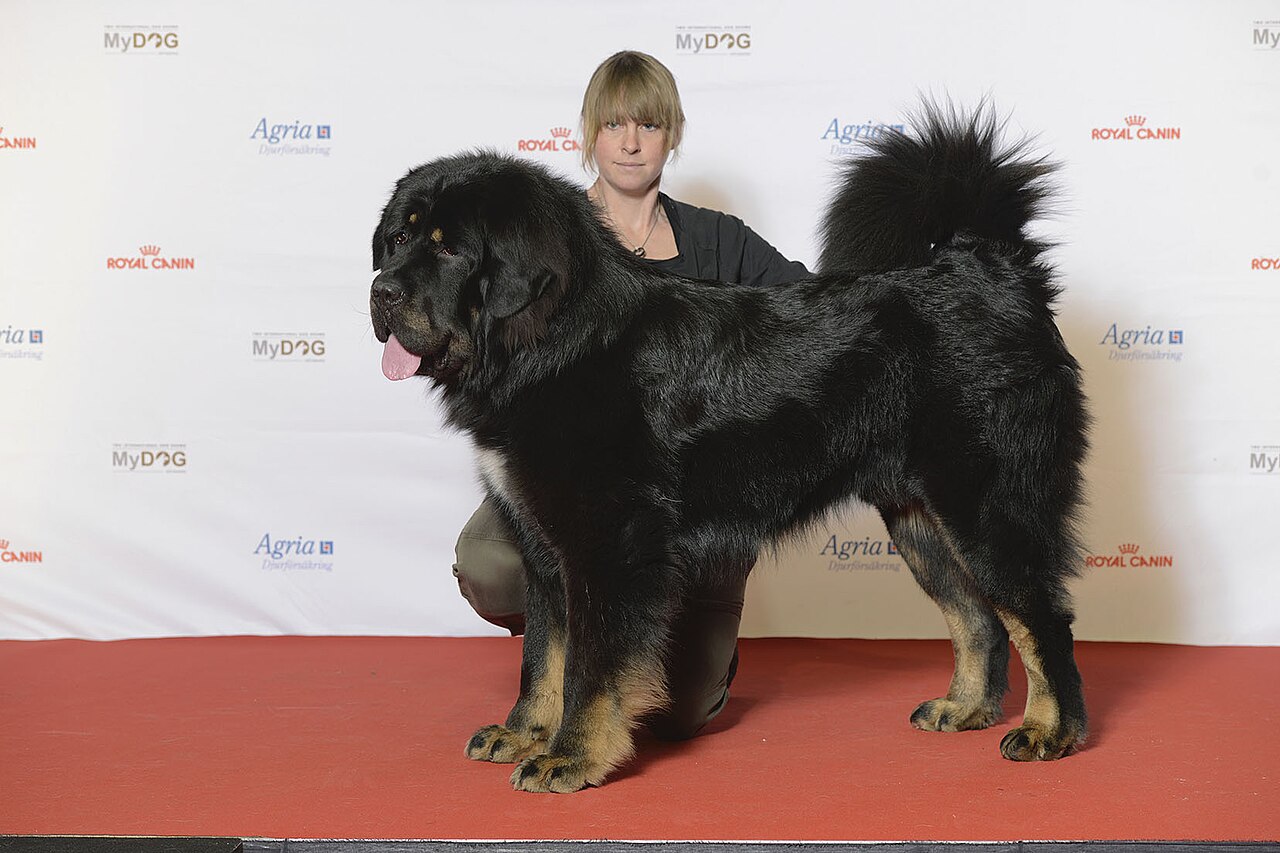
Tibetan Mastiff Do-khyi Monastery Guardian MONASTERY SENTINEL ANCIENT CANINE
Canis lupus familiaris (Do-khyi)

Tibetan Mastiff (Do-khyi)

Immense, ancient livestock guardian with a heavy bone structure and massive lion-like ruff. Guards Buddhist gompas and nomadic yak camps across Changthang and Zanskar.

  • Weight: Substantial guard mastiff build
  • Role: Monastery sentry & herd protector
BOTANICAL HERITAGE

Sacred Trees & Alpine Botanical Treasures

The revered botanical species that define the landscapes, medicinal traditions, and seasonal poetry of J&K:

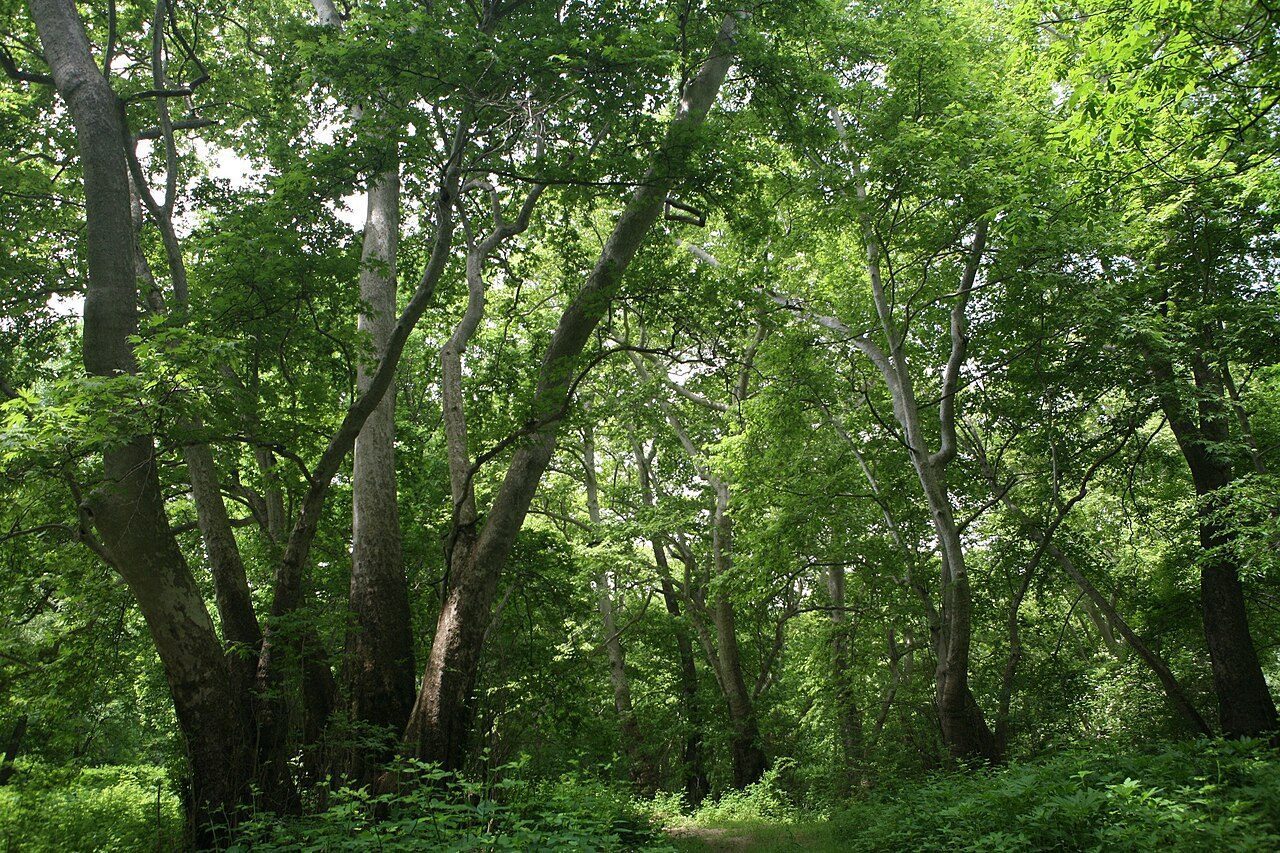
Royal Chinar Tree Boen Autumn Kashmir CULTURAL ICON PROTECTED TREE
Platanus orientalis (Boen / Chinar)

The Royal Chinar

The eternal soul of Kashmir's landscape. A massive deciduous giant living for centuries. In autumn (*Harud*), its five-pointed leaves burst into fiery crimson and amber hues.

  • Lifespan: Centuries-long longevity
  • Legal Status: State protected; felling strictly banned
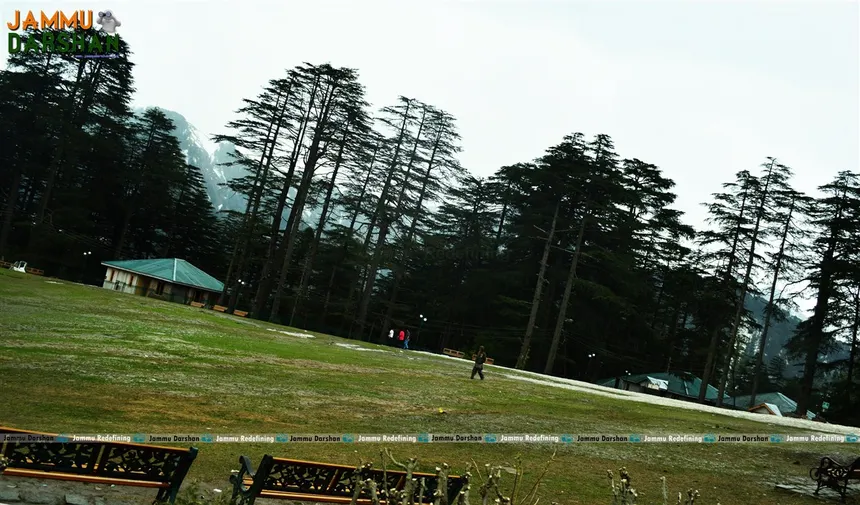
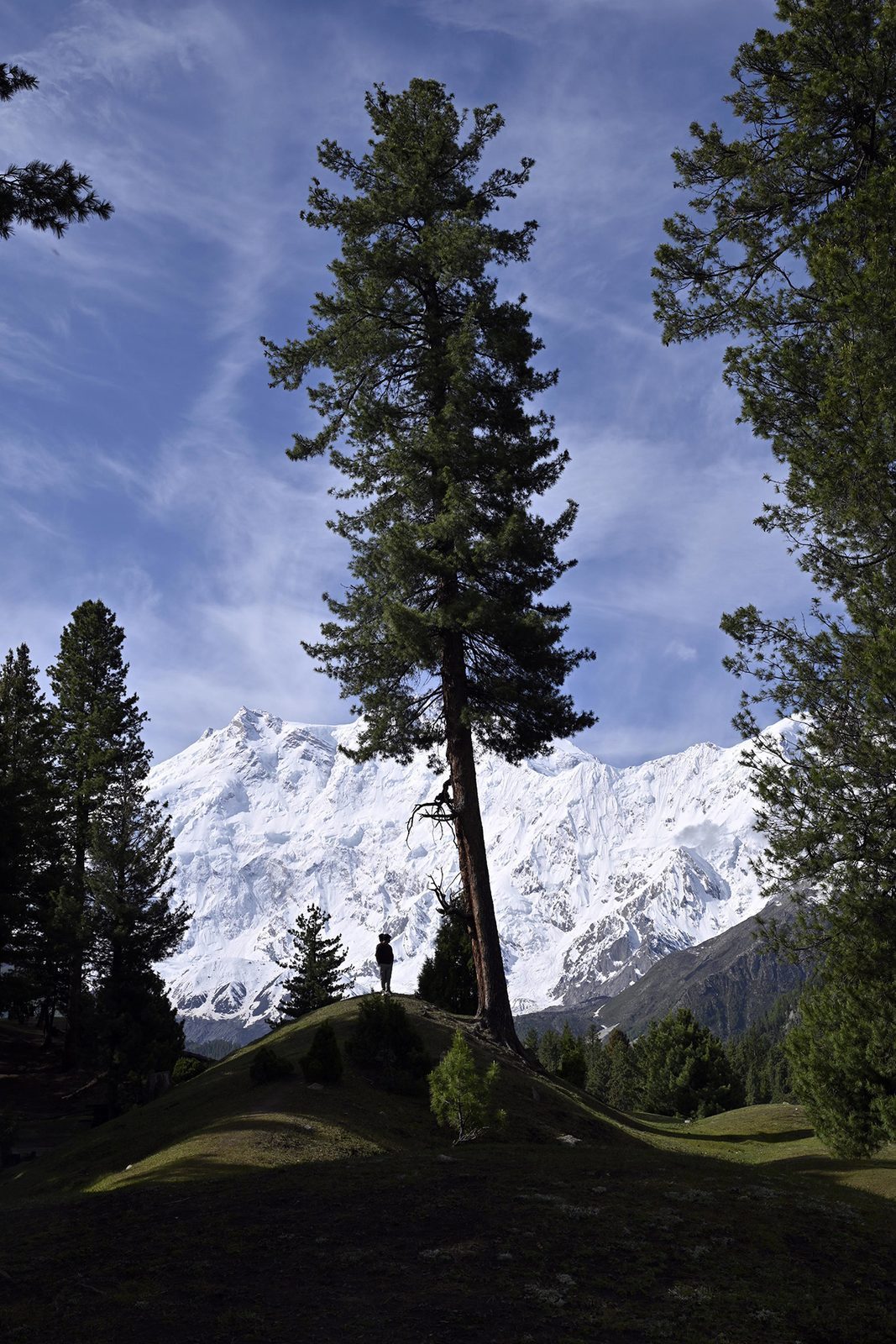
Himalayan Deodar Pine Devadaru Patnitop WOOD OF THE GODS EVERGREEN CONIFER
Cedrus deodara (Devadaru)

Himalayan Deodar

Derived from Sanskrit *Devadaru* (Tree of the Gods). Towering evergreen conifers that dominate the middle altitudes of Patnitop, Kishtwar, and Bhaderwah with aromatic timber.

  • Elevation Belt: 1,500m to 2,800m
  • Aromatic Resin: Natural anti-fungal essential oils
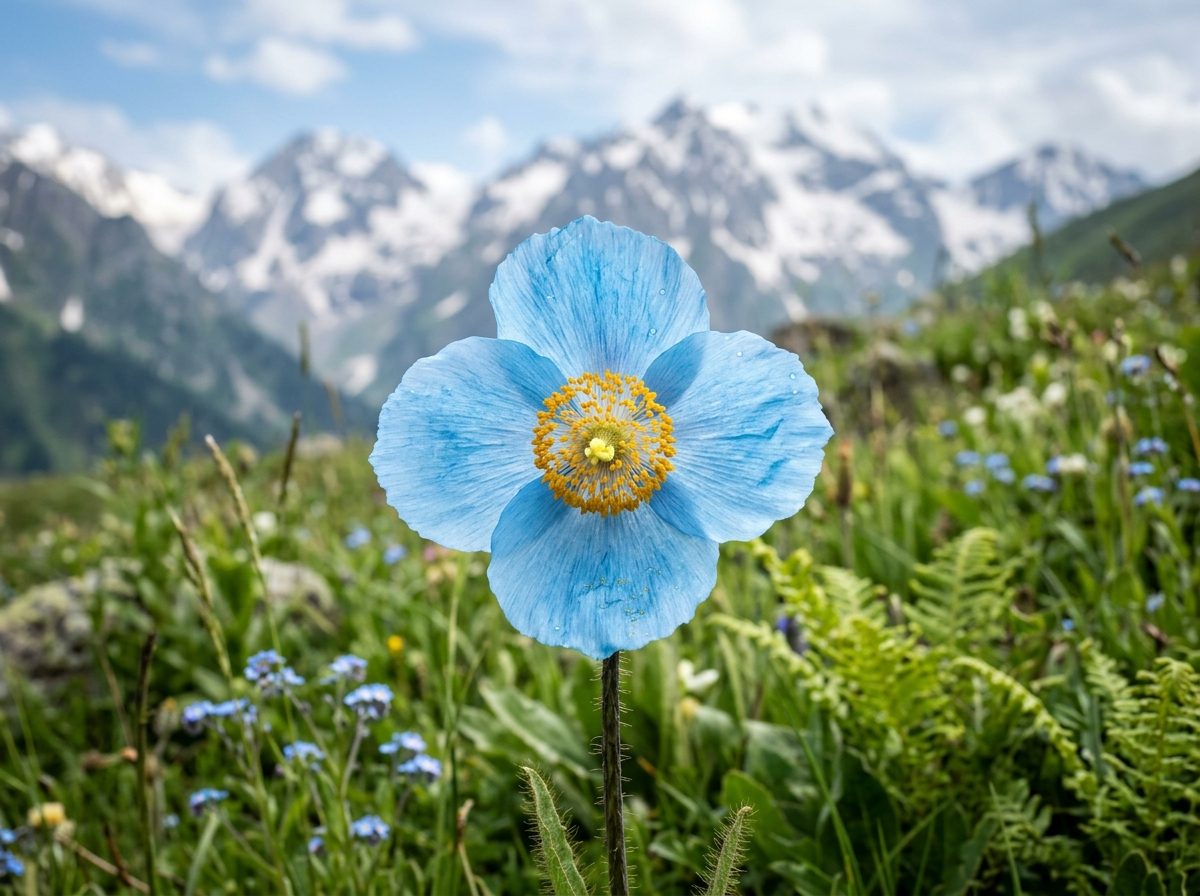
Himalayan Blue Poppy Sapphire Wildflower QUEEN OF ALPINES HIGH WILDFLOWER
Meconopsis aculeata

Himalayan Blue Poppy

The legendary sapphire blossom of the high Himalayas. Blooms for only a few weeks in summer on rocky scree slopes above 3,500 meters near Apharwat and Gangabal.

  • Elevation: 3,500m to 4,800m
  • Petal Color: Translucent sky sapphire blue
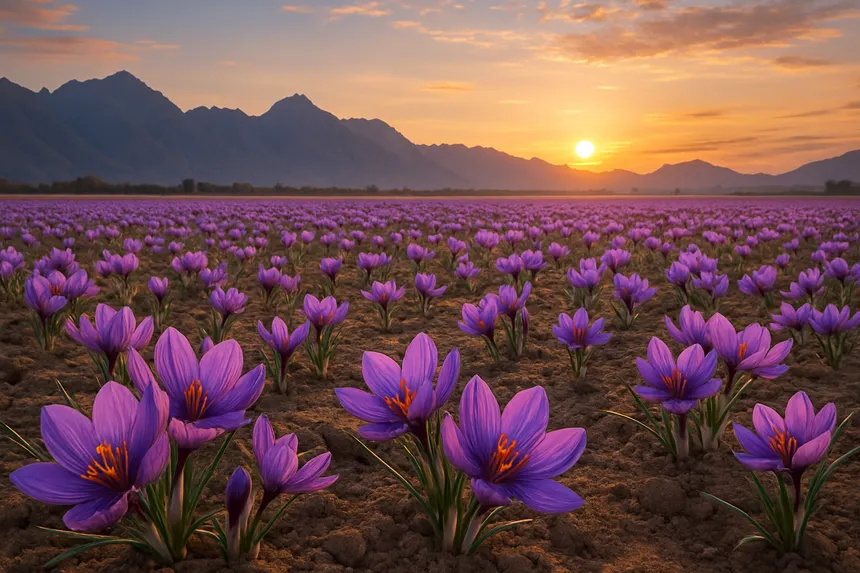
Kashmir Saffron Crocus Flower Pampore GI RED GOLD WORLD'S COSTLIEST SPICE
Crocus sativus (Kong / Kesar)

Kashmir Saffron (Mongra)

Celebrated for centuries as the world's most aromatic spice. Blooms in late October across the elevated alluvial Karewa plateau soil of Pampore and Kishtwar.

  • Harvest: Late autumn morning hand-picking
  • GI Quality: High natural crocin and aroma
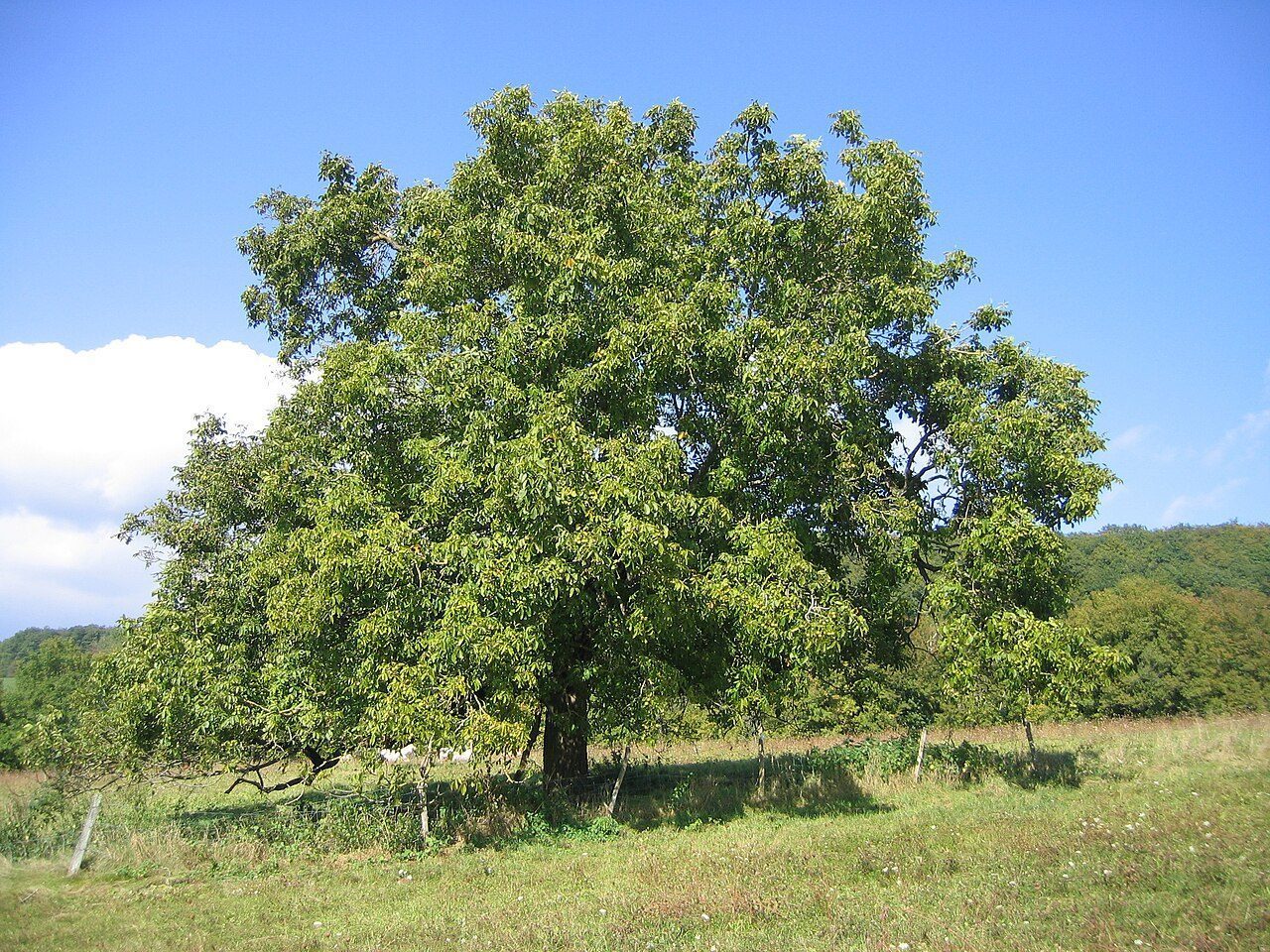
Kashmir Walnut Tree Doen VALLEY HARDWOOD GI CRAFT WOOD
Juglans regia (Doen)

Kashmir Walnut Tree

The backbone of Kashmir's GI Walnut Wood Carving. Its fine-grained, dark root wood is carved into intricate floral motifs, while the organic nuts are prized globally.

  • Woodwork: Raw material for GI Kashmir wood carving
  • Districts: Anantnag, Kupwara, Shopian
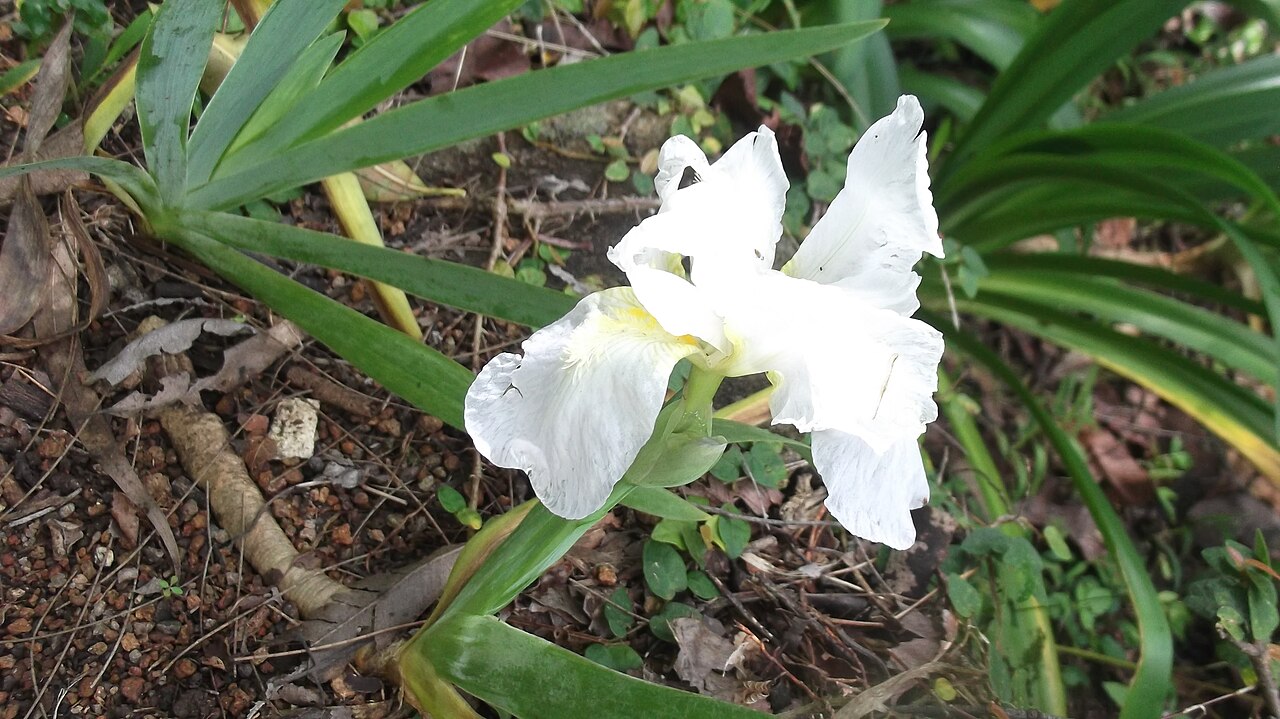
Kashmir Iris Mazarmund Blossom SPRING BLOSSOM NATIVE WILDFLOWER
Iris kashmiriana (Mazarmund)

Kashmir Iris

Native spring wildflower of Kashmir, blooming in vibrant violet and lilac carpets across traditional hillsides, meadows, and shrine enclosures as winter melts away.

  • Season: Early spring herald
  • Habitat: Foothills, ancient shrines & pastures
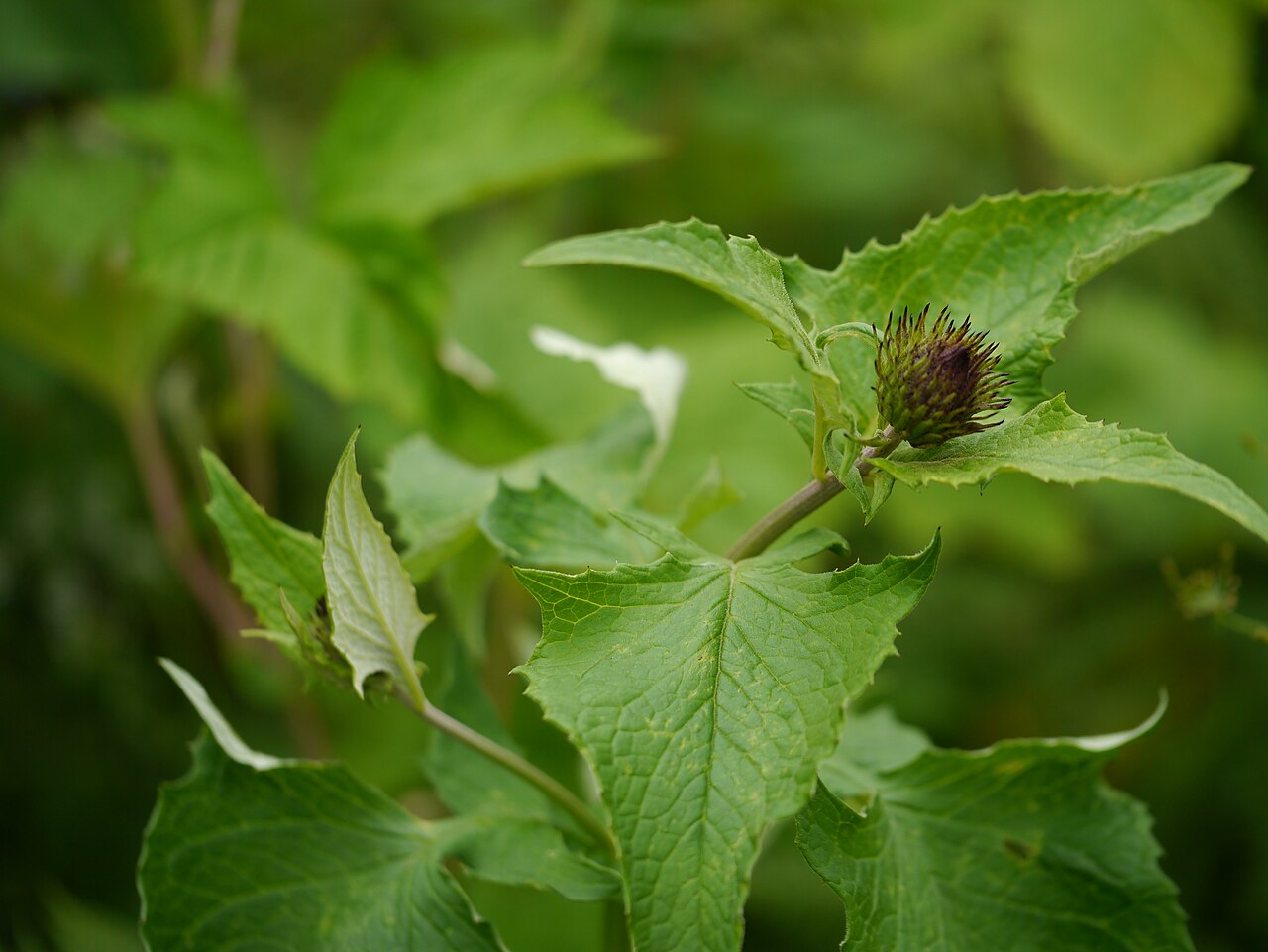
Saussurea Costus Kuth Medicinal Alpine Herb MEDICINAL TREASURE CRITICALLY ENDANGERED
Saussurea costus (Kuth)

Kuth (Costus Root)

Endemic perennial alpine herb of the Western Himalayas. Highly prized in traditional Ayurvedic, Unani, and Tibetan medicine for its intensely aromatic roots.

  • Protection: Strictly regulated CITES Appendix I
  • Elevation: 2,600m to 4,000m in Gurez & Kishtwar
Blue Pine Kail Five Needle Conifer SUBALPINE PINE NATIVE EVERGREEN
Pinus wallichiana (Kail)

Blue Pine (Kail)

Graceful five-needled pine with drooping blue-green needles and long cylindrical cones. Forms dense subalpine forest canopies across Gulmarg, Yusmarg, and Pahalgam.

  • Needle Structure: Bundles of 5 drooping needles
  • Elevation: 1,800m to 3,500m
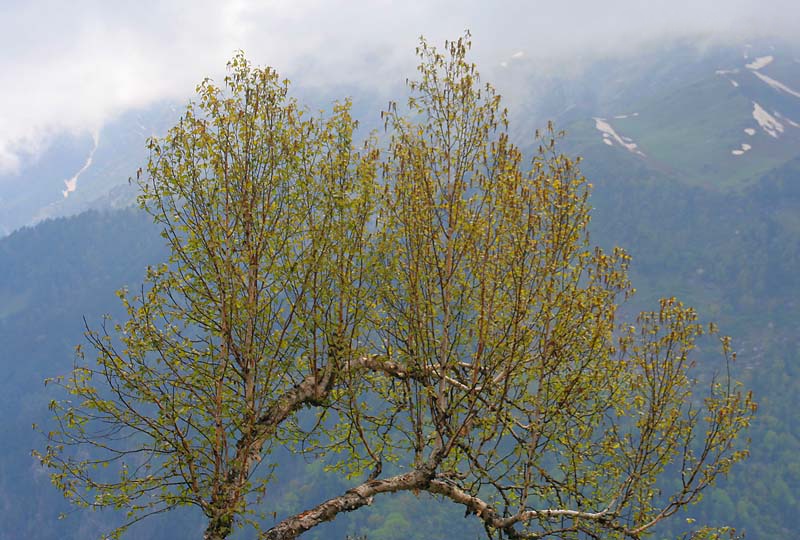
Himalayan Birch Bhojpatra Parchment Tree ANCIENT PARCHMENT SUBALPINE CONIFER
Betula utilis (Burza / Bhojpatra)

Himalayan Birch (Bhojpatra)

Marks the uppermost tree line in the Himalayas right below alpine glaciers. Its paper-thin white bark was written on with walnut ink, preserving ancient Sharada manuscripts.

  • Timberline: Marks the upper boundary below glaciers
  • History: Medium for ancient Kashmir scriptures
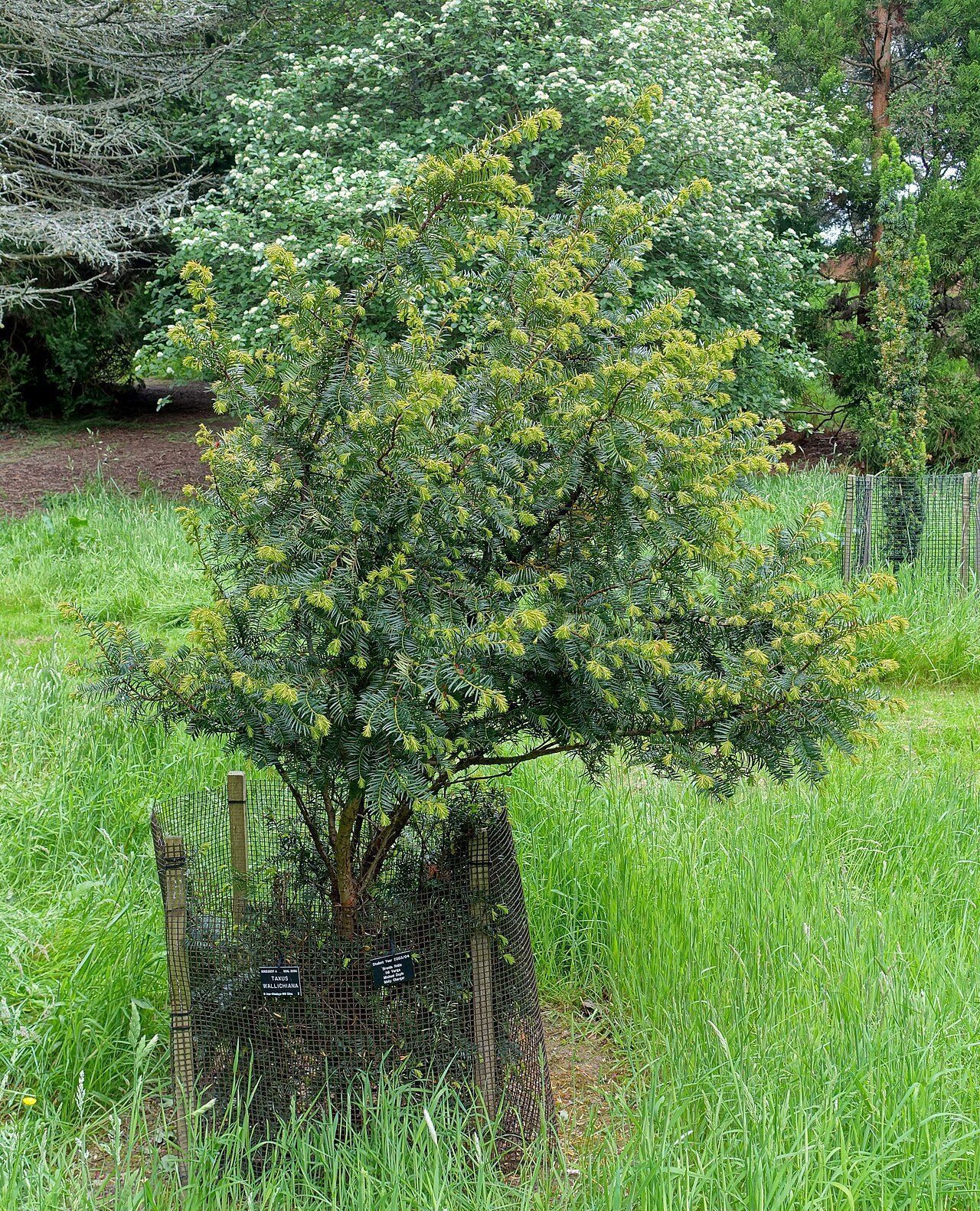
Himalayan Yew Rakhal SHADE CONIFER ENDANGERED (IUCN)
Taxus wallichiana (Rakhal)

Himalayan Yew

Slow-growing evergreen tree thriving in deep moist ravine shade. Source of *taxol*, an essential compound in cancer therapies, making conservation critical.

  • Bioactive: Source of therapeutic taxane alkaloids
  • Habitat: Shaded fir and deodar understory
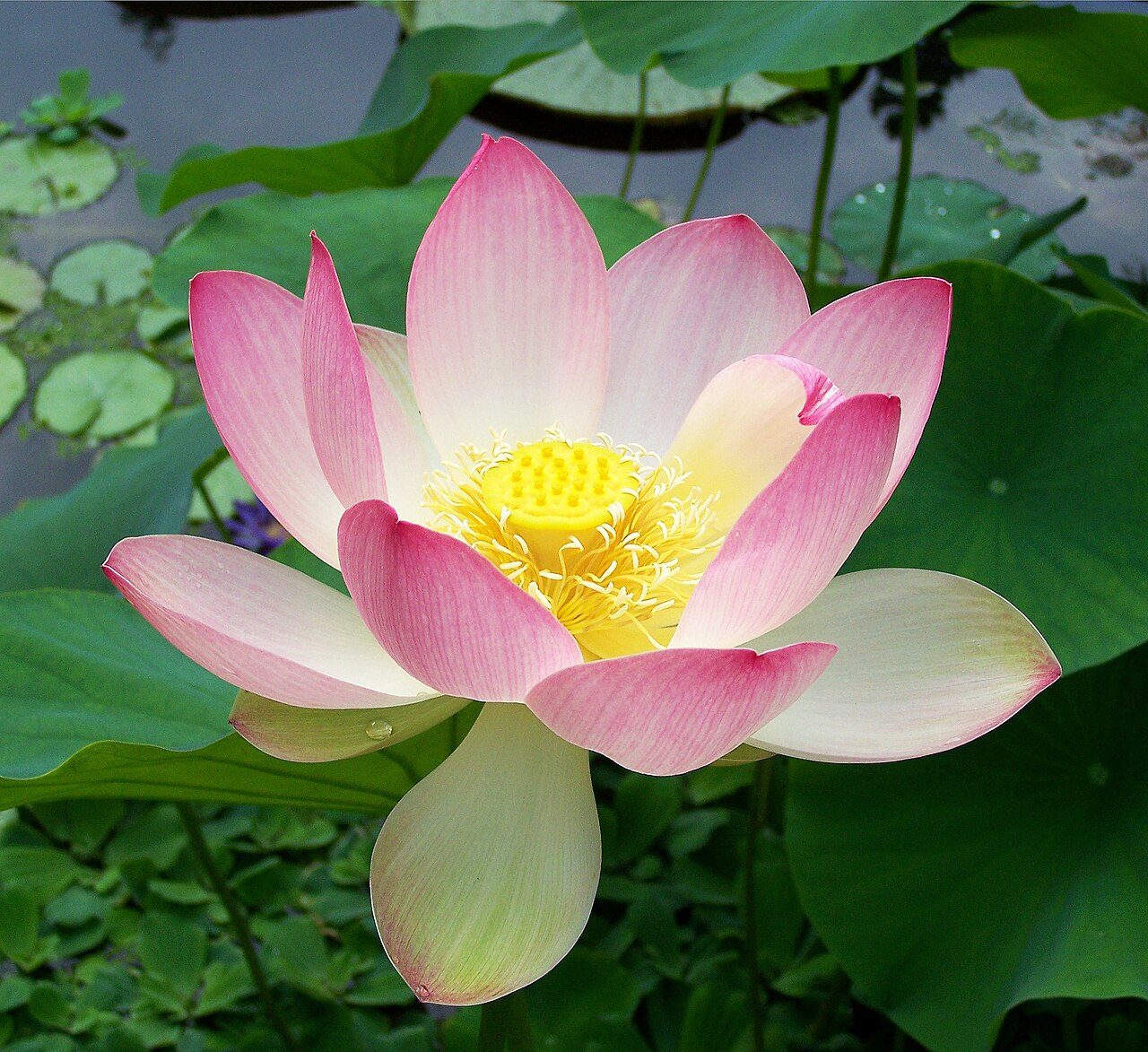
Dal Lake Lotus Pamposh Blossom SACRED AQUATIC WETLAND FLORA
Nelumbo nucifera (Pamposh)

Dal Lake Lotus (Nadru)

Floats majestically across the backwaters of Dal and Wular lakes. Its fibrous stem (*Nadru*) is harvested by shikara boatmen with wooden poles and celebrated in Wazwan cuisine.

  • Cuisine: Culinary lotus stem (*Nadru*) delicacy
  • Lakes: Dal Lake, Nigeen, Manasbal, Wular
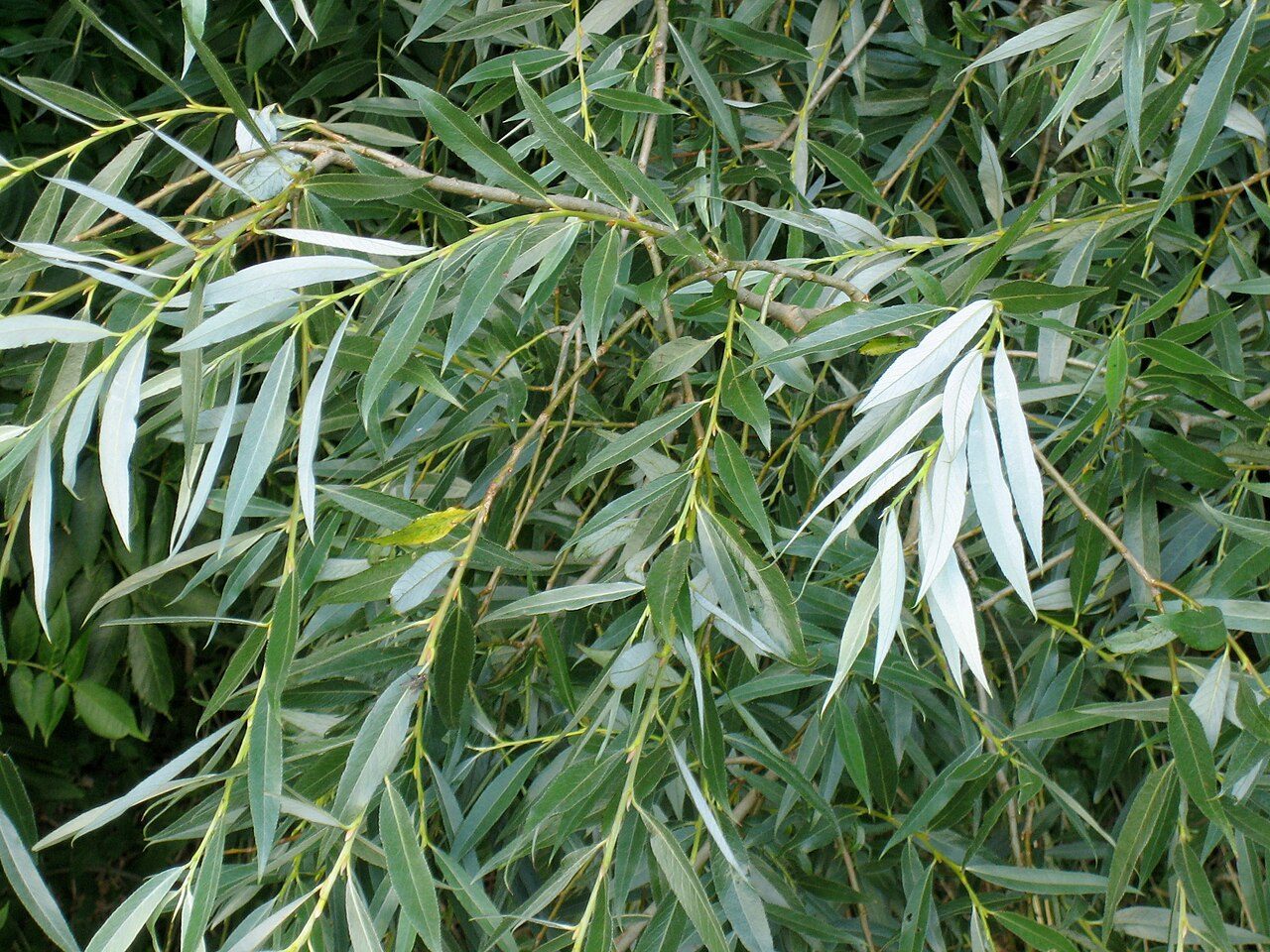
Kashmir Cricket Bat Willow Trees WETLAND TIMBER CRAFT TIMBER
Salix alba caerulea (Vir)

Kashmir Cricket Bat Willow

Grown along wetlands and river embankments across Sangam, Anantnag, and Pulwama. One of only two regions on Earth producing internationally certified cricket bats.

  • Sporting Heritage: Renowned worldwide for cricket bats
  • Belt: Sangam-Sethar wetland highway corridor
PROTECTED BIOSPHERE

National Parks, Sanctuaries & Ramsar Wetlands

Notified protected areas, high altitude national parks, and international Ramsar wetlands under the Wildlife Protection Act:

Dachigam National Park Riverine Valley
SRINAGAR DISTRICT • NATIONAL PARK

Dachigam National Park

Divided into Lower Dachigam riverine forests and Upper Dachigam alpine pastures reaching Marsar lake. The supreme bastion of the Hangul stag.

  • Key Wildlife: Hangul, Himalayan Black Bear, Leopard, Serow
  • Stream: Dagwan River (trout breeding nursery)
Hemis National Park Snow Leopard Capital
LADAKH REGION • HIGH ALTITUDE

Hemis National Park

The largest national park in South Asia and global capital of the Snow Leopard. Bounded by the Indus river on the north, featuring ancient monastery valleys.

  • Predators: High density of Snow Leopards globally
  • Prey: Great Tibetan Sheep (Argali), Bharal, Asiatic Ibex
Kazinag National Park Cliffs
BARAMULLA DISTRICT • BORDER PARK

Kazinag National Park

Created along the northern banks of the Jhelum river near the Line of Control by amalgamating Limber Wildlife Sanctuary and Lachipora reserve.

  • Key Wildlife: Flare-horned Markhor cliff bastion
  • Lepidoptera: Rich variety of Himalayan butterflies
Kishtwar High Altitude Glaciated Peaks
KISHTWAR DISTRICT • GLACIATED PARK

Kishtwar High Altitude NP

Rugged glaciated valleys, deodar forests, and alpine meadows bounded by the Rinnay river. Sanctuary for high-altitude carnivores and musk deer.

  • Key Fauna: Snow Leopard, Himalayan Brown Bear, Musk Deer
  • Topography: Dramatic glaciated peaks & gorges
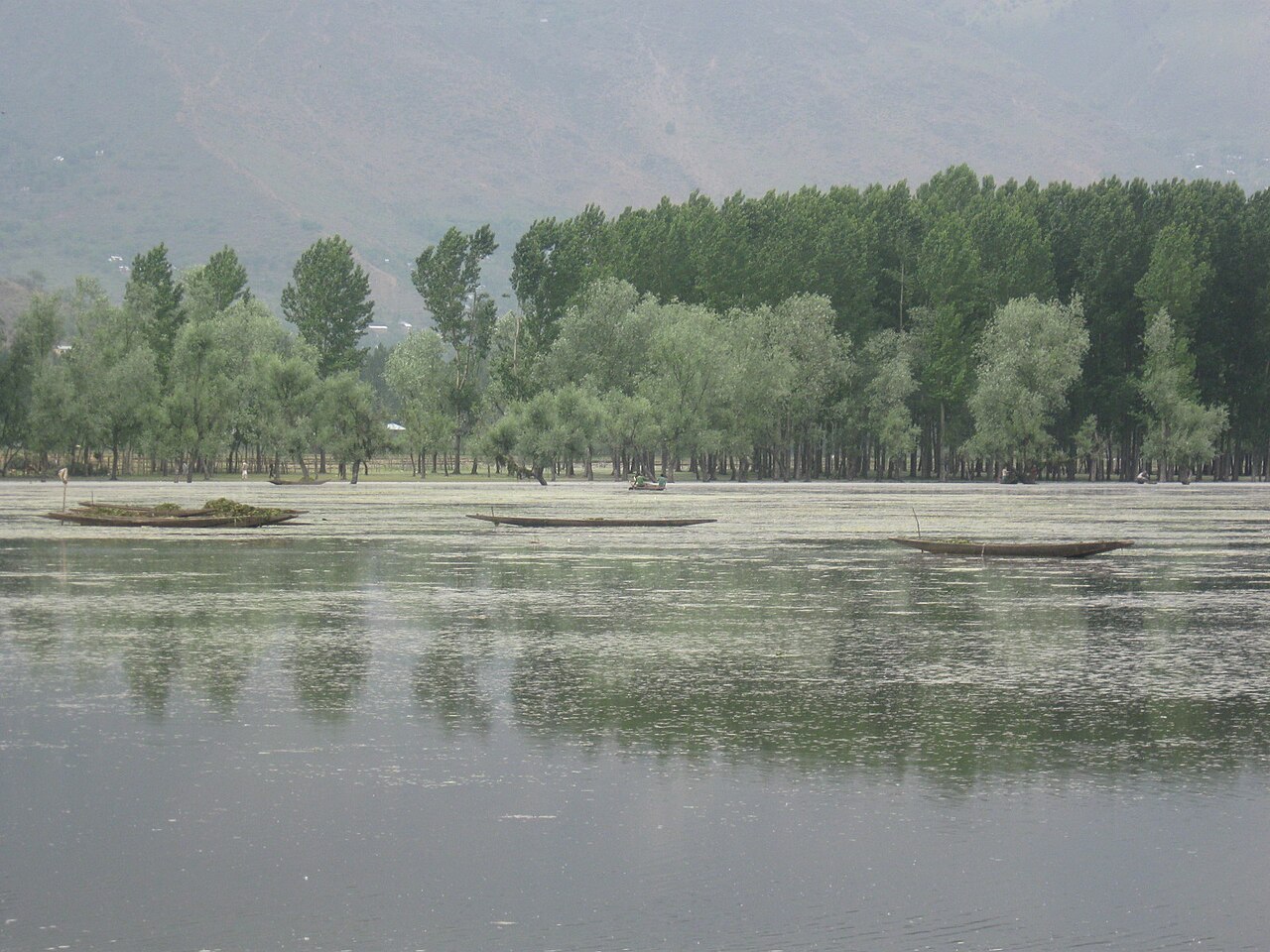
Wular Lake Ramsar Wetland Sanctuary
BANDIPORA • RAMSAR SITE

Wular Lake Wetland Sanctuary

Asia's largest freshwater lake and premier Ramsar wetland. Feeds millions via indigenous fisheries and Singhara water chestnuts while hosting vast waterfowl flocks.

  • Ecology: Vital flood basin of the Jhelum river system
  • Birds: Mallards, Teals, Shovelers, Greylag Geese
Hokersar Ramsar Wetland Queen of Wetlands
RAMSAR WETLAND • SRINAGAR

Hokersar Wetland Reserve

Known as the *Queen of Wetlands* in the Kashmir Valley. Welcomes vast winter migratory waterfowl arriving on the Central Asian Flyway from Siberia.

  • Migratory Species: Mallards, Common Teal, Pintails, Greylag Geese
  • Vegetation: Phragmites reeds and water chestnuts
Surinsar Mansar Sacred Twin Lakes
JAMMU & SAMBA • RAMSAR SITE

Surinsar-Mansar Sanctuary

Semi-arid Shivalik subtropical forest enveloping the sacred twin lakes. Home to freshwater softshell turtles, barking deer, and resident waterbirds.

  • Reptiles: Indian Flapshell Turtle & Softshell Turtle
  • Fauna: Barking Deer (Kakar), Goral, Nilgai, Porcupine
Thajwas Glacier & Wildlife Reserve Sonamarg
GANDERBAL • SONAMARG VALLEY

Thajwas Wildlife & Glacier Reserve

Encompasses the hanging Thajwas glaciers, silver fir forests, and alpine moraines of Sonamarg. Crucial summer corridor for the endangered Himalayan Brown Bear.

  • Predators: Himalayan Brown Bear, Common Leopard
  • Landscape: Glacial streams, alpine meadows, fir forests
BIOSPHERE LANDSCAPES

Distinct Himalayan Habitats & Ecosystems

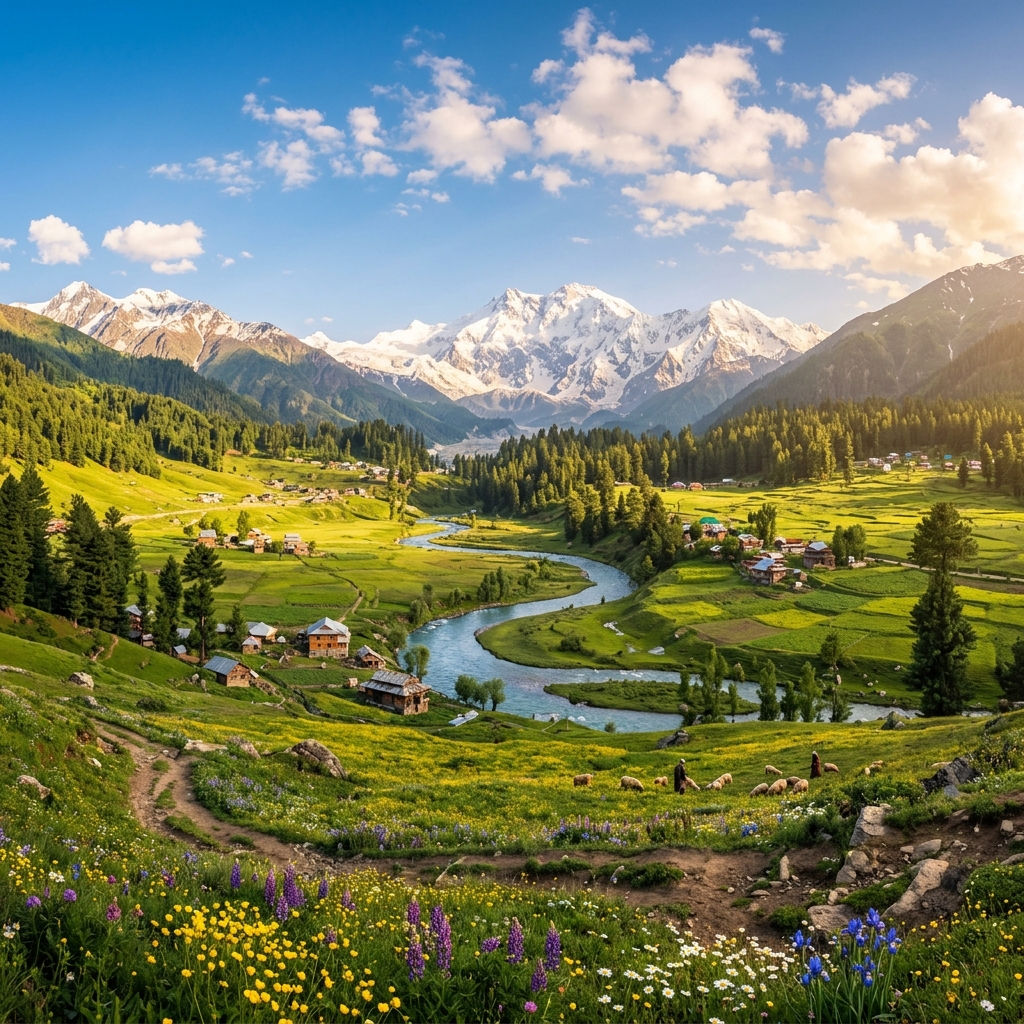
The breathtaking biomes of Jammu & Kashmir that sustain its unique ecological tapestry from subtropical foothills to cold glacial plateaus:

Pir Panjal Range Mountain Habitat
PIR PANJAL MOUNTAINS • TEMPERATE BIOME

Pir Panjal Conifer & Alpine Margs

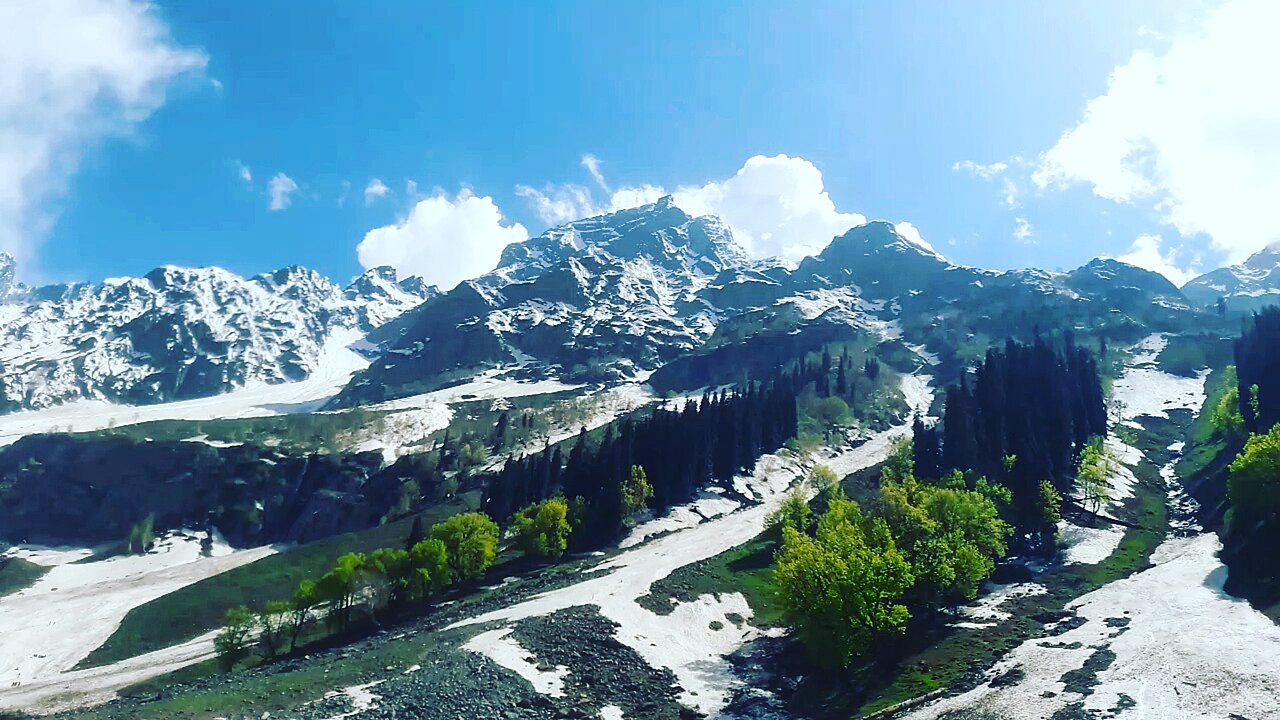
Densely forested slopes of Himalayan deodar, blue pine, and silver fir giving way to lush high-altitude meadows (*Margs*). The vital habitat of the Markhor and Musk Deer.

  • Key Species: Markhor, Musk Deer, Monal, Blue Poppy
  • Canopy: Deodar, Fir, Kail, and Birch
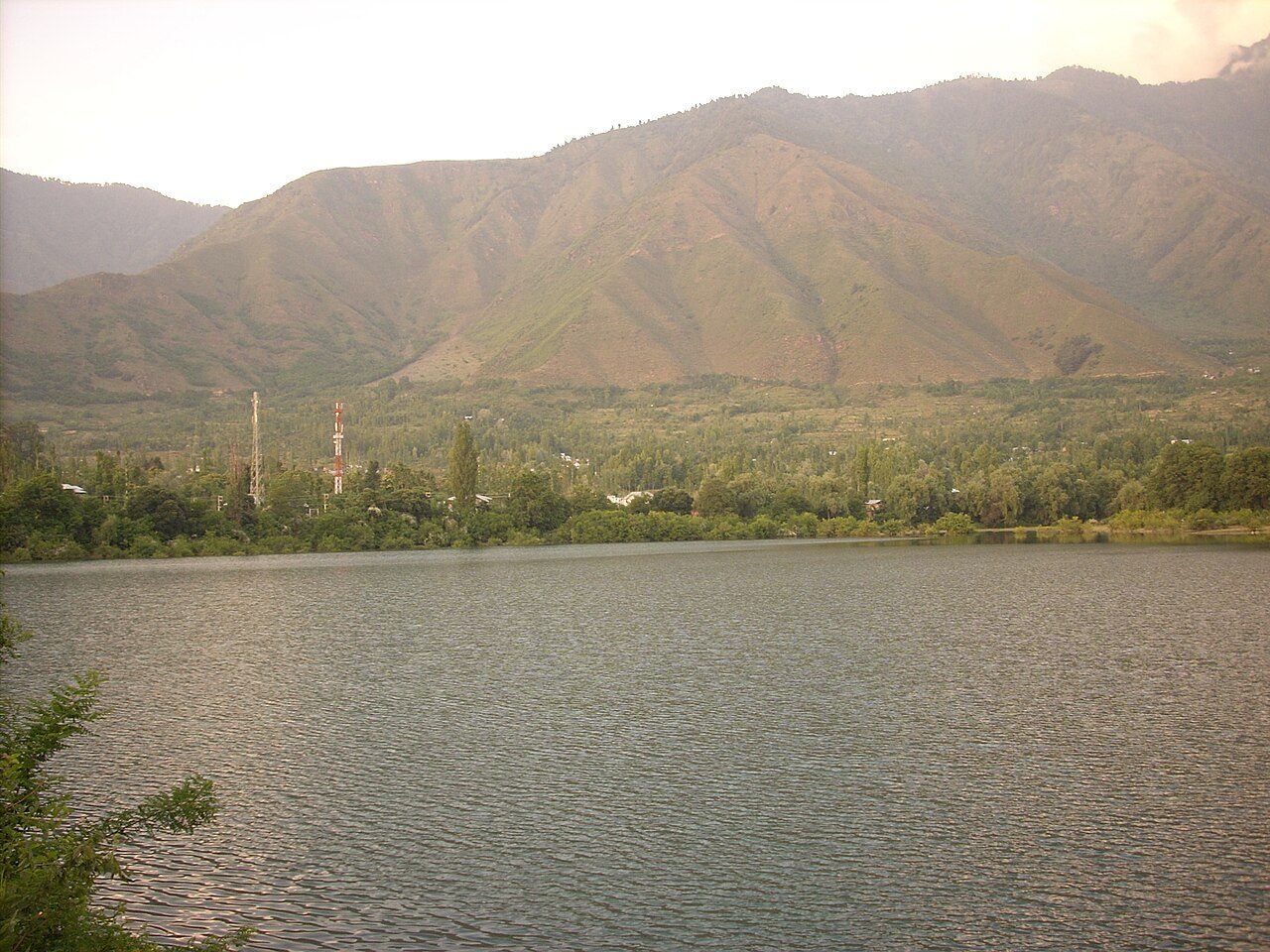
Lidder Riverine Coldwater Habitat
VALLEY RIVER BASINS • COLDWATER ECOSYSTEM

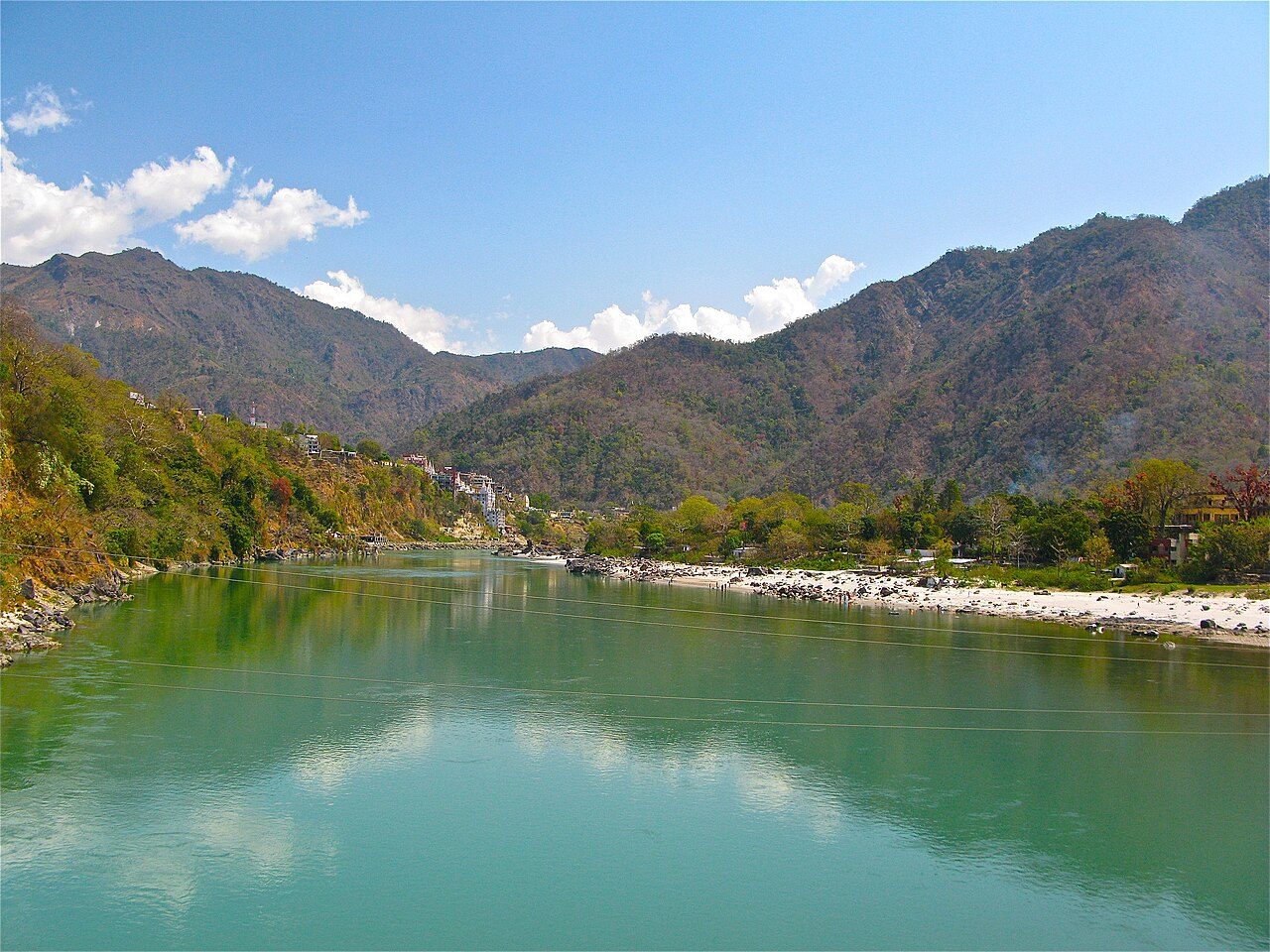
Coldwater Riverine Trout Streams

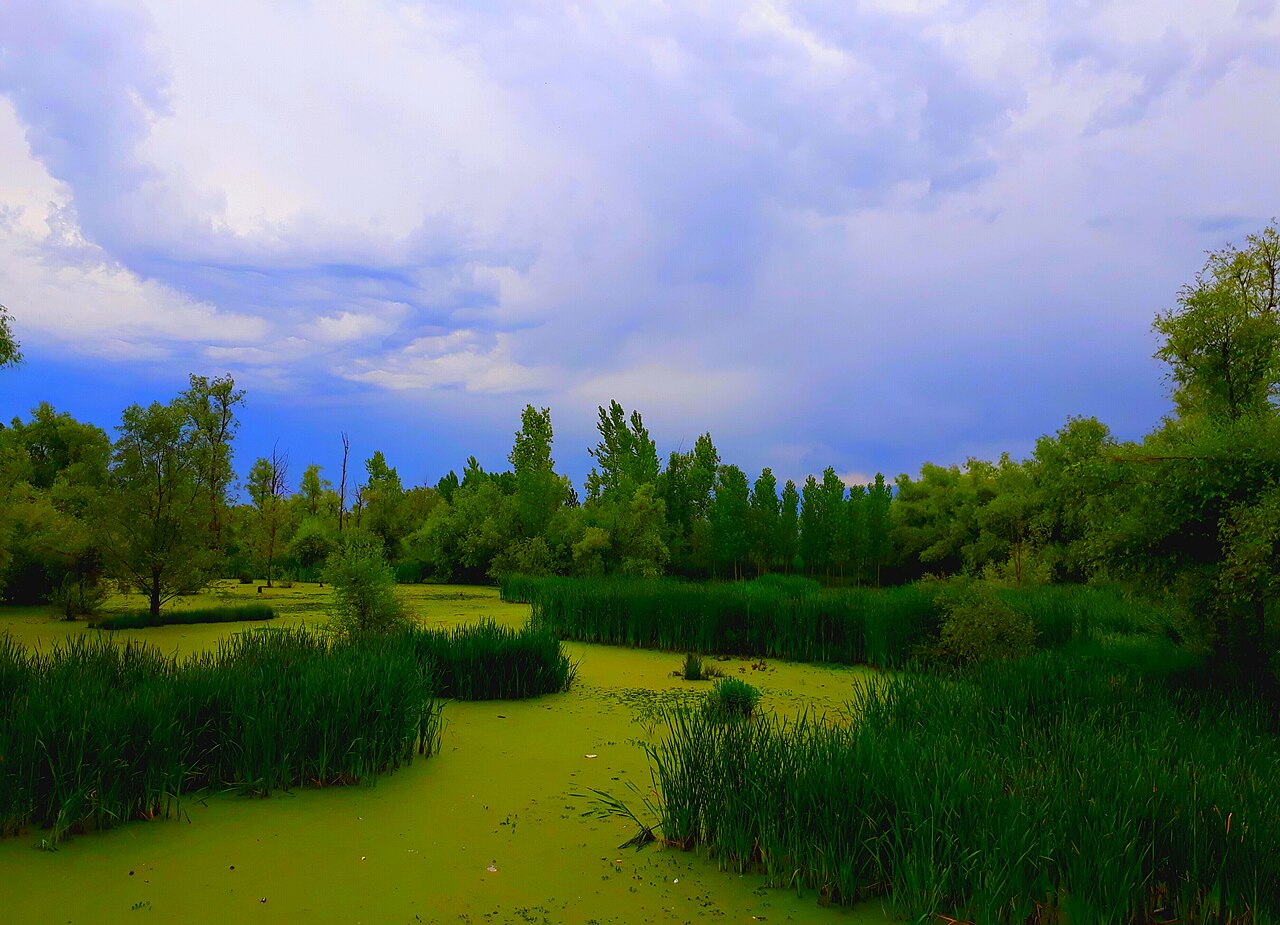
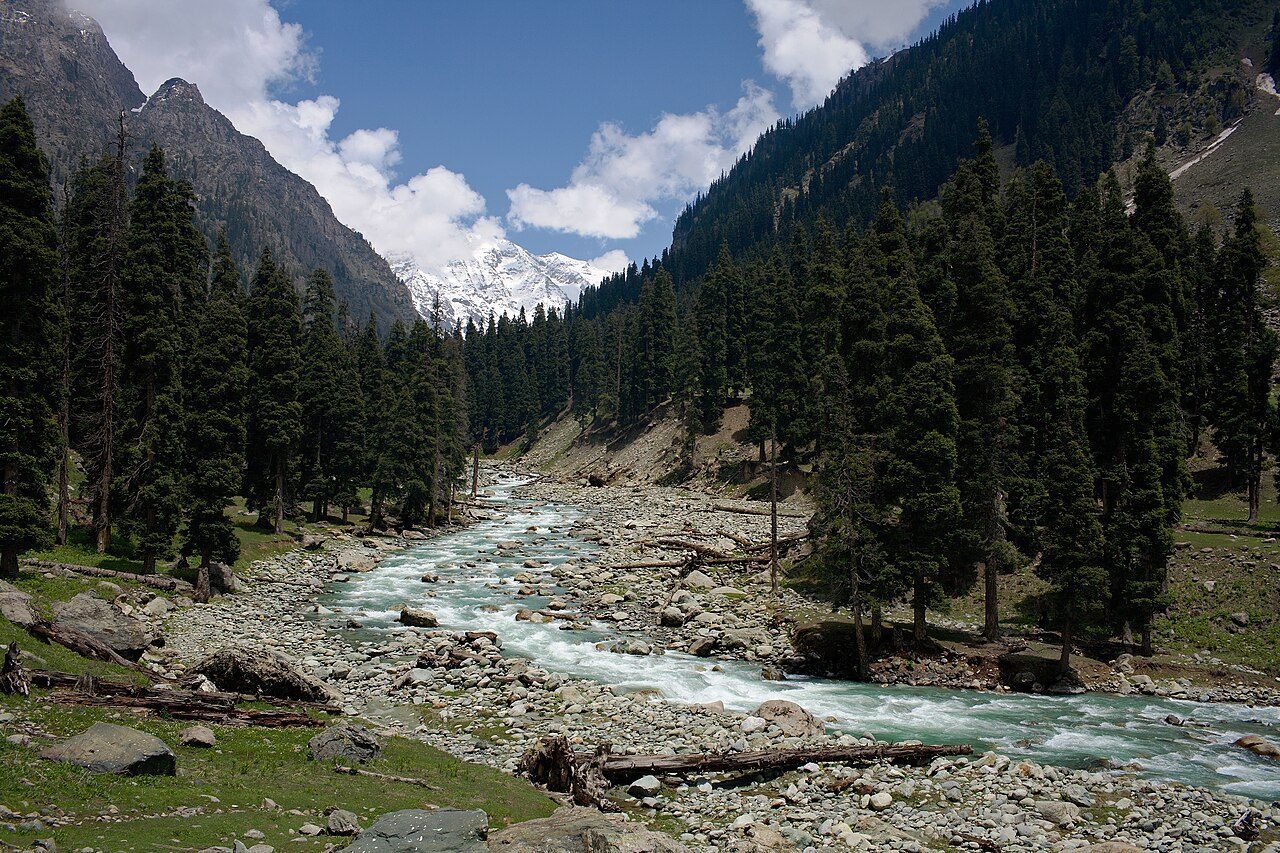
Pristine snowmelt streams originating from glaciers, tumbling through pebble beds lined with river willows. The lifeblood of the Hangul stag and Eurasian river otter.

  • Key Species: Hangul Stag, River Otter, Brown Trout, Kingfisher
  • Rivers: Lidder, Dagwan, Sind, Jhelum
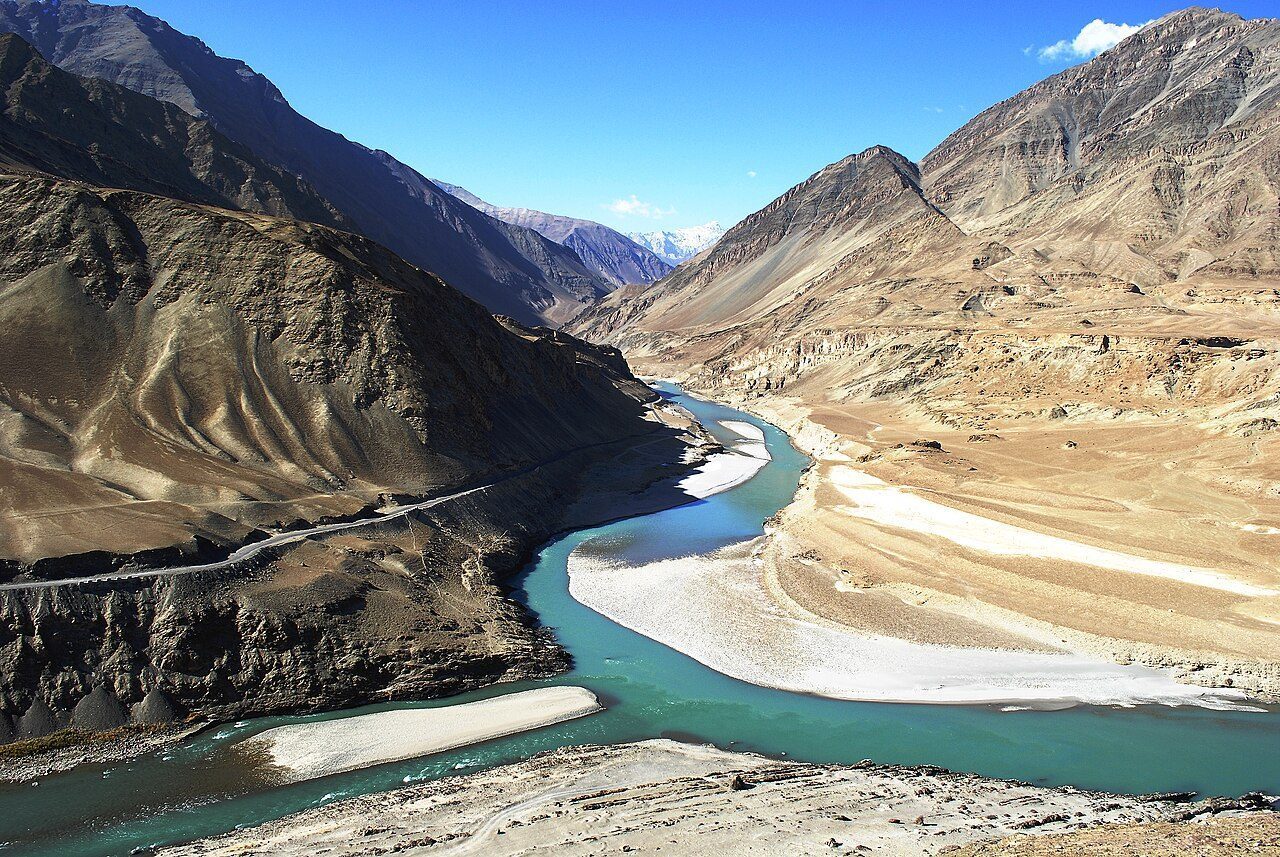
Changthang Cold Desert Plateau
HIGH TRANS-HIMALAYAS • COLD ARID BIOME

Changthang Cold Arid Steppe

Vast, windswept high-altitude plateau with saline and freshwater lakes. Endures extreme winter temperatures, providing refuge for Tibetan antelope, wild ass, and snow leopards.

  • Key Species: Chiru, Kiang, Tibetan Wolf, Black-Necked Crane
  • Features: Pangong Tso, Tso Moriri, Tso Kar Basin
Shivalik Subtropical Pine Scrub Habitat
SOUTHERN JAMMU FOOTHILLS • SUBTROPICAL

Shivalik Pine & Subtropical Scrub

Warm foothills dominated by chir pine (*Pinus roxburghii*), bamboo brakes, and broadleaf ravine forests. Home to barking deer, leopards, and sacred lake ecosystems.

  • Key Species: Common Leopard, Barking Deer, Softshell Turtle, Pangolin
  • Regions: Jammu, Kathua, Samba, Udhampur