
The Human Darbar Archive
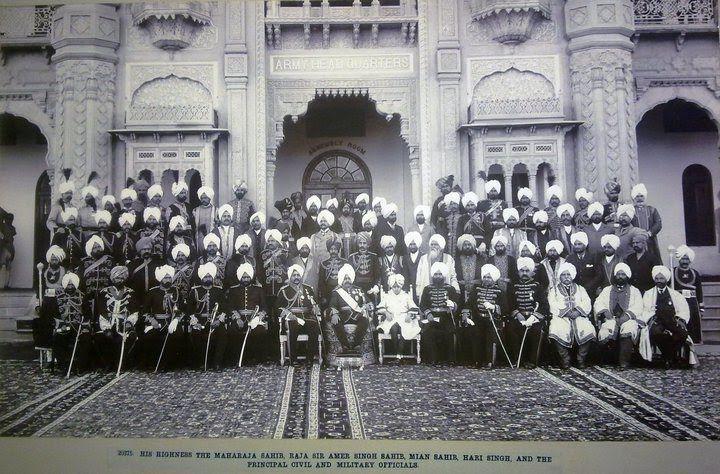
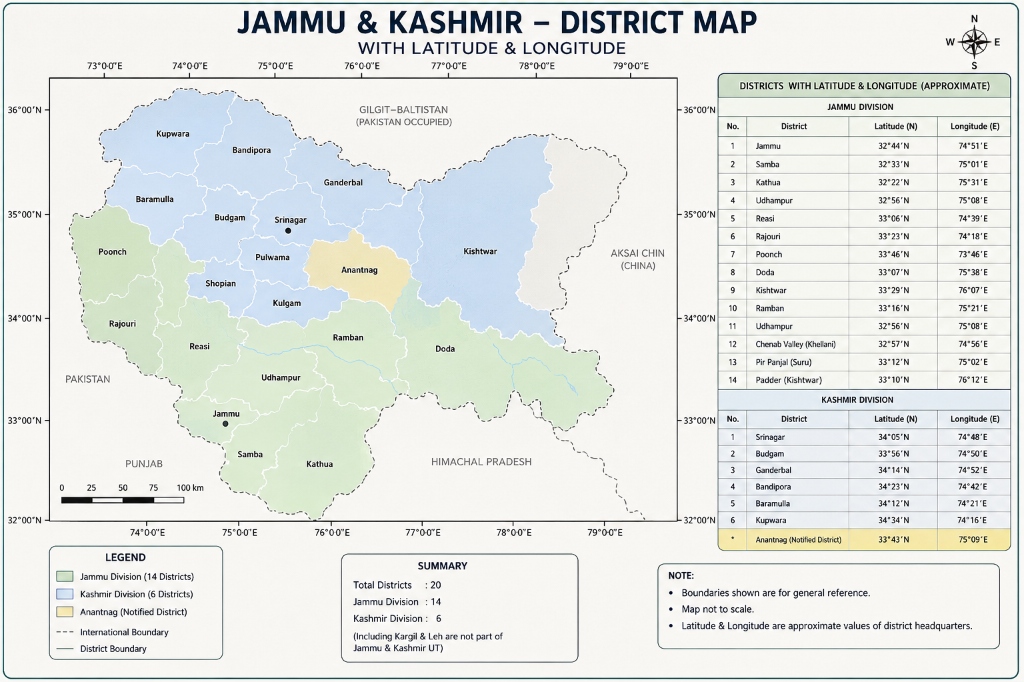
Jammu & Kashmir possesses an extraordinary tapestry of living oral history, indigenous agronomy, linguistic evolution, and artisanal guilds. Documented below are curated grassroots testimonies, archival recordings, and civic submissions bridging Kashmir, Jammu, and high Himalayan frontier valleys.
"The Autumn Truck Exchange" — Darbar Move Account
Darbar Move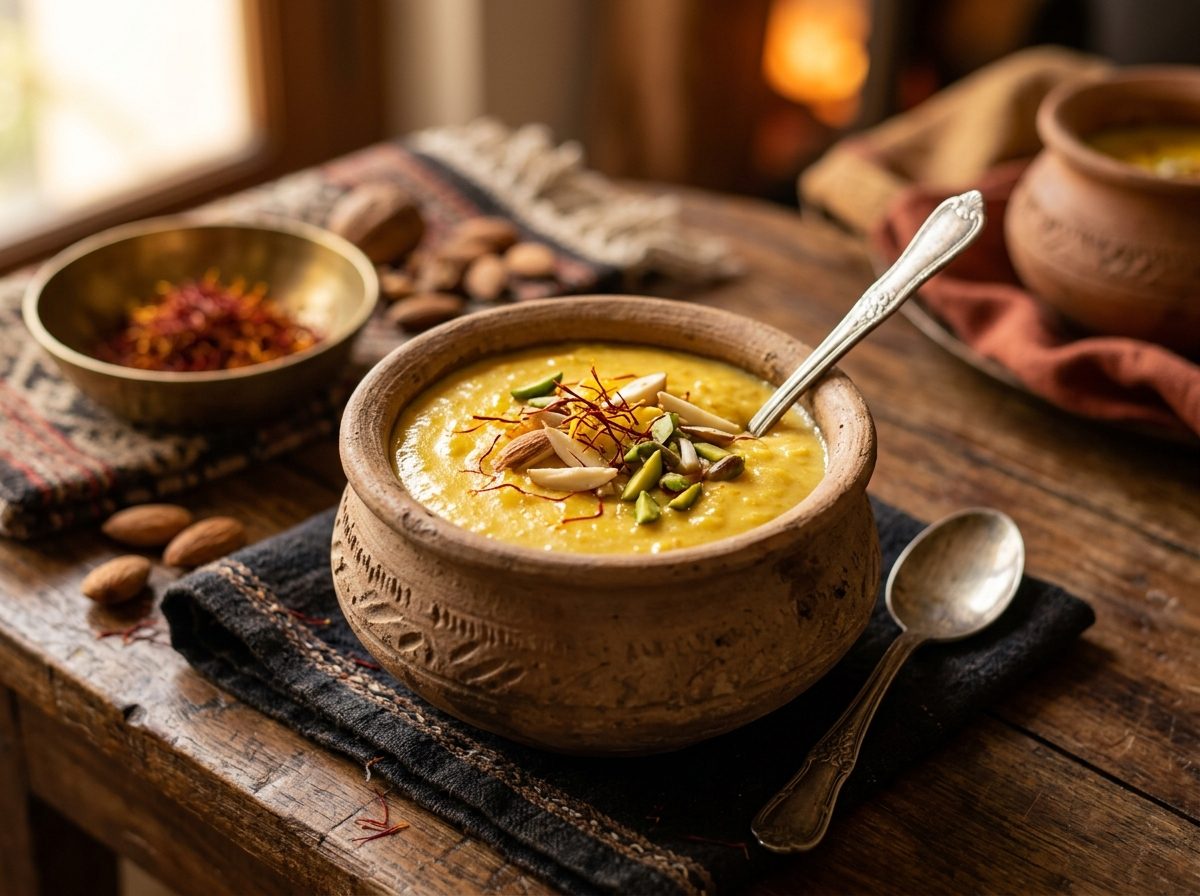
"Every October, as the secretariat moved down to Jammu, my father—who ran a dry fruit shop in Srinagar's Maharaja Bazaar—would coordinate with Jammu transport unions to ship almonds and walnuts. We shared tea and rooms for weeks. The trade built relationships that lasted generations, bridging Srinagar's winter freeze with Jammu's warm business season."
"Bhasha and Bolis: The Linguistic Bridge"
Darbar Move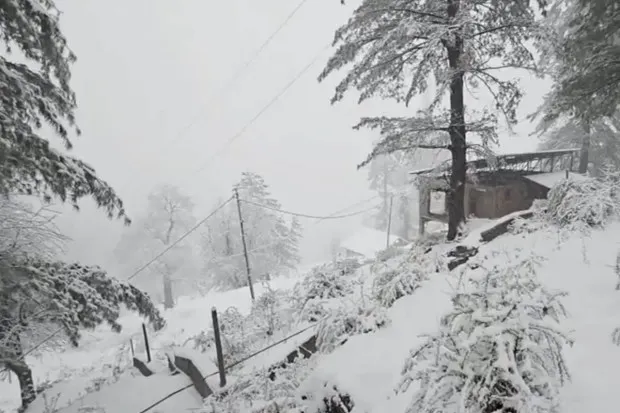
"Living in Jammu's Bhatindi during winters and shifting back to Srinagar in the spring taught our children both Dogri and Kashmiri. We learned each other's proverbs and celebrated Herath and Eid together. That shared culture was the true asset of the Darbar Move."
"The Dawn Stigmas of Pampore Karewas" — Agronomic Oral History
Saffron Heritage"Our lacustrine Karewa plateau has been farmed for saffron since the 15th-century reign of Sultan Zain-ul-Abidin (Budshah). When the mauve flowers unfurl in late October before sunrise touches the mist, the women of Pampore pluck the blossoms with delicate fingertips into wicker baskets, singing the poetic songs of Habba Khatoon: 'Chhi yeti zaefranas zev, me kyah gham chhum' (Here the saffron petals have tongues to speak, what sorrow can touch me?). Separating the red Mogra stigmas from the yellow style demands patience that no machine can replicate."
"The Birch-Bark Codices of Sharada Peeth" — Manuscript Archive
Manuscript Heritage"Before paper mills entered the valley, our scholars transcribed astronomical charts, the Nilamata Purana, and Sanskrit grammars on cured birch-bark leaves (bhurjapatra) with ink boiled from walnut rinds, lampblack, and gum arabic. Sharada was not merely an alphabet; it was a sacred script respected across Tibet, Mathura, and Central Asia. In Kishtwar and Martand, families still preserve 400-year-old horoscopes and land grants written in Sharada. Preserving this epigraphy preserves Kashmir's foundational literary identity."
"Transhumance across Pir Panjal" — Gujjar-Bakerwal Oral Memory
Nomadic Heritage"Every Baisakhi, as the summer heat rises in the Jammu plains and Rajouri, our kafilas begin the month-long ascent with thousands of sheep, goats, and horses over the snow corridors of Peer Ki Gali and Sinthan Pass. At the high alpine pastures (dhoks) above 11,000 feet, we set up stone kothas. Around evening hearths, the elders recite 'Bait' and 'Chhithi'—epic poetic accounts of ancestral crossings, glacial storms, and boundary treaties respected without boundary pillars. These songs are our maps."
"The Pinjrakari Lattice Masters of Bohri Kadal" — Guild Account
Craft Guilds"In the narrow alleys of Zaina Kadal and Bohri Kadal in Downtown Srinagar, true Pinjrakari masters never use iron nails or modern chemical adhesives. Thousands of millimeter-precise wooden slats cut from fir cedar (*deodar*) interlock solely through geometric tension and friction. These lattice screens filter harsh sunlight into cool geometric patterns and allow cross-ventilation while preserving domestic privacy. Wood is alive; it contracts during the harsh chill of Chillai Kalan and expands in the spring."
Contribute Your Oral History & Regional Memory
Submissions are stored securely in your browser's persistent research vault and reviewed by the Harshya Digital Archive editorial clearinghouse. Pseudonyms and aliases are fully accepted to safeguard contributor privacy.
Indigenous Land Terminology Glossary
J&K's land revenue administration relies heavily on Persian and Urdu terminology dating back to the Mughal and Dogra eras. Under post-2019 land reforms, understanding these legacy documents is essential for citizens protecting their property rights:
Khasra
Girdawari
Shamilat
Intikhab
Lal Dhara
Artisan Price Transparency Tracker
Kashmiri handicrafts command premium prices in luxury global markets. However, the weavers, spinners, and woodcarvers who possess this heritage often receive low wages. Use the tool below to analyze how the retail price of J&K crafts is distributed between local labor and commercial intermediaries.
Craft Value Distribution Calculator
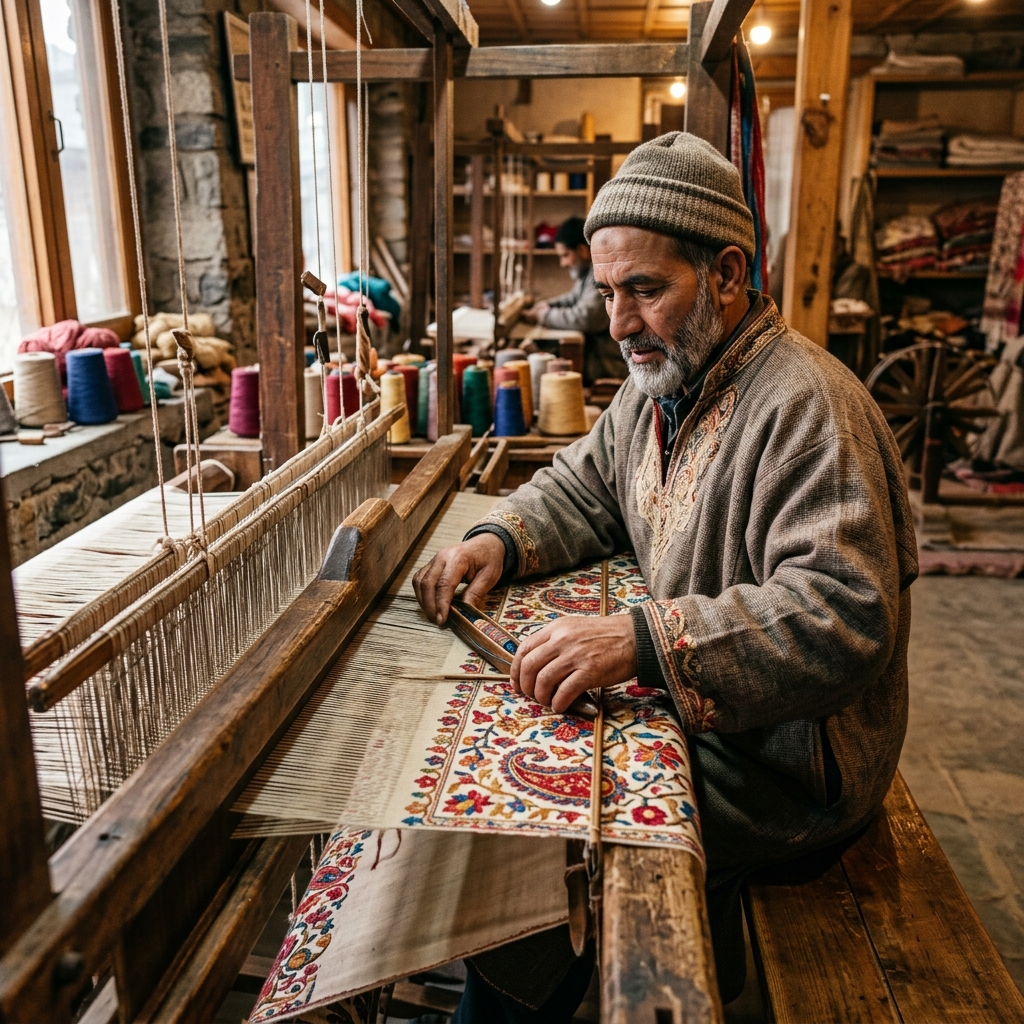
Anthropological Insight: Weavers and spinners are often paid piecemeal wages, earning an average of ₹150–₹250 per day for highly skilled labor, while luxury export brands capture the majority of the profit.